Farhan Pambudi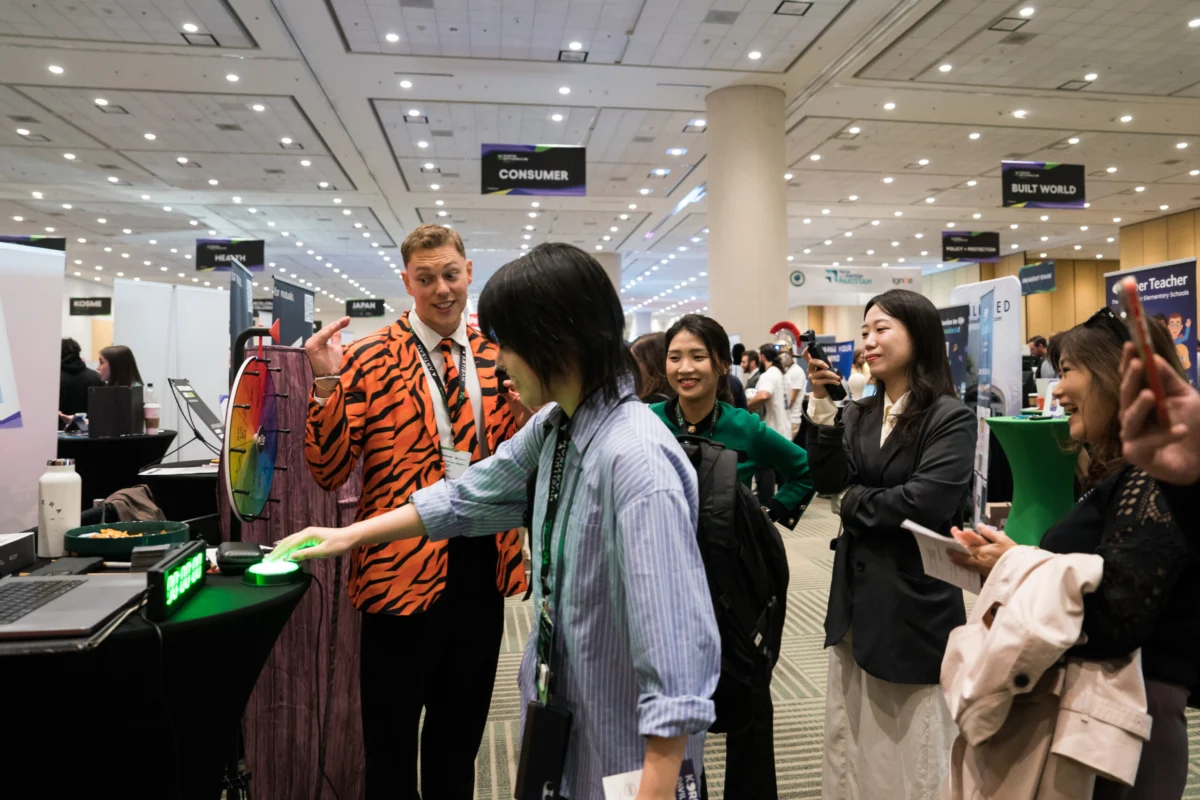
The window of opportunity for emerging technology companies to secure a dedicated presence at one of the world’s most influential startup conferences is rapidly drawing to a close. TechCrunch Disrupt 2026, the premier event for the global startup ecosystem, has announced that all exhibit table bookings will officially cease this Friday, October 2, at 11:59 p.m. PT. This final extension serves as the last possible chance for founders and entrepreneurs to position their brands within the Expo Hall, which functions as the physical and strategic epicenter of the three-day summit. For those who missed the initial registration deadlines, this late-stage availability represents a critical opportunity to gain direct access to a concentrated pool of capital, talent, and media attention.
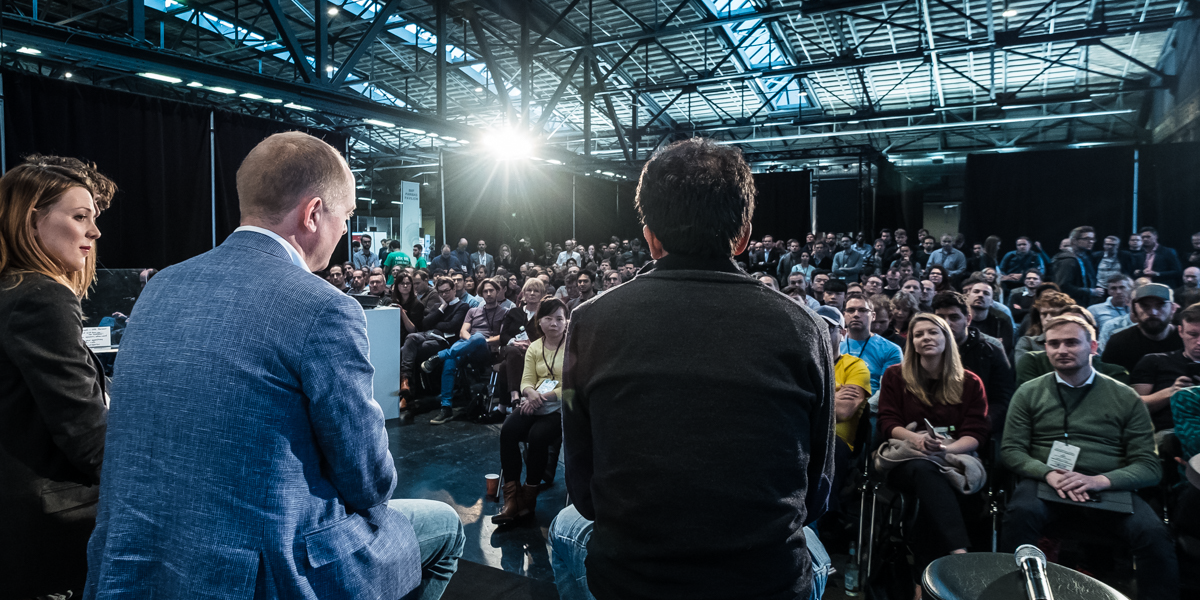
Scheduled to take place from October 13 to October 15 at Moscone West in San Francisco, TechCrunch Disrupt 2026 is expected to draw a crowd of over 10,000 attendees. This demographic is composed of high-level founders, venture capital investors, seasoned operators, and corporate tech leaders. The event serves as a primary scouting ground for those seeking the next generation of technological breakthroughs, whether they are looking for startups to back, innovative products to integrate into existing workflows, or strategic partners for long-term collaboration. The Expo Hall is designed to facilitate these interactions, providing a high-traffic environment where product demonstrations can lead directly to term sheets or enterprise contracts.
The Strategic Value of the Expo Hall Floor
Securing an exhibit table at TechCrunch Disrupt is more than a logistical arrangement; it is a strategic move designed to elevate a startup’s market profile. The Expo Hall provides a three-day window for companies to engage in face-to-face interactions with the very people who can move their business forward. In an era where digital marketing can often become saturated and impersonal, the physical presence of a demo table allows for real-time feedback and the building of rapport that is difficult to replicate through virtual channels.
The comprehensive exhibit package offered by TechCrunch is tailored to maximize visibility and lead generation. Each booking includes a 6-foot by 30-inch branded table that serves as a base of operations for the duration of the event. To ensure that participating companies have the necessary manpower to handle high traffic, the package includes 10 team passes. This allows for a robust rotation of staff, ensuring that the booth is never unattended during peak hours. Furthermore, exhibitors gain access to sophisticated lead-generation tools, website and app branding, and a coveted press list. The inclusion of Silver Tier sponsor branding further enhances the perceived authority of the startup, signaling to the 10,000+ attendees that the company is a serious contender in its respective niche.

One of the most valuable components of the exhibitor experience is access to the Deal Flow Café. Recognizing that the main floor can be high-energy and loud, the organizers have designated this quieter space specifically for investor-founder meetings. This facilitates more focused, high-stakes conversations where deal terms can be discussed and relationships can be solidified away from the general bustle of the Expo Hall.
A Chronology of TechCrunch Disrupt and Its Influence
To understand the weight of this Friday’s deadline, one must look at the historical trajectory of TechCrunch Disrupt. Since its inception, the conference has been a kingmaker in the technology industry. It evolved from the original TechCrunch50, a joint venture between TechCrunch and Jason Calacanis, into a global brand known for launching some of the most successful companies in modern history.
Previous participants and "Startup Battlefield" competitors include household names such as Dropbox, Mint, and Fitbit. These companies utilized the Disrupt platform to secure their initial funding and capture the attention of the tech press at a pivotal moment in their growth cycles. For the 2026 edition, the "Startup Battlefield 200" remains the centerpiece of the event. This curated group of 200 startups represents the top tier of applicants, all of whom are vying for the Disrupt Cup and a significant equity-free cash prize. Even for those not in the Battlefield competition, having an exhibit table allows a startup to exist in the same orbit as these elite companies, benefiting from the heavy foot traffic generated by the competition.
The timeline for the 2026 event follows a rigorous schedule. After the October 2 deadline for exhibit tables, the focus shifts to the logistical execution of the summit. On October 13, Moscone West will open its doors for the first day of sessions, featuring keynote speeches from over 250 top-tier tech leaders. Across six industry-specific stages, the agenda will cover more than 200 sessions, ranging from AI and robotics to fintech and sustainability.
Supporting Data and the San Francisco Advantage
The decision to host Disrupt 2026 at Moscone West is a calculated move that leverages San Francisco’s status as the undisputed capital of venture capital. Despite the rise of remote work and secondary tech hubs, the San Francisco Bay Area continues to command a disproportionate share of global startup funding. According to recent venture capital reports, the region consistently accounts for nearly 40% of all venture investment in the United States. By placing the Expo Hall in the heart of this ecosystem, TechCrunch ensures that exhibitors are within walking distance of the world’s most powerful investment firms.

Data from previous Disrupt events indicates that the networking opportunities are highly productive. AI-powered matchmaking tools, which will be available again in 2026, have historically increased the number of "relevant connections" made per attendee. These tools analyze the profiles of founders and investors to suggest meetings, ensuring that time spent on the floor is optimized for maximum ROI. For exhibitors, this means that a significant portion of the traffic coming to their table has been pre-qualified by the event’s algorithm as a potential match for their product or service.
Broader Industry Implications and Analysis
The final call for exhibitors comes at a time when the technology sector is undergoing a period of rapid transformation. The 2026 summit is expected to be dominated by advancements in generative AI, decentralized infrastructure, and green technologies. For startups in these fields, the Expo Hall serves as a barometer for market sentiment. Being present on the floor allows founders to gauge competitor progress and observe firsthand what investors are prioritizing in a post-2025 economic landscape.
Market analysts suggest that events like TechCrunch Disrupt are becoming increasingly important as the "bar" for Series A and Series B funding rounds continues to rise. Investors are looking for more than just a pitch deck; they are looking for tangible proof of concept and market traction. The ability to demo a product live on the Expo Hall floor provides that proof. It allows an investor to see the user interface, ask technical questions on the spot, and observe how the public interacts with the technology. This "stress test" of a startup’s value proposition is a key reason why exhibit tables are in such high demand.
Official Responses and Organizational Outlook
While the TechCrunch events team maintains a strictly professional stance on the logistics of the deadline, the messaging from organizers emphasizes the "now or never" nature of the October 2 cutoff. In communications directed toward the founder community, organizers have highlighted that exhibit tables are allocated on a first-come, first-served basis. Once the floor plan is finalized following the Friday deadline, no further additions will be made, regardless of the company’s profile or funding status.
This strict adherence to the deadline is necessary to manage the complex logistics of an event that spans the massive Moscone West complex. The "on-site branding" benefit, which was tied to an earlier September 30 soft deadline, has already transitioned, making the October 2 date the final hard stop for any physical presence.

Conclusion for Stakeholders
For startups looking to define their trajectory for 2027 and beyond, the next few days are critical. The transition from a "stealth mode" startup to a recognized market player often requires a public debut of the magnitude that only TechCrunch Disrupt can provide. With over 10,000 potential partners, investors, and clients set to descend on San Francisco in mid-October, the absence of a dedicated exhibit space can be a significant disadvantage, especially when competitors are likely to be present.
The opportunity to join the ranks of past Disrupt success stories is contingent upon meeting the October 2, 11:59 p.m. PT deadline. As the tech world looks toward Moscone West, the startups that secure their spots this week will be the ones positioned at the center of the conversations shaping the future of the global economy. Whether a company is looking to close its next round of funding or find its first enterprise customer, the Expo Hall floor remains the most direct path to achieving those milestones in the heart of the startup ecosystem.