Gilang Muhammad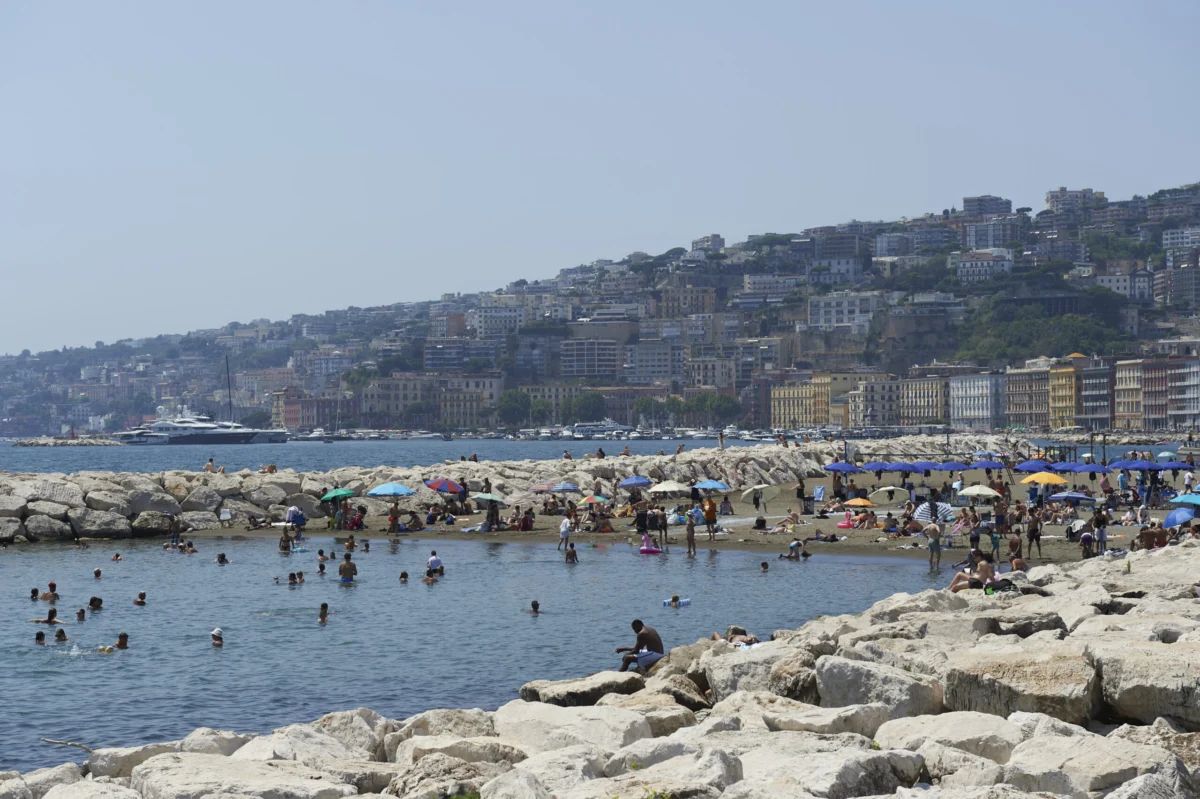
The Eurozone is grappling with a significant resurgence of inflationary pressures, as headline inflation climbed sharply to 3.3% in August, driven predominantly by soaring energy costs exacerbated by the ongoing Iran war and its reverberations across global oil and natural gas markets. This upward trajectory, marking the highest level since September 2024, places immense pressure on the European Central Bank (ECB) to continue its aggressive monetary tightening cycle, despite mounting concerns over a potential economic slowdown. Businesses, already contending with a complex operational landscape, now face the dual challenge of elevated input costs and an impending increase in borrowing expenses, threatening investment and growth prospects across the 20-nation bloc.
The Resurgence of Inflationary Pressures
According to a flash estimate published by statistics office Eurostat on Tuesday, the annual inflation rate in the euro area, a net importer of energy, surged to 3.3% in August from 2.9% in July. This figure significantly overshoots the ECB’s medium-term target of 2%, underscoring the persistent challenge of price stability. The primary driver behind this acceleration was energy inflation, which saw a stark increase to 14.3% in August from 10.3% in the preceding month. This spike in energy prices, reflecting geopolitical instability and supply disruptions, permeated various sectors of the economy, pushing up costs for production, transportation, and consumption.
While headline inflation painted a grim picture, core inflation, a measure closely watched by central bankers as it excludes the volatile components of energy, food, alcohol, and tobacco, offered a faint glimmer of moderation. Core inflation dipped slightly to 2.4% from 2.5%. This minor easing in core inflation suggests that underlying demand-driven price pressures might be stabilizing marginally, but it was largely overshadowed by the dramatic surge in energy costs. Analysts fear that the energy shock could seep into broader price dynamics, potentially igniting a wage-price spiral if not contained swiftly.
Financial markets reacted immediately to the Eurostat data, solidifying expectations for another interest rate hike by the European Central Bank. Traders locked in their forecasts for the ECB’s upcoming Governing Council meeting on September 10, with market pricing on Tuesday morning indicating a 98.9% probability of a 25 basis point increase. Such a move would raise the ECB’s key refinancing rate to 2.5%, marking a substantial tightening of monetary policy in a relatively short period and underscoring the central bank’s unwavering commitment to bringing inflation back to target.
Geopolitical Undercurrents: The Iran War and Energy Shock
The primary catalyst for the escalating energy price pressures is the ongoing conflict involving Iran and its profound impact on global crude oil and refined product markets. The conflict, which intensified in early 2026, has led to significant disruptions in shipping through the Strait of Hormuz. This critical maritime chokepoint, through which approximately 20% of the world’s total petroleum liquids consumption and a substantial portion of global liquefied natural gas (LNG) supplies passes, is vital for global energy security. Any threat or actual blockage of this waterway sends immediate shockwaves through international energy markets, triggering speculative buying and pushing prices skyward.
Since the escalation of hostilities, benchmark crude oil prices, such as Brent crude, have surged dramatically, surpassing the $120 per barrel mark by August 2026, a level not seen consistently since the early 2020s energy crises. This substantial increase in crude oil prices directly translates into higher costs for gasoline, diesel, and other petroleum-derived products, impacting consumers and businesses alike. The Eurozone, being a net importer of energy, is particularly vulnerable to such external shocks, with its manufacturing sectors, transportation networks, and heating systems heavily dependent on imported fossil fuels.
Compounding the oil market turmoil, Europe has also been especially impacted by renewed disruption in the natural gas market. While the continent had made significant strides in diversifying its gas supplies following the 2022-2023 energy crisis, predominantly by increasing LNG imports and reducing reliance on pipeline gas from Russia, the geopolitical environment remains fragile. The Iran conflict, by diverting shipping capacity, increasing insurance costs for maritime transport, and creating general market uncertainty, has put renewed upward pressure on natural gas prices. The Dutch TTF (Title Transfer Facility) natural gas benchmark, a key European price indicator, has seen corresponding spikes, challenging the continent’s efforts to rebuild its strategic gas reserves ahead of the crucial winter months. The intertwining of crude oil and natural gas markets means that disruptions in one often spill over into the other, creating a broad-based energy price shock.
A Chronology of Economic Headwinds
The current inflationary episode in the Eurozone is not an isolated event but rather the latest chapter in a series of economic challenges. Following the initial recovery from the COVID-19 pandemic, the global economy experienced a surge in demand coupled with persistent supply chain bottlenecks, leading to an initial wave of inflation in 2021 and 2022. This was further exacerbated by the 2022 energy crisis triggered by geopolitical events in Eastern Europe, pushing Eurozone inflation to unprecedented highs, peaking at over 10% in late 2022 before gradually moderating through 2023 and early 2024.
The ECB responded to these initial inflationary pressures with a series of aggressive interest rate hikes that commenced in mid-2022. By the end of 2023, the key rate had reached 2.25%. As global supply chains began to normalize and energy prices eased from their peaks in early 2024, inflation showed signs of cooling, leading to a period of cautious optimism. However, this respite proved temporary.
The geopolitical landscape shifted dramatically in late 2025 and early 2026 with the onset and rapid escalation of the Iran conflict. This new geopolitical flashpoint immediately reintroduced significant upward pressure on energy prices. By March 2026, crude oil prices had begun a steady climb, and by April, the initial effects on Eurozone inflation were becoming evident, with headline figures ticking up. The ECB, recognizing the renewed threat to price stability, responded by raising its key rate to 2.25% in June 2026, its first hike since 2023, explicitly citing global inflationary pressures stemming from the Iran conflict as the primary justification.
The summer of 2026 further complicated the economic picture. While not directly linked to the energy price surge, an intense African heatwave swept across Southern Europe in August, with cities like Naples experiencing extreme temperatures. This heatwave, a stark reminder of ongoing climate change, added another layer of complexity by potentially increasing energy demand for cooling, impacting agricultural yields, and highlighting broader environmental challenges that can indirectly contribute to economic instability and price pressures. Against this backdrop of geopolitical conflict, energy shocks, and climate-related events, the August 2026 inflation figures emerged, confirming a renewed and formidable challenge for the Eurozone economy.
The European Central Bank’s Tightrope Walk
The European Central Bank finds itself in an unenviable position, balancing its primary mandate of price stability against the growing risks of an economic downturn. Its target of 2% inflation remains distant, and the persistence of elevated energy prices threatens to entrench inflation expectations. The Governing Council, led by President Christine Lagarde, has consistently reiterated its commitment to using all available tools to bring inflation back to target "in a timely manner."
The dilemma facing the ECB is profound, as articulated by Joe Nellis, head of economic research at MHA: "The ECB faces a dilemma: a trade-off between higher interest rates and economic cost. Higher borrowing costs will continue to squeeze heavily indebted households, weaken housing markets and make investment more expensive for businesses." This sentiment reflects a broad consensus among economists and policymakers that continued rate hikes, while necessary to combat inflation, carry significant risks to economic growth.
The market’s near-certainty of a 25 basis point hike on September 10 reflects the ECB’s consistent hawkish rhetoric and the gravity of the latest inflation data. While a 25 basis point move might seem incremental, it signals the central bank’s resolve to continue tightening monetary conditions until there is clear evidence of a sustained return of inflation to target. The ECB will be particularly wary that short-term inflation pressures do not become structural, feeding into wages and services inflation. Wage growth in the Eurozone has shown signs of picking up in recent quarters, and should workers demand higher wages to compensate for the erosion of their purchasing power, businesses may pass these increased labor costs on to consumers through higher prices, creating a self-perpetuating inflationary cycle. The ECB’s challenge is to cool aggregate demand sufficiently to break this potential cycle without inadvertently triggering a deep recession.
Economic Fallout: Households, Businesses, and Growth Prospects
The sustained period of high inflation, compounded by rising interest rates, is inflicting significant economic pain across the Eurozone. Heavily indebted households, particularly those with variable-rate mortgages, are feeling the squeeze of higher borrowing costs, eroding disposable income and forcing cutbacks on discretionary spending. Real wages have struggled to keep pace with inflation, leading to a decline in purchasing power for many European consumers. This combination of factors is dampening consumer confidence and retail sales, which are crucial drivers of economic activity.
The corporate sector, especially small and medium-sized enterprises (SMEs), faces a "second blow." Initially, businesses grappled with surging energy and raw material costs, which compressed profit margins. Now, higher interest rates mean that financing new investments, managing working capital, and refinancing existing debt become considerably more expensive. As Joe Nellis noted, "For SMEs in particular, another increase in financing costs could mean investment plans being indefinitely postponed or abandoned altogether." Given that SMEs constitute the backbone of the European economy, employing a large share of the workforce and contributing significantly to innovation and growth, any substantial curtailment of their investment activities could have widespread repercussions for job creation and long-term productivity.
The tightening of monetary policy is also directly impacting housing markets across the Eurozone. Higher mortgage rates reduce affordability, cooling demand and leading to a deceleration, or even decline, in house price growth in many previously booming markets. This weakening can have wealth effects on households, making them feel less secure financially and further curbing consumption.
The cumulative effect of these pressures is a significant downgrade in economic growth forecasts for the Eurozone. Fears of a technical recession – two consecutive quarters of negative growth – are now becoming increasingly prevalent among analysts. While the Eurozone managed to avoid a deep recession in 2023 despite the energy crisis, the current combination of persistent inflation, aggressive rate hikes, and geopolitical instability presents a formidable challenge to maintaining positive growth. Preliminary Purchasing Managers’ Index (PMI) data for August and September indicate a contraction in manufacturing activity and a noticeable slowdown in the services sector, reinforcing the darkening outlook.
Beyond the Numbers: Broader Implications and Outlook
The current economic landscape extends beyond mere statistics, carrying significant political and social ramifications. Sustained high inflation and the erosion of living standards can fuel public discontent, placing immense pressure on national governments to implement mitigating fiscal measures. While such measures might offer temporary relief, they risk conflicting with the ECB’s efforts to curb inflation by injecting more demand into the economy. The delicate balance between monetary tightening and targeted fiscal support will be a key policy challenge in the coming months.
The long-term challenge of energy security for the Eurozone has also been brought into sharp relief by the Iran conflict. Despite efforts to diversify energy sources and accelerate the transition to renewables, the region’s continued vulnerability to geopolitical shocks in fossil fuel markets remains a critical strategic concern. The imperative to invest further in renewable energy infrastructure, energy efficiency, and strategic energy reserves has never been more evident.
Ultimately, the interconnectedness of geopolitical stability, climate change, and economic health defines the current era. The Euro