Ena Muazin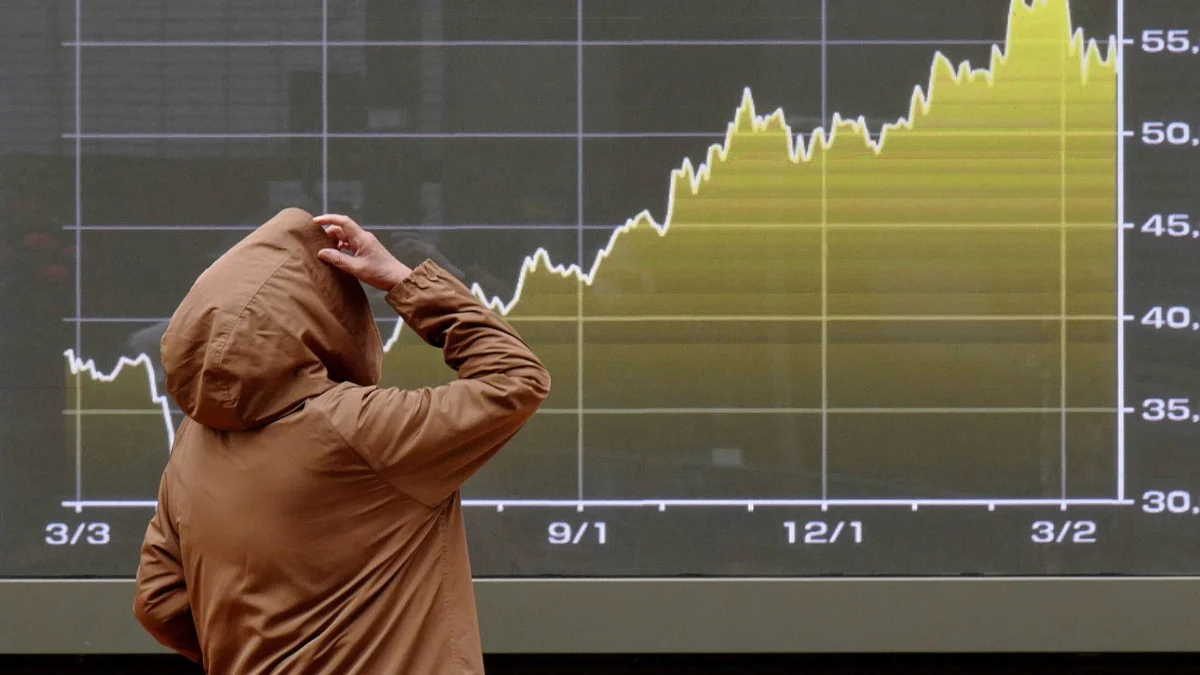
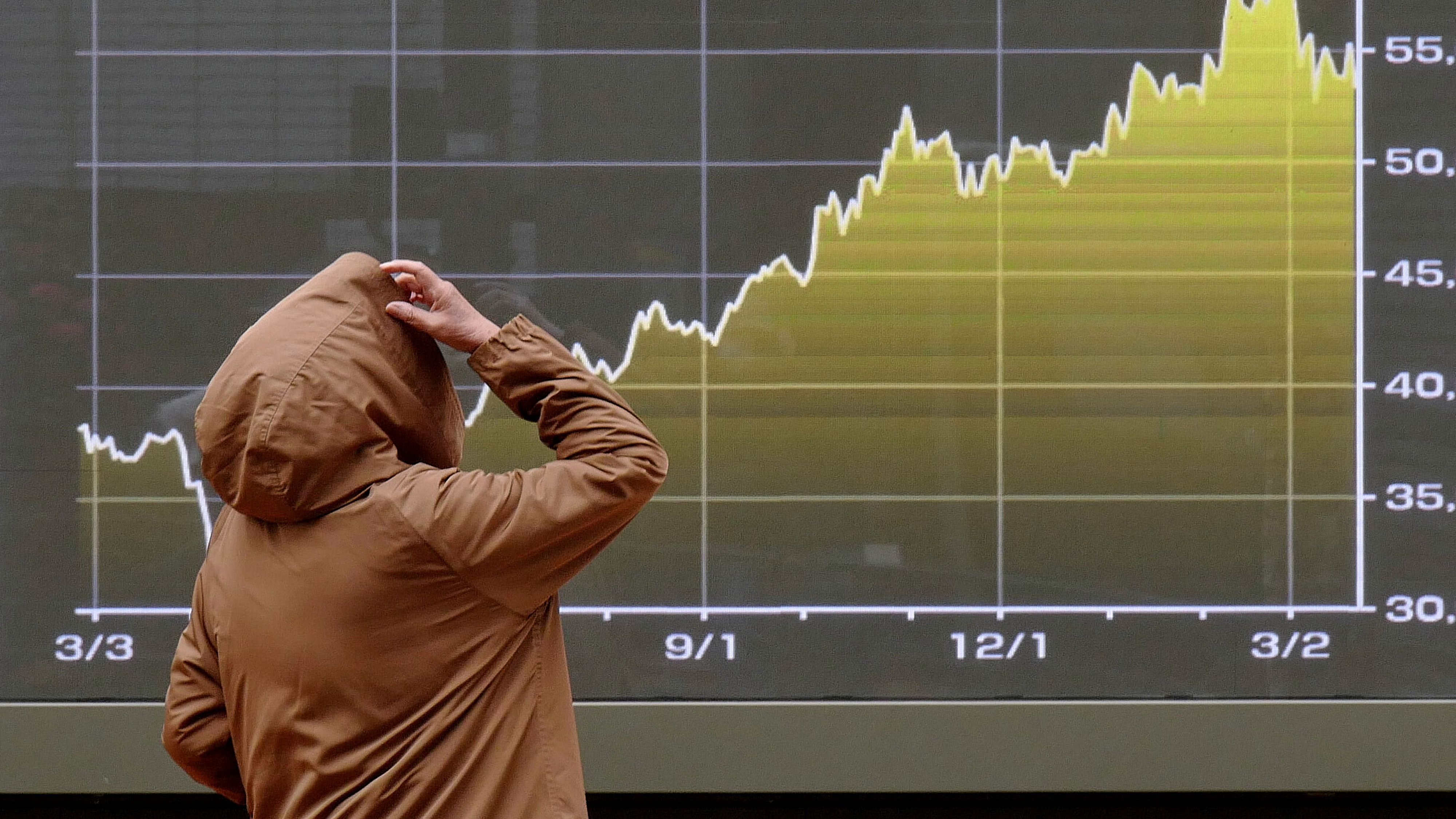
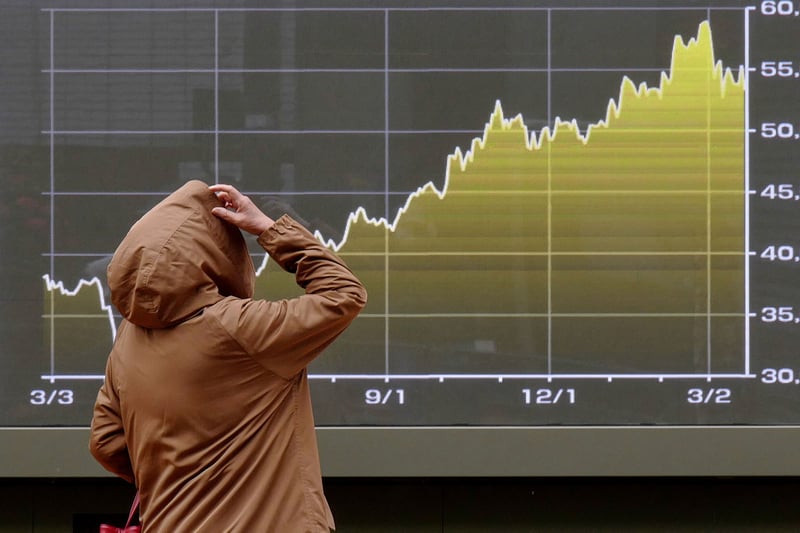
Tokyo – The specter of heightened tensions between the United States and Iran has sent ripples of unease across global financial markets, with Asian stock exchanges experiencing significant downturns. The Nikkei 225 in Japan plummeted by over five percent at one point, and the Kospi in South Korea also saw substantial losses, as investors reacted nervously to the escalating geopolitical climate. Concurrently, U.S. Treasury yields surged to an eight-month high, signaling a flight to safety and a growing expectation of inflation or increased government borrowing.
The immediate catalyst for this market jitters appears to be a series of escalating threats between Washington and Tehran, coupled with the ongoing conflict in Israel, which is raising concerns about a prolonged and wider regional war. The potential for further disruption in a critical global energy supply region has invariably spooked investors, who are now reassessing their risk exposure.
The Brewing Storm: A Chronology of Rising Tensions
While the exact timeline of recent provocations is complex and often involves veiled rhetoric and strategic posturing, the underlying current of animosity between the U.S. and Iran has been a persistent feature of Middle Eastern geopolitics for decades. However, recent events have seemingly amplified this friction. The specific nature of the "new threats" mentioned in initial reports remains somewhat opaque, but in the context of U.S.-Iran relations, these often revolve around issues such as:
- Nuclear Program Concerns: The ongoing international scrutiny of Iran’s nuclear program, and the U.S. stance on its potential weaponization, is a perennial source of tension. Any perceived advancement by Iran or perceived threat from the U.S. can trigger significant reactions.
- Regional Proxy Conflicts: Both nations are deeply involved in various regional conflicts, often supporting opposing sides. This includes involvement in Syria, Yemen, and Iraq, where proxy battles can easily escalate into direct confrontations or heightened threats.
- Maritime Security in the Persian Gulf: The Strait of Hormuz, a vital chokepoint for global oil trade, is a constant flashpoint. Incidents involving naval vessels or threats to shipping can rapidly destabilize the region and impact global markets.
- Sanctions and Economic Warfare: The U.S. has historically employed extensive sanctions against Iran to curb its economic and political influence. Iran’s responses can include retaliatory measures or threats that impact its own economy and its trading partners.
The mention of "weeks of fighting in Israel" underscores the broader regional instability. The protracted nature of the conflict in Gaza, and its potential to draw in other regional actors, is a significant contributing factor to the current market anxiety.
Market Tremors Across Asia
The impact on Asian markets has been swift and pronounced. The Nikkei 225, Japan’s benchmark stock index, experienced a sharp sell-off. While specific figures fluctuate, the initial reports indicated a decline of over five percent, a substantial move for a major developed market index. This downturn reflects a broader investor sentiment of risk aversion, leading to the unloading of equities in favor of safer assets.

Similarly, the Kospi Composite Index in South Korea also registered significant losses. South Korea, being a major exporter and heavily reliant on global trade, is particularly sensitive to geopolitical instability that could disrupt supply chains or impact global demand.
Other Asian markets, though not explicitly detailed in the initial report, are widely understood to have experienced similar pressures. Markets in Hong Kong, Singapore, and Taiwan, which are deeply integrated into global financial networks, would have likely followed suit, reflecting a continent-wide response to the escalating geopolitical uncertainties.
The U.S. Bond Market Reacts
In contrast to the equity markets, the U.S. Treasury market has seen a surge in demand for its bonds, pushing yields higher. The fact that yields are reaching an eight-month high indicates a significant shift in investor expectations. Typically, a surge in bond yields can be attributed to a few key factors:
- Inflation Expectations: Investors may be anticipating that geopolitical instability, particularly if it disrupts oil supplies, could lead to higher inflation. In response, they demand higher yields to compensate for the erosion of their purchasing power.
- Increased Government Borrowing: In times of heightened geopolitical tension or economic uncertainty, governments may increase their borrowing to fund defense spending or economic stimulus measures. A larger supply of bonds can lead to lower prices and higher yields.
- Flight to Safety within Fixed Income: While yields are rising, the underlying demand for U.S. Treasuries as a safe haven asset remains strong. However, the complexity of the market means that rising yields can also reflect a recalibration of risk premiums and expectations for future interest rate policy.
Broader Implications and Expert Concerns
The market reaction underscores a growing unease about the potential for a wider conflict in the Middle East. Such an escalation could have far-reaching consequences, including:

- Disruption of Global Energy Supplies: The Middle East is a critical hub for oil and gas production. Any significant disruption to these supplies could lead to sharp increases in energy prices, impacting industries and consumers worldwide. This would likely fuel inflation and slow global economic growth.
- Impact on Global Trade: Increased geopolitical risk can lead to disruptions in shipping routes, increased insurance costs for maritime trade, and a general slowdown in international commerce.
- Increased Defense Spending: A prolonged period of heightened tension often leads to increased defense budgets for nations concerned about their security. This can divert resources from other areas of public spending and economic investment.
- Currency Volatility: Geopolitical uncertainty can lead to significant fluctuations in currency exchange rates as investors seek perceived safe havens.
The reported concern from German Defense Minister Boris Pistorius during his visit to Japan highlights the international dimension of this anxiety. His statement, expressing uncertainty and a sense of powerlessness regarding the situation, reflects the complex and often unpredictable nature of international diplomacy and conflict. The minister’s candid admission, "What should I say to that? I don’t know. And we can’t do anything about it," underscores the challenging environment faced by policymakers in navigating such volatile geopolitical landscapes.
The Volatility Index: A Measure of Fear
The surge in the Nikkei Average Volatility Index (VI) to levels significantly above 50 points, a recognized threshold for investor anxiety, further corroborates the market’s apprehension. This index, which measures the expected volatility of the Nikkei 225, acts as a barometer of investor sentiment. A reading above 20 is generally considered to indicate a "fear" level, and the current levels suggest a significant increase in perceived risk. This indicates that investors are bracing for potentially large price swings in the Japanese stock market, a sentiment likely echoed across other major financial centers.

Looking Ahead: Uncertainty and Risk Management
As the geopolitical situation continues to evolve, investors and policymakers face a period of heightened uncertainty. The interconnectedness of global markets means that developments in the Middle East will likely continue to cast a shadow over financial performances worldwide. Risk management strategies, diversification, and a close monitoring of geopolitical developments will be crucial for navigating this complex environment. The coming days and weeks will be critical in determining whether the current market jitters are a temporary reaction to escalating rhetoric or the precursor to a more sustained period of global economic and political instability.