Ella Zulfa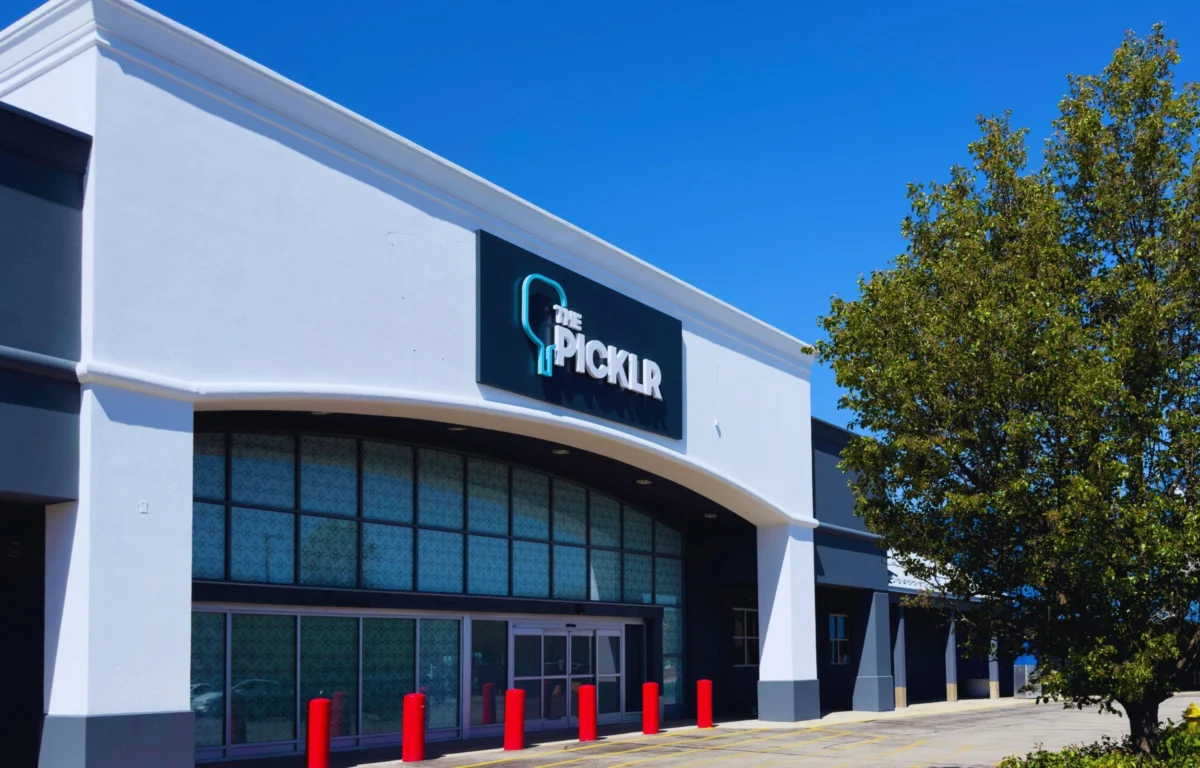
The booming pickleball industry, characterized by its explosive popularity and the emergence of numerous businesses catering to the sport, has experienced a significant setback with the Chapter 11 bankruptcy filing of The Picklr, one of its most rapidly expanding franchisors. The company submitted its filing with the U.S. Bankruptcy Court for the Northern District of Texas, a move confirmed by Sports Business Journal. This development casts a shadow over the seemingly unassailable growth trajectory of pickleball-related ventures and highlights the financial complexities that can accompany swift expansion.
The Genesis of a Financial Challenge
At the heart of this financial distress is founder and CEO Jorge Barragan, who has publicly accepted responsibility for the company’s current predicament. Barragan cited an aggressive expansion strategy, particularly the company’s agreement to guarantee lease payments for approximately 40 of its early franchise locations, as the primary catalyst for the bankruptcy. "We signed, unfortunately, too many corporate guarantees that landed on the holding company, and that’s on us," Barragan stated in his remarks to Sports Business Journal. "I own it." This candid admission points to a potential overextension of financial commitments that ultimately proved unsustainable.
The Picklr’s ambitious growth, while impressive on the surface, appears to have outpaced its financial stability. Founded in 2021, the company began franchising its indoor pickleball facilities just two years later. Its rapid ascent has resulted in a network of over 70 U.S. locations, with an international presence extending to Australia, Canada, and Japan. This rapid scaling, however, came with a significant financial cost. For the fiscal year 2025, The Picklr reported a net loss of $4.4 million against revenues of $10.3 million. As of March, the company’s total liabilities were estimated to be around $19 million, according to Sports Business Journal. These figures suggest a company that was prioritizing market penetration and brand establishment over immediate profitability, a strategy that, while common in startups, carries inherent risks.
A Timeline of Expansion and Financial Strain
The journey of The Picklr from its inception to its current financial challenge can be traced through a series of strategic decisions and market responses.
- 2021: The Picklr is founded, marking the initial entry into the burgeoning pickleball market. The company’s vision likely focused on providing dedicated indoor facilities to meet the growing demand for the sport, which offers a more controlled and year-round playing environment compared to outdoor courts.
- 2023: The company embarks on its franchising model. This decision signaled a strategic shift towards rapid expansion, leveraging the capital and entrepreneurial drive of franchisees to scale the business model across diverse geographic markets. This period likely saw significant investment in marketing, franchise development, and operational support.
- Late 2023 – Early 2024: Aggressive lease guarantee commitments are made for a substantial number of early franchise locations. This period represents a critical juncture where the company’s financial obligations began to escalate significantly. The decision to provide corporate guarantees for leases, while potentially attractive to franchisees and landlords, placed a direct financial burden on the holding company.
- 2025 Fiscal Year: The company reports a net loss of $4.4 million on $10.3 million in revenue. This financial performance indicates that the cost of rapid expansion, including operational expenses, marketing, and lease commitments, was outweighing the revenue generated.
- March [Year]: Total liabilities are reported at approximately $19 million. This figure underscores the depth of the financial challenges faced by The Picklr, highlighting the accumulated debt and financial obligations.
- Recent Filing: The Picklr files for Chapter 11 bankruptcy protection. This legal maneuver allows the company to reorganize its debts and operations while continuing to operate, offering a potential pathway to financial recovery.
Financial Underpinnings and Investor Confidence
The Chapter 11 filing, while serious, is not necessarily an end to The Picklr. The company has secured a commitment for $4.5 million in financing from an investor group led by Tom Neale, a franchisee of The Picklr. This financing, which is contingent upon court approval, is crucial for sustaining operations during the reorganization process. Sports Business Journal has reported this figure to be $4.8 million, indicating a substantial influx of capital aimed at stabilizing the company’s financial position.
The involvement of a franchisee like Tom Neale in leading the investor group is noteworthy. It suggests a belief in the underlying business model and the long-term potential of The Picklr, despite the current financial headwinds. Franchisees represent a critical stakeholder group, and their willingness to invest further in the company can be interpreted as a vote of confidence in its ability to navigate this challenging period.
Operational Continuity Amidst Restructuring
Despite the bankruptcy filing, The Picklr assures its customers and franchisees that its clubs will remain open. Jorge Barragan has stated that the bankruptcy filing will not directly lead to the closure of any locations. However, he anticipates some level of downsizing as the company undergoes restructuring. This approach aims to minimize disruption to the customer experience and to preserve the value of the franchise network.
The success of this restructuring will heavily depend on the company’s ability to renegotiate leases, streamline operations, and potentially divest underperforming assets or locations. The infusion of new capital will be instrumental in covering immediate operational costs, debt servicing, and potential severance packages or other restructuring-related expenses.
The Broader Implications for the Pickleball Industry
The financial struggles of The Picklr, a prominent franchisor in a booming industry, serve as a cautionary tale for other businesses operating within the pickleball ecosystem. While the sport’s popularity continues to soar, with participation rates and spectator interest reaching unprecedented levels, the rapid commercialization of the sport presents its own set of challenges.
- Rapid Growth and Financial Sustainability: The case of The Picklr highlights the potential disconnect between rapid market penetration and sound financial management. Businesses that prioritize aggressive expansion without a robust financial framework or a clear path to profitability risk overextending themselves.
- Franchise Models and Corporate Guarantees: The reliance on corporate guarantees for franchise leases, as seen with The Picklr, can create significant financial exposure for the franchisor. This strategy, while potentially beneficial for attracting franchisees, necessitates a thorough understanding and management of long-term financial liabilities.
- Market Saturation and Competition: As the pickleball market matures, increased competition may emerge, putting pressure on pricing and profitability. Businesses will need to differentiate themselves through superior service, unique offerings, and efficient operations to thrive.
- Investor Scrutiny: The financial performance of companies in the pickleball sector will likely face increased scrutiny from investors. Demonstrating a clear path to profitability and sustainable growth will be crucial for attracting and retaining capital.
The pickleball industry has seen a surge in investment, with venture capital firms and private equity groups actively seeking opportunities. The Picklr’s situation may prompt a more cautious approach from some investors, emphasizing due diligence and a deeper understanding of the operational and financial risks associated with rapidly scaling businesses in emerging markets.
Expert Analysis and Potential Outcomes
Industry analysts suggest that The Picklr’s Chapter 11 filing is a strategic move designed to provide breathing room for financial restructuring rather than an indication of complete failure. The key to a successful reorganization will lie in the company’s ability to demonstrate a viable business plan to the court and its creditors. This will likely involve a comprehensive review of its existing lease agreements, operational costs, and revenue streams.
Potential outcomes of the Chapter 11 process include:
- Reorganization and Continued Operations: The most favorable outcome would be for The Picklr to successfully emerge from bankruptcy as a financially healthier entity, continuing its operations and franchise development under a revised financial structure.
- Asset Sales or Divestitures: The company might need to sell off certain assets or unprofitable locations to reduce its debt burden and streamline its operations.
- Acquisition: In some cases, a company undergoing Chapter 11 might be acquired by another entity looking to enter or expand its presence in the pickleball market. The existing infrastructure and brand recognition of The Picklr could be attractive to a potential acquirer.
- Liquidation: While less likely given the ongoing operations and investor interest, a complete liquidation of assets remains a possibility if a viable reorganization plan cannot be achieved.
The coming months will be critical for The Picklr as it navigates the complex legal and financial landscape of bankruptcy. The commitment from its investor group provides a vital lifeline, but the long-term success of the company will depend on its ability to adapt its business model, manage its financial obligations effectively, and capitalize on the enduring popularity of pickleball. The industry as a whole will be watching closely, as the outcome of The Picklr’s restructuring could have significant implications for the future growth and financial stability of other businesses within this dynamic and rapidly evolving sports sector. The story of The Picklr serves as a potent reminder that even in the most exhilarating growth markets, sound financial discipline and strategic foresight are indispensable for sustained success.