Ena Muazin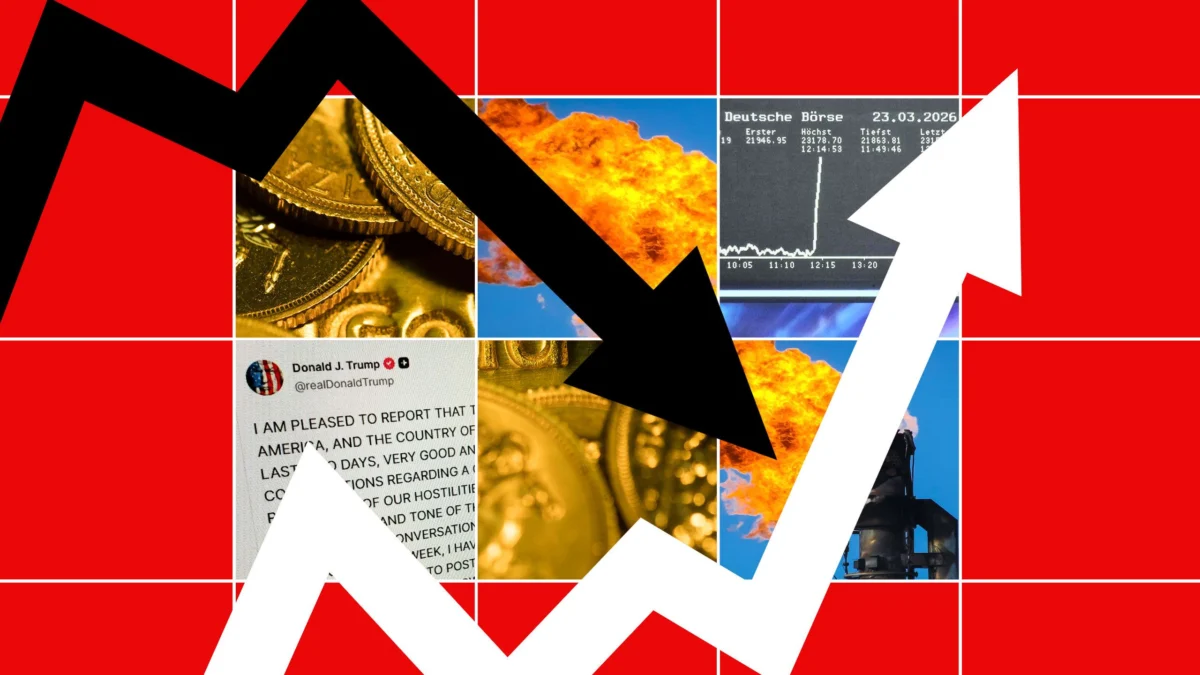
Former President Donald Trump announced on his social media platform, Truth Social, that the United States would be suspending all attacks on Iranian power plants and energy infrastructure for a period of five days. Trump stated that this decision followed "very good and productive talks concerning a complete and comprehensive settlement of our hostilities in the Middle East." However, the Iranian government has officially denied any ongoing negotiations with the United States, creating a significant divergence in narratives surrounding a potential de-escalation in regional tensions.
Background of Escalating Tensions
The pronouncement by former President Trump comes at a time of heightened geopolitical instability in the Middle East, with a series of actions and counteractions between the United States, Iran, and various proxy groups in the region. These tensions have been simmering for years, exacerbated by the Trump administration’s withdrawal from the Joint Comprehensive Plan of Action (JCPOA) in 2018, reimposing stringent sanctions on Iran, and a subsequent increase in rhetoric and military posturing.
The period leading up to Trump’s announcement has seen a significant uptick in incidents attributed to Iranian-backed militias targeting US interests and allies. These have included drone and missile attacks on military bases in Iraq and Syria housing US personnel, as well as naval incidents in the Persian Gulf. In response, the United States has conducted retaliatory strikes against these groups and their assets, often emphasizing the need to deter further aggression and protect American service members.
The specific mention of "attacks on Iranian power plants and energy infrastructure" by Trump suggests a potential shift in US strategy or at least a communication of a pause in specific types of operations. Historically, while the US has targeted facilities linked to military or paramilitary activities of Iran and its proxies, directly striking civilian energy infrastructure would represent a significant escalation with potentially severe humanitarian and economic consequences. The ambiguity surrounding what constitutes an "attack" on such infrastructure and the nature of the "talks" remains a critical point of contention.
Chronology of the Announcement and Reactions
Midday Announcement on Truth Social:
On a recent day, around noon, former President Donald Trump took to his social media platform, Truth Social, to share a significant development. He posted a message stating, "The USA will be suspending all attacks on the Iranian power plants and energy infrastructure for five days."
Claims of "Very Good and Productive Talks":
In the same post, Trump elaborated on the basis for this suspension, asserting that it was preceded by "very good and productive talks concerning a complete and comprehensive settlement of our hostilities in the Middle East." This statement implied a level of diplomatic engagement that, if accurate, would have been conducted discreetly given the prevailing adversarial climate.
Iranian Denial of Negotiations:
Shortly after Trump’s announcement, reports emerged indicating that Iran’s government had officially denied any such negotiations. This direct contradiction from Tehran immediately cast doubt on the veracity of Trump’s claims and raised questions about the channels and nature of any communication that might have occurred.
Lack of Official US Government Confirmation:
Crucially, the current US administration, which would be responsible for executing any directive regarding military operations, did not immediately confirm or deny Trump’s statement. This silence from official White House or Pentagon sources further complicated the situation, leaving the public and international observers uncertain about the actual policy on the ground. The absence of an official stance from the incumbent administration could stem from various reasons, including a desire to avoid legitimizing a former president’s pronouncements on national security matters or a deliberate strategy of ambiguity.
Supporting Data and Contextual Information
Previous US Military Actions:
While specific details of US operations against Iranian energy infrastructure are often classified, historical patterns indicate that US military actions in the region have primarily targeted military installations, weapons depots, and facilities used by groups deemed hostile. The US has previously imposed sanctions aimed at crippling Iran’s oil and gas sector, but direct kinetic attacks on civilian power infrastructure have been less common and highly controversial. Data from the Stockholm International Peace Research Institute (SIPRI) or the Council on Foreign Relations’ "Middle East Tensions" tracking could provide context on the general level of US military engagement in the region over the past few years, though specific incidents related to energy infrastructure attacks might not be publicly cataloged in detail.
Economic Impact of Sanctions and Attacks:
Iran’s energy sector, particularly its oil and gas industry, is the backbone of its economy. Sanctions imposed by the US have significantly impacted Iran’s ability to export oil and attract foreign investment, leading to economic hardship and social unrest. If attacks were indeed occurring on power plants and energy infrastructure, the economic consequences would be severe, affecting not only Iran’s ability to generate electricity for its population but also its capacity for industrial production and overall economic stability. The World Bank and International Monetary Fund (IMF) reports on Iran’s economic performance could offer data on the pre-existing vulnerabilities of the Iranian economy.
Regional Power Dynamics:
The broader context involves complex regional power dynamics. Iran’s influence extends through various proxy groups in countries like Lebanon (Hezbollah), Syria, Iraq, and Yemen (Houthi rebels). These groups have often been involved in confrontations with Israel, Saudi Arabia, and the United States. Trump’s statement about "hostilities in the Middle East" likely refers to this intricate web of regional conflicts and the proxy warfare that characterizes them. Analysis from think tanks specializing in Middle East security, such as the Brookings Institution or the Carnegie Endowment for International Peace, often details these relationships and their impact on regional stability.
Official Responses and Interpretations
Trump’s Statement as a Political Move:
From a political standpoint, Trump’s announcement could be interpreted as an attempt to reassert his influence on foreign policy and project an image of a decisive leader capable of brokering peace, even from outside the official government. His platform, Truth Social, serves as a direct channel to his base, bypassing traditional media filters. His claims of successful "talks" might be aimed at bolstering his political standing and suggesting that his approach to foreign policy is more effective than that of the current administration.
Iranian Perspective:
Iran’s denial of negotiations is consistent with its general policy of maintaining strategic ambiguity and projecting an image of defiance against perceived US pressure. Denying direct talks could be a tactic to avoid appearing weak or negotiating under duress. It also serves to counter any narrative that suggests a capitulation to US demands. Iranian state media, such as the Islamic Republic News Agency (IRNA) or Press TV, would likely amplify this denial and frame Trump’s statement as a form of psychological warfare or misinformation.
US Administration’s Silence:
The current US administration’s silence is perhaps the most telling. It suggests that either Trump’s claims are inaccurate, or that any potential communication channels he might have leveraged are not officially recognized or sanctioned by the White House. The administration’s policy is typically to conduct foreign policy and military operations through established diplomatic and military channels. Any deviation from this would be carefully managed and communicated officially. Their silence could also be a strategic choice to avoid giving undue attention to Trump’s pronouncements or to allow for discreet verification of any potential backchannel communications.
Broader Impact and Implications
Impact on Regional Stability:
If Trump’s announcement of a suspension of attacks is genuine and reciprocated by a de-escalation from Iranian-backed groups, it could lead to a temporary reduction in regional tensions. However, the underlying issues and the deeply entrenched rivalries would remain unresolved. The continued denial of negotiations by Iran, coupled with the silence from the current US administration, creates an environment of uncertainty. This could lead to miscalculations and a renewed cycle of escalation if either side perceives the other as acting in bad faith or exploiting perceived weaknesses.
Credibility of Information and Diplomacy:
The discrepancy between Trump’s claims and Iran’s denial highlights the challenges of information warfare and the complexities of diplomacy in the digital age. It raises questions about the reliability of information disseminated through social media platforms and the potential for disinformation to influence public perception and policy. For international diplomacy to be effective, clear communication and verifiable actions are essential. The current situation underscores the difficulty of achieving such clarity when multiple actors with competing agendas are involved.
Future of US-Iran Relations:
The future of US-Iran relations remains a critical concern for global security. A genuine and verifiable de-escalation, even if initiated through unconventional channels, could pave the way for more formal diplomatic engagement and a potential return to negotiations on issues like the JCPOA or regional security. Conversely, continued ambiguity and mutual suspicion could further entrench hostility and increase the risk of direct confrontation. The actions and statements of key figures like Donald Trump, even when out of office, can have significant ramifications for international affairs, underscoring the need for careful analysis and official verification of such pronouncements. The long-term implications of this particular episode will likely depend on whether any concrete, verifiable de-escalation occurs on the ground, irrespective of the conflicting narratives.