Ena Muazin
The German stock market’s leading index, the DAX, concluded Monday’s trading session at 26,007 points, exhibiting a marginal change from its previous closing value. This near-static performance reflects a market grappling with a confluence of global uncertainties, including heightened geopolitical tensions in the Middle East and the looming prospect of interest rate increases in the autumn. The absence of trading on U.S. exchanges due to the Labor Day holiday further contributed to a subdued trading environment, limiting significant directional impulses for German equities.

Market Stagnation and Key Influencing Factors
The DAX’s resistance above the psychologically important 26,000-point threshold underscores a market caught between prevailing optimism regarding corporate earnings and investor caution stemming from external risks. While the immediate impact of regional election results in Saxony-Anhalt appeared negligible on broader market movements, the underlying sentiment was clearly shaped by larger macroeconomic and geopolitical forces.
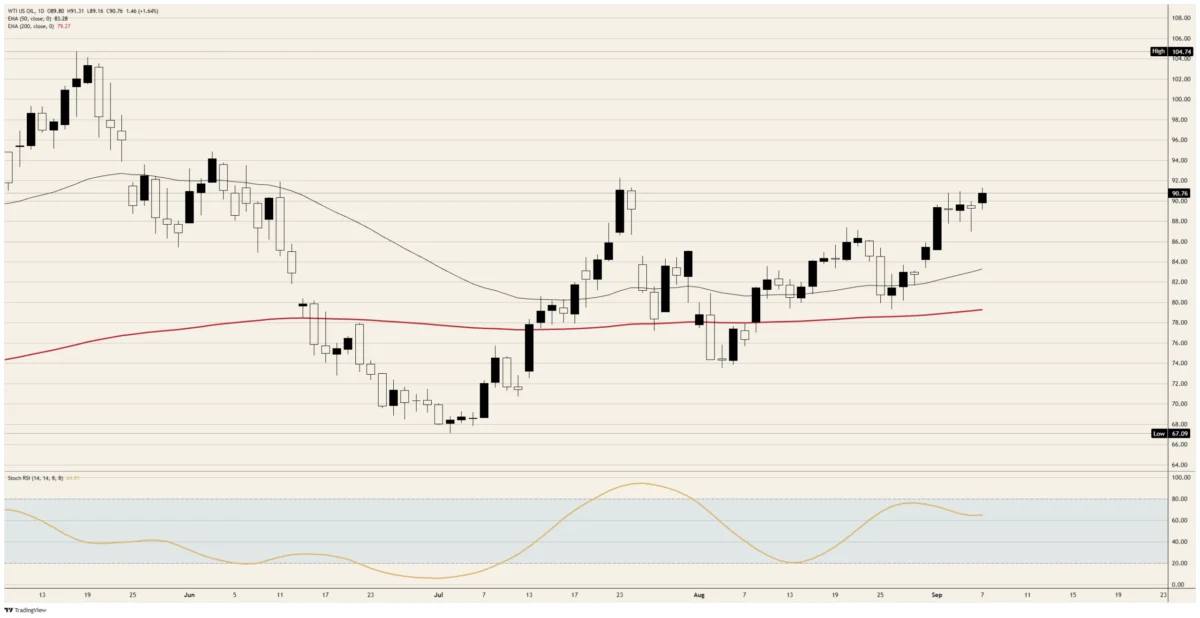
Geopolitical Flashpoints and Oil Price Volatility: The weekend’s renewed exchanges of attacks between the United States and Iran in the Strait of Hormuz have reignited concerns over the stability of oil supply routes. This escalation has predictably led to a renewed focus on elevated oil prices, with markets pricing in a higher probability of protracted disruptions to crude oil flows from the Middle East. Historically, significant geopolitical instability in this region has been a potent catalyst for volatility in global energy markets, with immediate spillover effects on inflation expectations and corporate operating costs across various sectors. The current situation, characterized by tit-for-tat actions, suggests a delicate balance that could easily tip towards further escalation, creating a persistent headwind for risk assets.
Anticipation of Interest Rate Hikes: The specter of rising interest rates in the autumn continues to cast a shadow over investor sentiment. Central banks worldwide, including the European Central Bank (ECB), are closely monitoring inflation data. Signs of persistent price pressures, coupled with robust economic activity in some regions, have fueled expectations that monetary policy may shift towards a more restrictive stance. Higher interest rates generally increase the cost of borrowing for businesses, potentially dampening investment and consumer spending. For equity markets, this translates to a higher discount rate for future earnings, making stocks less attractive compared to fixed-income investments. The anticipation of such a shift encourages a more risk-averse approach among investors, leading to a preference for defensive assets or a reduction in overall equity exposure.
Historical Context and Market Performance
The DAX’s performance on Monday followed a pattern of subdued movement observed on Friday, when the index closed at 26,046 points, also registering minimal change from the preceding trading day. This period of consolidation suggests that investors are in a holding pattern, awaiting clearer signals from central banks and a de-escalation of geopolitical conflicts before committing to significant new positions.
The current market environment can be contrasted with periods of more pronounced growth driven by strong economic fundamentals or dovish monetary policy. For instance, in late 2023 and early 2024, the DAX experienced a notable upward trend, buoyed by expectations of interest rate cuts and a resilient global economy. However, the evolving landscape of inflation, geopolitical risks, and the anticipation of monetary policy tightening have introduced a new set of challenges that are currently tempering market exuberance.
Timo Emden, Chief Market Analyst at CapTrader, commented on the delicate balance: "Even if investors have apparently been able to shake off the cocktail of geo- and monetary policy uncertainties for now, the situation is likely to remain fragile." This sentiment encapsulates the prevailing mood, where underlying economic strengths are being overshadowed by external pressures.

The Role of U.S. Market Closure
The closure of U.S. financial markets on Monday, observing Labor Day, invariably reduced trading volumes and liquidity in European markets. The United States remains the world’s largest economy, and its market movements often set the tone for global financial sentiment. The absence of U.S. trading meant that a significant source of fresh impulses and reactions to global news was temporarily removed, contributing to the lack of significant price discovery on Monday. This often leads to a "wait-and-see" approach from European traders, who may defer major decisions until the U.S. market reopens and provides its reaction to the latest developments.
Regional Election Results and Market Impact
The outcome of the state elections in Saxony-Anhalt, which took place over the weekend, had a limited discernible impact on the DAX’s performance. While the results might have implications for German domestic politics and coalition formations, their immediate effect on the broader stock market appears to have been overshadowed by the more significant global economic and geopolitical factors. In many instances, national indices are less sensitive to regional political developments unless these events signal a fundamental shift in economic policy or pose a direct threat to the stability of the federal government or its core economic agenda. The current political landscape in Germany, while subject to ongoing debates, has not presented such immediate systemic risks that would dramatically alter the outlook for major listed companies.

Emerging Threats and Potential Market Disruptions
The Strait of Hormuz and Energy Security: The renewed hostilities in the Strait of Hormuz represent a critical vulnerability in global energy supply chains. This narrow waterway is a vital chokepoint for a significant portion of the world’s oil and liquefied natural gas (LNG) shipments. Any sustained disruption or threat to passage through the strait could trigger a sharp and sustained increase in energy prices. Such a scenario would not only impact transportation and industrial costs but also feed directly into inflation, potentially forcing central banks into more aggressive rate-hiking cycles. The economic implications would extend across all sectors, from manufacturing and logistics to consumer discretionary spending. Businesses that are heavily reliant on energy inputs would face escalating operational costs, potentially squeezing profit margins and leading to a reassessment of investment plans.
Monetary Policy Tightening and Economic Outlook: The anticipated shift towards tighter monetary policy by major central banks, including the ECB, poses a significant challenge to economic growth. While intended to curb inflation, higher interest rates can also stifle investment, slow down hiring, and reduce consumer purchasing power. The timing and pace of these rate hikes will be crucial. If central banks move too aggressively, they risk triggering a recession. If they are too hesitant, inflation could become entrenched, requiring even more drastic measures later. For equity markets, this creates a complex environment where the potential for higher borrowing costs and slower economic growth needs to be weighed against the current resilience of corporate earnings and the potential for innovation and adaptation.

Investor Sentiment and Future Outlook
The prevailing sentiment among investors appears to be one of cautious optimism tempered by significant apprehension. While the German economy has demonstrated resilience in certain sectors, the accumulation of global risks creates an environment of heightened uncertainty. The ability of the DAX to maintain its position above the 26,000-point mark will depend on several factors:
- De-escalation of Geopolitical Conflicts: A peaceful resolution or significant de-escalation of tensions in the Middle East would alleviate immediate concerns regarding energy security and geopolitical instability, likely providing a boost to market sentiment.
- Central Bank Communication and Actions: Clear and consistent communication from central banks regarding their monetary policy intentions will be vital in managing market expectations. A measured approach to rate hikes, carefully calibrated to avoid triggering a sharp economic downturn, would be most beneficial.
- Corporate Earnings Performance: The continued strength of corporate earnings will be a key determinant of stock valuations. Companies that can demonstrate robust pricing power, efficient cost management, and adaptability to changing economic conditions will be better positioned to weather potential headwinds.
The coming weeks will be critical in shaping the trajectory of the DAX and broader equity markets. Investors will be closely scrutinizing economic data releases, geopolitical developments, and the pronouncements of central bankers for any signs that might indicate a clearer path forward or, conversely, signal a further intensification of existing challenges. The market’s ability to navigate this complex landscape will ultimately depend on its capacity to absorb and react to these multifaceted influences.