Ena Muazin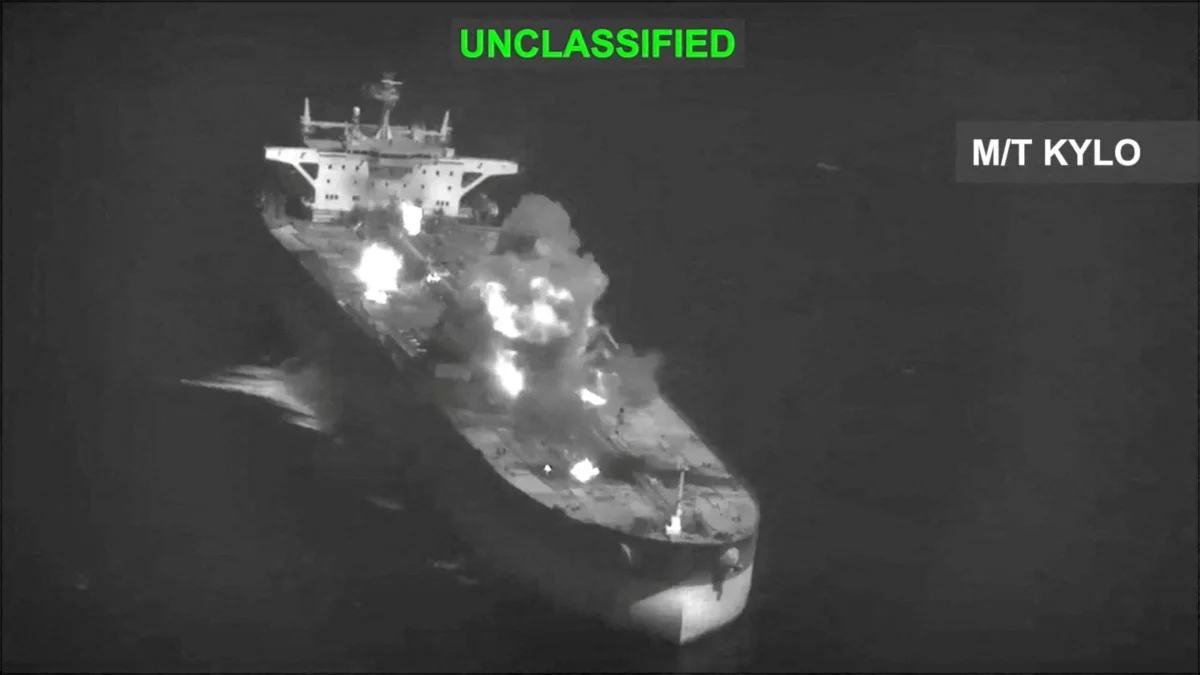
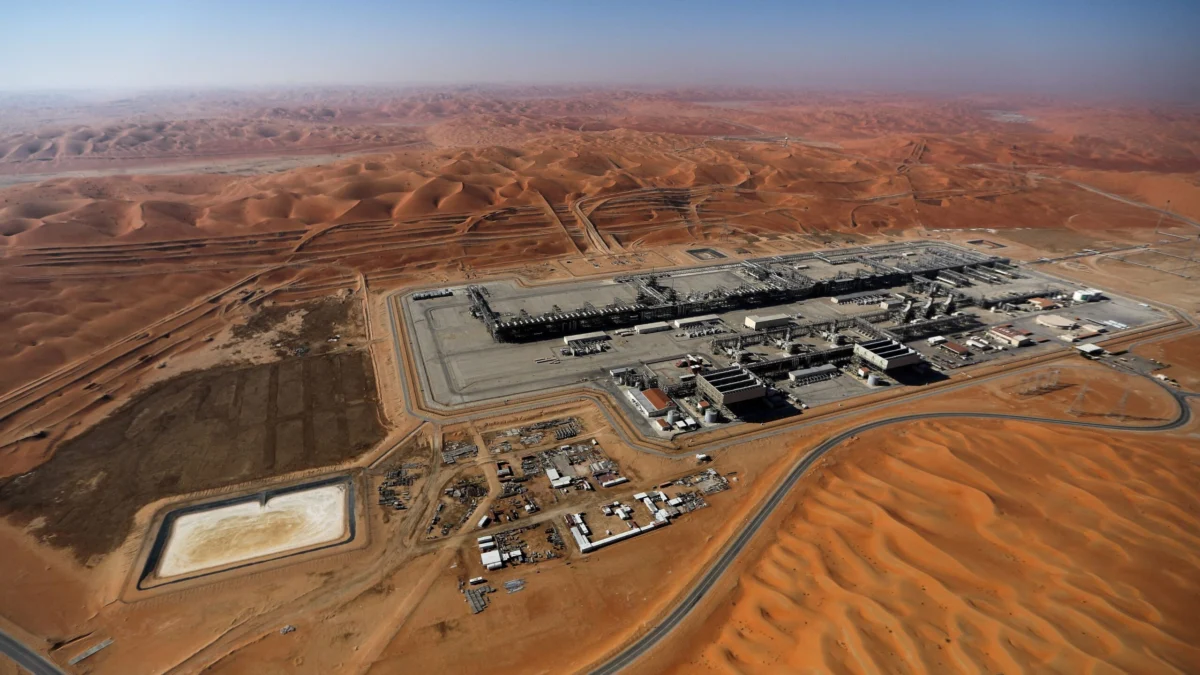
Despite escalating tensions and direct confrontations between the United States and Iran, the price of oil has remained surprisingly stable, hovering around 97 dollars per barrel. This stands in stark contrast to initial expert predictions of prices soaring to as high as 200 dollars per barrel following the outbreak of hostilities. While oil prices saw a significant jump of nearly eight percent in the week leading up to Monday, the market’s reaction to recent events, including the sinking of an Iranian oil tanker by the U.S. military and alleged Iranian attacks on a U.S. naval vessel, has been notably muted compared to earlier in the conflict. This article delves into the complex factors contributing to this unexpected market resilience and explores the broader implications for global energy markets and geopolitical stability.
The Initial Shock and Subsequent Stability
At the onset of the Iran-U.S. conflict in late February, the global oil market experienced a sharp and immediate reaction. Within days, the price of a barrel of oil surged from approximately 72 dollars to over 119 dollars. This rapid ascent led many analysts to forecast a potential reach of 200 dollars per barrel, a figure that would have had profound and far-reaching economic consequences worldwide. Such a price hike would have significantly increased energy costs for consumers and industries, potentially fueling inflation and dampening economic growth across numerous nations.

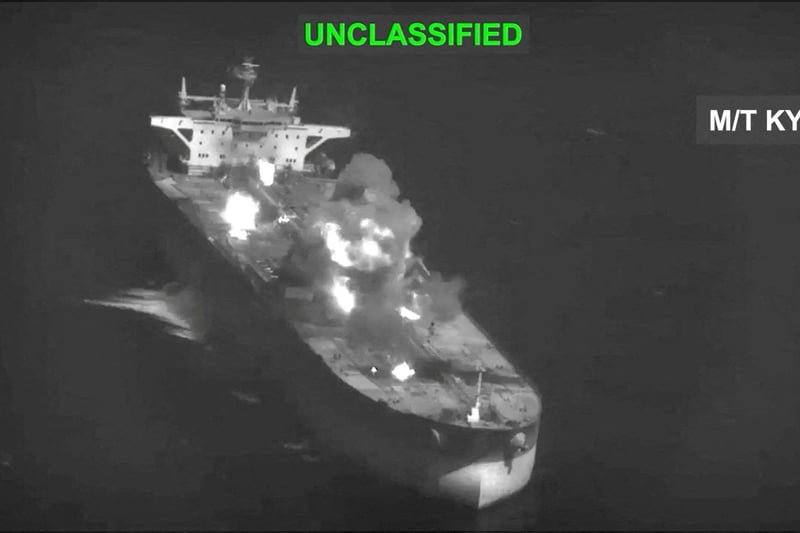
However, as the conflict has progressed, the oil market appears to have developed a degree of resilience, or perhaps even desensitization, to escalating hostilities. The recent sinking of the Iranian oil tanker "M/T Kylo" in the Gulf of Oman, reported by the U.S. military, and subsequent Iranian claims of an attack on a U.S. naval vessel (which the U.S. has denied) have not triggered the predicted price surge. This stability is particularly noteworthy given that oil exports from the Gulf region remain at approximately two-thirds of their pre-conflict levels, indicating that while supply has been impacted, it has not been critically disrupted to the extent initially feared.
Unpacking the Factors Behind Market Resilience
Several interconnected factors are likely contributing to the oil market’s ability to absorb geopolitical shocks without a dramatic price increase:
-
Strategic Petroleum Reserves: Major oil-consuming nations, particularly the United States, have significant Strategic Petroleum Reserves (SPR). These reserves act as a crucial buffer, allowing countries to mitigate the immediate impact of supply disruptions by releasing oil onto the market. The U.S., for instance, has historically utilized its SPR during times of perceived crisis to stabilize prices. While the extent of current SPR utilization in response to the Iran conflict is not explicitly detailed in the provided text, it is a common tool employed in such scenarios.
-
Diversified Supply Chains and Alternative Sources: The global oil market is not solely reliant on Iranian supply. A complex web of producers and alternative energy sources exists. While Iran is a significant oil producer, its market share, even at full capacity, is not so dominant as to unilaterally dictate global prices in the face of broad market dynamics. Other major producers, such as Saudi Arabia, Russia, and the United States itself (through its shale oil industry), can potentially increase production to offset any significant shortfalls. The market’s perception of the ability of these other producers to compensate for lost Iranian barrels plays a critical role.
-
Global Economic Slowdown and Demand Concerns: The current global economic climate is characterized by a degree of uncertainty and a potential slowdown in growth. This can lead to a tempering of oil demand. If economic activity is projected to decelerate, the overall demand for oil may not be as robust as it would be during periods of strong economic expansion. This reduced demand can act as a natural price ceiling, even in the face of supply-side pressures.
-
Market Speculation and Anticipation: Oil prices are heavily influenced by market sentiment and speculation. If traders and analysts anticipate that a conflict will lead to a severe and prolonged supply disruption, prices will rise accordingly. However, if the market begins to believe that the conflict will be contained, or that supply will be managed through other means, the speculative pressure on prices can dissipate. The market may have already priced in a certain level of risk associated with the Iran conflict, and new developments, while significant, may not represent a substantial enough change to warrant further dramatic price increases.
-
Sanctions and Their Effectiveness: While the conflict is ongoing, the impact of pre-existing sanctions on Iran’s oil exports must also be considered. Iran has been subject to various international sanctions for an extended period, which have already limited its ability to export oil. This means that any new disruptions caused by the current conflict might not represent a drastic reduction from an already constrained baseline for some buyers.
Timeline of Escalation and Market Reactions
The current situation is the culmination of a complex and often volatile relationship between the United States and Iran, with the oil market serving as a sensitive barometer of these geopolitical developments.
-
Pre-Conflict: Prior to the current escalation, oil prices were already subject to various global economic factors and existing geopolitical tensions in the Middle East. However, the specific drivers of the current price surge point to direct conflict as the primary catalyst.
-
Late February: Outbreak of Hostilities: The initial phase of direct military engagement between the U.S. and Iran triggered a sharp increase in oil prices, reflecting widespread fears of significant supply disruptions from a major oil-producing region. Expert predictions of prices reaching 200 dollars per barrel emerged during this period, underscoring the perceived severity of the situation.

-
March – Early April: Muted Response to Incidents: Despite ongoing skirmishes and the sinking of the "M/T Kylo" tanker, the market has shown a remarkable lack of dramatic price reaction. This period has been characterized by a more measured response, suggesting that the market has adjusted to a new baseline of risk.
-
Recent Weekends: Continued Confrontations: The reported sinking of the "M/T Kylo" and the Iranian claims regarding a U.S. naval vessel represent a continuation of direct military actions. The fact that these events did not lead to a significant oil price spike indicates a growing market stability or a reassessment of the potential impact on oil supply.
Official Responses and Geopolitical Considerations
While the provided text focuses on the market reaction, the actions of both the U.S. and Iran, along with the responses of other key global players, are crucial to understanding the broader context.

-
U.S. Stance: The U.S. military’s actions, such as the reported sinking of the Iranian oil tanker, are likely intended to deter Iranian aggression and protect maritime trade routes. The denial of Iranian claims regarding attacks on naval vessels suggests a strategic effort to control the narrative and avoid further escalation.
-
Iranian Actions: Iran’s alleged attacks and its role in the conflict are likely aimed at asserting its regional influence and potentially disrupting global oil supplies as a retaliatory measure. The sinking of its own tanker, if confirmed, could represent a tactical move or an unintended consequence of escalating conflict.
-
International Community: Major global powers, including European nations and Asian economies heavily reliant on oil imports, would be closely monitoring the situation. Their diplomatic efforts and potential interventions could play a significant role in de-escalating tensions and preventing a wider conflict that could severely impact energy markets. The silence of other major players in the provided text doesn’t negate their potential involvement behind the scenes.
Broader Impact and Implications

The current oil price stability, despite significant geopolitical friction, has several important implications:
-
Economic Stability: For global economies, this sustained price level, while still subject to fluctuations, is more manageable than a dramatic surge. It allows businesses and consumers to plan with greater certainty and helps to avoid the inflationary pressures that would accompany a severe oil shock.
-
Geopolitical Strategy: The market’s muted reaction might influence the strategic calculations of both the U.S. and Iran. If oil prices remain stable, it could embolden certain actors to continue with their current strategies, while others might be deterred from actions that could lead to a more severe economic fallout.
-
Energy Transition: While not directly addressed in the text, prolonged periods of relatively stable, albeit high, oil prices can sometimes accelerate interest in and investment in renewable energy sources and energy efficiency measures. However, significant price volatility, whether up or down, often serves as a more potent catalyst for such transitions.

-
Future Volatility: It is crucial to note that the current stability does not guarantee future price predictability. The situation in the Middle East remains highly volatile. Any unforeseen escalation, a significant disruption to major shipping lanes like the Strait of Hormuz, or a miscalculation by either side could rapidly alter market dynamics and lead to a swift price increase. The market’s current resilience is a snapshot in time, and the underlying geopolitical risks remain substantial.
In conclusion, the oil market’s response to the escalating conflict between the United States and Iran has defied initial expert predictions. While recent events have certainly contributed to a notable price increase, the surge has not reached the catastrophic levels initially feared. A combination of strategic reserves, diversified supply, demand considerations, and market speculation appears to be creating a buffer against extreme price volatility. However, the inherent unpredictability of geopolitical events in the region means that vigilance and continued monitoring of the oil market and its underlying drivers remain paramount. The "Iran war oil shock" may be on hold, but the potential for significant disruption remains a palpable concern.