Farhan Pambudi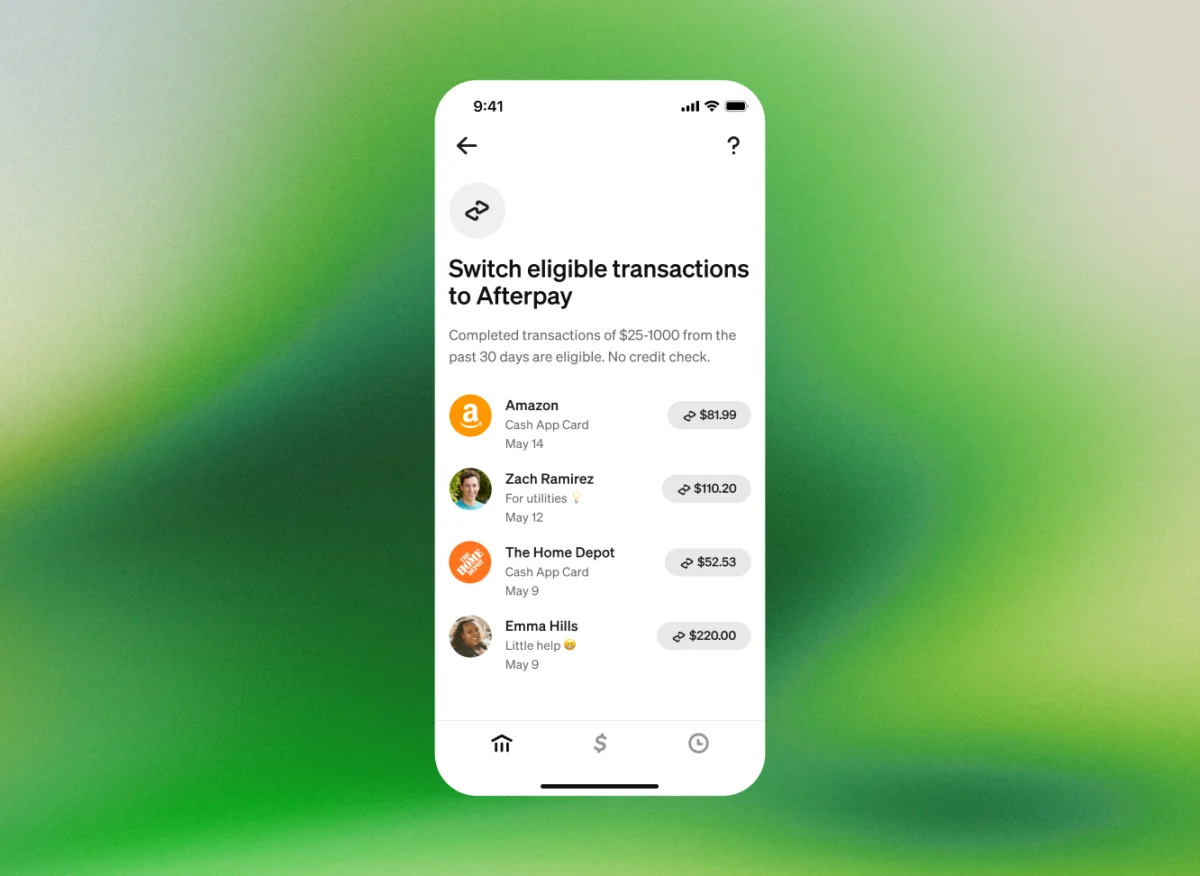
Cash App, the peer-to-peer financial services platform owned by Jack Dorsey’s Block Inc., has officially introduced a "pay-over-time" deferred payment feature, marking a significant expansion of the "Buy Now, Pay Later" (BNPL) model into the realm of personal transfers. The new functionality allows eligible users to finance everyday transfers to friends, family, or service providers, spreading the repayment over an extended period. This move signals a strategic shift for Block Inc. as it seeks to integrate its 2021 acquisition of Afterpay more deeply into the Cash App ecosystem, targeting a demographic increasingly reliant on flexible credit for short-term liquidity.
The feature allows users to convert transfers of $25 or more into deferred payment plans. For a flat fee of 7.5%, users can opt to repay the borrowed amount in weekly increments over a six-week window or via a single lump-sum payment at the end of the term. Under this structure, a $100 transfer would result in a total repayment of $107.50. Unlike traditional credit cards that utilize revolving credit lines and compound interest, Cash App’s model is transaction-specific and non-revolving, meaning users must settle their existing debt before being permitted to utilize the feature for subsequent transfers.
The Evolution of Block’s Lending Strategy
The launch of the pay-over-time feature is the latest step in a multi-year effort by Block Inc. to transition Cash App from a simple money-transfer tool into a comprehensive financial hub. This journey began in earnest with the launch of the Cash App Card, a Visa debit card that allowed users to spend their balances at traditional retailers. In 2020, the company began testing "Cash App Borrow," a short-term loan feature that offered users up to $200 for a 5% fee, provided the loan was repaid within a month.
The most pivotal moment in this chronology occurred in August 2021, when Block (then Square Inc.) announced the acquisition of the Australian BNPL giant Afterpay for $29 billion. Since the deal’s closure in early 2022, Block has been aggressively integrating Afterpay’s technology. This integration first manifested as BNPL options for merchants using Square’s point-of-sale systems and later as "Afterpay for Cash App Card," which allowed users to pay for retail purchases in installments. The current expansion into peer-to-peer (P2P) transfers represents the final frontier of this integration, applying installment-based financing to the most fundamental aspect of the Cash App platform: moving money between individuals.
Financial Mechanics and Dynamic Lending Criteria
Cash App’s approach to lending differs from traditional banking institutions that rely heavily on FICO scores and static credit limits. Instead, the company utilizes a dynamic assessment system to determine eligibility and loan ceilings. According to a company spokesperson, the specific amount available for conversion depends on the original transaction amount and a real-time assessment of the individual customer.
"We evaluate each transaction for eligibility based on our responsible lending criteria rather than setting traditional credit limits," the spokesperson stated. This algorithmic approach considers a user’s history with the app, including their frequency of deposits, previous repayment reliability, and overall engagement with the platform’s suite of services. By utilizing internal data rather than external credit reports, Cash App can offer credit to "thin-file" borrowers—individuals who may lack a traditional credit history but demonstrate consistent financial behavior within the app’s ecosystem.
The 7.5% fee structure is positioned as a transparent alternative to the complex interest calculations of credit cards. While a 7.5% fee over six weeks equates to a high effective annual percentage rate (APR), the company argues that the fixed-cost nature of the product prevents the "debt spirals" often associated with minimum-payment traps in the credit card industry.
Addressing the Volatility of the Modern Labor Market
Owen Jennings, Block’s Executive Officer and Head of Business, framed the new feature as a necessary response to the changing landscape of the American workforce. In an interview regarding the launch, Jennings highlighted the shift from the stable, bi-weekly "W2 income" that defined the mid-20th century to the variable income streams of the modern gig economy.
"We’re seeing more folks—particularly younger folks—who are solo-preneurs, entrepreneurs, and gig workers," Jennings noted. "They have side hustles, they’re working multiple jobs, and so they have variable income streams." According to data from the Bureau of Labor Statistics and various independent studies, approximately 36% of the U.S. workforce—roughly 57 million people—participated in freelance or gig work in 2023. For these workers, income does not always align with the timing of essential expenses, such as rent, utilities, or personal obligations.
Jennings argued that the pay-over-time feature serves as a "cash flow management" tool, allowing users to bridge the gap between a needed transfer and their next influx of income. By providing a structured, short-term borrowing option, the company aims to offer a safer alternative to payday loans or high-interest overdraft fees, which have historically been the primary recourse for low-income or gig-economy workers facing liquidity crises.
Industry Trends and the Rise of "Micro-Financing"
The introduction of P2P installment payments follows a broader trend in the fintech industry toward the micro-financing of everyday life. In early 2023, the delivery platform DoorDash partnered with Klarna to allow users to finance food orders, a move that sparked significant debate on social media regarding the ethics of "burrito debt." Critics argued that if consumers require installment plans for a $20 meal, it indicates a systemic failure in the economy. Conversely, proponents suggested that providing more options for financial flexibility is always a net positive for the consumer.
The BNPL market has seen explosive growth over the last five years. According to a report by GlobalData, the global BNPL market reached a valuation of $309 billion in 2023 and is projected to grow at a compound annual growth rate (CAGR) of over 25% through 2030. This growth is driven by a generational shift in attitudes toward credit; younger consumers, particularly Gen Z and Millennials, have shown a distinct preference for fixed-fee installment plans over traditional revolving credit, which many associate with the financial crises of previous decades.
Regulatory Scrutiny and Legal Challenges
Despite its popularity, the BNPL sector is facing increasing pressure from regulators and consumer advocacy groups. In May 2024, the Consumer Financial Protection Bureau (CFPB) issued an interpretive rule declaring that BNPL providers are "credit card providers" and must comply with certain legal protections established by the Truth in Lending Act. This includes the right to dispute charges and the requirement for providers to perform "ability-to-repay" assessments.
Critics maintain that these services can encourage overspending by decoupling the immediate gratification of a purchase from the reality of its cost. A recent study by the Financial Health Network found that while many users value BNPL for its convenience, a subset of "financially vulnerable" users often find themselves "stacking" multiple loans across different platforms, leading to a cumulative debt burden that becomes difficult to manage.
Legal challenges are also mounting. Recently, a class-action lawsuit was filed against Klarna, alleging that the company engaged in predatory practices by failing to adequately disclose the risks of late fees and the potential for multiple automated withdrawals that could trigger bank overdraft fees. While Cash App’s new feature is non-revolving—prohibiting new loans until old ones are settled—it enters a market where the definition of "responsible lending" is being actively litigated and redefined.
Broader Economic Implications
The expansion of credit into peer-to-peer transfers represents a fundamental change in how digital wallets function. Historically, a P2P transfer was a debit-based transaction—you could only send what you already possessed. By introducing a credit component, Cash App is blurring the lines between a money transfer app and a digital credit card.
From a macroeconomic perspective, the proliferation of BNPL services into every facet of consumer spending—from electronics to groceries and now to personal transfers—suggests a growing reliance on debt to sustain daily economic activity. While fintech companies argue they are providing "flexibility," some economists worry that this trend reflects a consumer base that is increasingly "stretched thin" by inflation and stagnant real wages.
For Block Inc., the success of this feature will likely be measured by its ability to increase user "stickiness." By providing credit directly within the app, Cash App ensures that users remain within its ecosystem for both their borrowing and spending needs. As the company continues to compete with PayPal’s Venmo and traditional banking apps, the ability to offer immediate, algorithmic-based credit may prove to be its most potent competitive advantage.
As the feature rolls out to a wider user base, the industry will be watching closely to see if other P2P giants follow suit. For now, Cash App’s move into pay-over-time transfers stands as a bold experiment in the further "financialization" of daily life, offering a high-tech solution to the age-old problem of mismatched cash flow in an increasingly volatile economy.