Lina Wu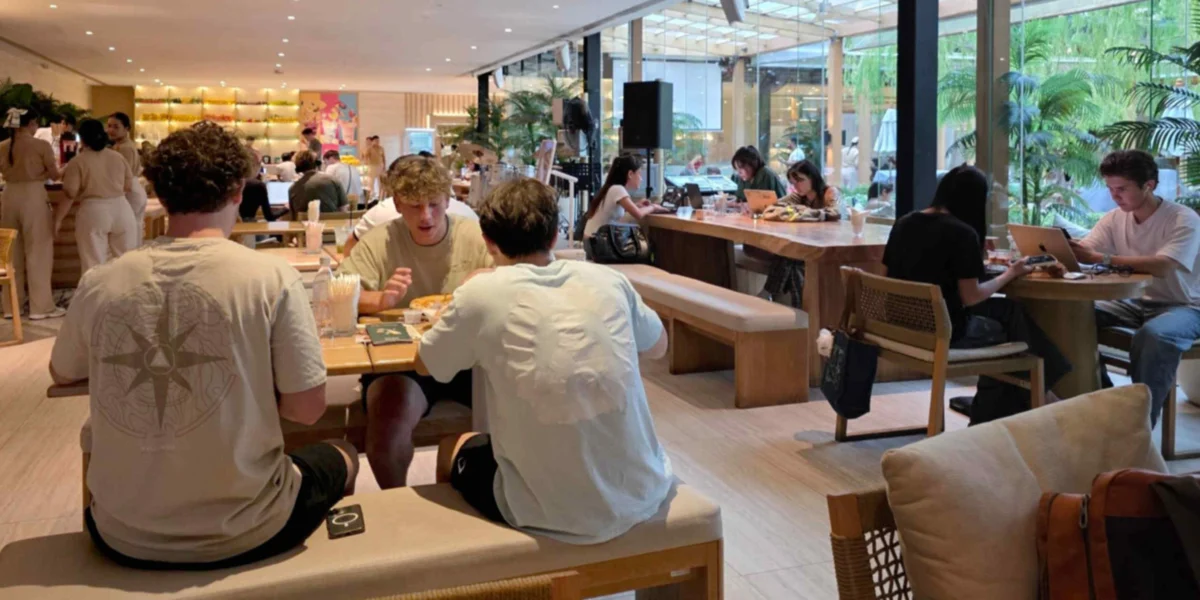
Bangkok’s residential districts are witnessing a burgeoning trend of market-style eateries, transforming into vital community spaces for residents who find themselves geographically distanced from the bustling cafe and bar scenes typically concentrated around the city’s transit hubs. These vibrant establishments are not merely serving food; they are fostering social connections, offering convenient amenities, and revitalizing neighborhood cores.
The Shifting Urban Landscape of Bangkok
For years, Bangkok’s urban development has been characterized by its rapid expansion, often with a focus on commercial centers and transportation arteries. This has inadvertently created pockets within residential areas that lack accessible, quality public spaces for social interaction and casual leisure. While the Skytrain (BTS) and Mass Rapid Transit (MRT) systems have revolutionized urban mobility, their stations often become focal points for commercial activity, leaving residents in further-flung neighborhoods with limited options for spontaneous meetups or a quick bite outside their homes.
The emergence of market-style eateries in these overlooked residential zones represents a significant counter-trend. These venues, often designed with an open-air, communal feel reminiscent of traditional Thai markets but with a modern, curated aesthetic, are filling a crucial void. They offer a convenient and accessible alternative to traveling long distances for a coffee, a meal, or a casual workspace.
The Rise of The Office Thonglor and Similar Concepts
The Office Thonglor, as highlighted in the accompanying image, serves as a prime example of this evolving urban phenomenon. Functioning as both an eatery and a coworking space, it embodies the multifaceted nature of these new community hubs. Such establishments are strategically located to cater to the needs of residents, offering a blend of food and beverage services, flexible working environments, and social gathering points.
This model is not isolated. Across Bangkok, similar concepts are gaining traction. These range from small, independent cafes with artisanal food offerings and shared seating arrangements to larger, multi-vendor food halls that retain the vibrant atmosphere of a market. The common thread is their integration into residential neighborhoods, providing a local anchor for community life.
Key Characteristics of These New Community Spaces:
- Proximity to Residential Areas: Their primary success factor is their accessibility to people living nearby, reducing the need for extensive travel.
- Multifunctional Design: They often combine dining, drinking, working, and socializing spaces under one roof, catering to diverse needs throughout the day.
- Communal Ambiance: An emphasis is placed on creating a welcoming, open, and social atmosphere, encouraging interaction among patrons.
- Curated Offerings: While diverse, the food and beverage options are typically curated to appeal to local tastes and preferences, often featuring a mix of popular Thai dishes and international favorites.
- Flexible Usage: They serve as morning coffee spots, lunch venues, after-work relaxation areas, and evening dining destinations.
Supporting Data and Market Trends
While precise, comprehensive data on the proliferation of these specific types of eateries in residential areas is still emerging, broader market indicators suggest a growing demand for localized, community-oriented businesses. The food and beverage sector in Thailand has consistently shown resilience and growth. According to a report by Statista, the food service market in Thailand is projected to reach a revenue of approximately USD 31.5 billion by 2027, with a compound annual growth rate (CAGR) of 6.12% between 2023 and 2027.
This growth is not solely driven by large chains or central business districts. There is a discernible shift towards supporting local businesses and seeking authentic neighborhood experiences. The rise of social media platforms also plays a role, as these new eateries often leverage visual appeal and word-of-mouth marketing to attract local clientele. User-generated content shared on platforms like Instagram and Facebook highlights their unique offerings and community feel, acting as a powerful, organic promotional tool.
Furthermore, the increasing adoption of remote and hybrid work models post-pandemic has likely contributed to the demand for accessible coworking spaces and cafes that can serve as alternative work environments outside the home. This aligns perfectly with the dual functionality of establishments like The Office Thonglor.
Background Context: Urbanization and Social Connectivity
Bangkok’s urban narrative is one of continuous transformation. From its origins as a network of canals and villages, it has evolved into a sprawling metropolis. Historically, community life was often centered around local markets and temples, providing natural gathering points. However, with the rapid pace of modernization, the decline of traditional community structures, and the increasing reliance on private transportation or public transit for access to services, a sense of detachment can emerge in residential areas.
The COVID-19 pandemic further underscored the importance of local communities and reduced the frequency of long-distance commutes for many. This period may have accelerated the desire for convenient, local amenities and social interaction points. Residents, spending more time in their neighborhoods, began to seek out places that could cater to their evolving lifestyles.
Reactions and Inferred Stakeholder Perspectives
While direct quotes from specific stakeholders are not provided in the initial information, it is logical to infer potential reactions and perspectives from various parties involved:
- Local Residents: They are likely to express strong support for these new eateries, appreciating the convenience, the enhanced sense of community, and the improved local amenities. Feedback on social media and local forums would likely highlight positive experiences of meeting neighbors, discovering new food options, and finding pleasant spaces for work or relaxation.
- Eatery Owners and Operators: They would likely emphasize their understanding of local needs and their commitment to creating welcoming environments. Their business model would be centered on building loyal customer bases through consistent quality, friendly service, and a strong connection to the neighborhood. They might also highlight the challenges of operating in residential areas, such as navigating local regulations and managing operational costs.
- Local Government and Urban Planners: While not explicitly stated, the proliferation of such businesses could be viewed positively as a means of fostering local economic activity and improving the quality of life in residential areas. Planners might consider how to support and integrate these establishments into future urban development strategies, potentially through streamlined permitting processes or zoning adjustments that encourage mixed-use development. However, they would also need to consider potential issues like increased traffic, noise, and waste management, requiring careful planning and regulation.
- Traditional Cafe and Bar Owners in Central Districts: These businesses might face increased competition for local patronage. However, they might also see an opportunity to differentiate themselves by offering unique experiences or targeting specific demographics that still prefer the more concentrated entertainment and business hubs.
Analysis of Implications and Broader Impact
The trend of market-style eateries in Bangkok’s residential areas carries several significant implications:
- Enhanced Social Cohesion: By providing accessible meeting points, these eateries can help to combat social isolation and foster stronger community bonds among residents, particularly in increasingly fragmented urban environments.
- Economic Revitalization of Neighborhoods: They create local employment opportunities, support local suppliers, and inject economic activity into previously underserved residential zones, potentially increasing property values and neighborhood appeal.
- Diversification of Urban Lifestyles: These spaces cater to a broader range of daily activities, from remote work and casual dining to social gatherings, reflecting a growing demand for flexible and integrated living.
- Challenges and Future Planning: The success of these ventures highlights the need for urban planning to be more responsive to the evolving needs of residents in non-central areas. Future development could focus on creating more mixed-use zoning that accommodates such community-oriented businesses, while also addressing potential challenges related to traffic, parking, and noise pollution through thoughtful design and regulation.
- Sustainability and Local Sourcing: There is an opportunity for these eateries to champion sustainable practices and support local agricultural producers, further embedding themselves as responsible community assets.
Chronology of a Developing Trend
While pinpointing an exact start date for this trend is difficult, it can be broadly contextualized within recent urban development patterns:
- Pre-2010s: Bangkok’s urban growth was heavily focused on commercial centers and transit-oriented development. Residential areas were primarily dormitories with limited local amenities.
- 2010s: The rise of the "cafe culture" began to see more independent cafes emerging, some of which started to appear in more accessible residential pockets, though still often tied to areas with good transit links. The concept of "lifestyle malls" also began to influence how commercial spaces were integrated into communities.
- Mid-2010s onwards: The specific "market-style eatery" concept, with its emphasis on communal space and multi-functionality within residential areas, started to gain more distinct visibility. Social media played a crucial role in popularizing these venues.
- Post-2020 (COVID-19 Pandemic Era): The pandemic likely accelerated this trend by increasing the importance of local living and remote work, thus boosting demand for convenient neighborhood amenities and flexible workspaces. Establishments like The Office Thonglor, which combine dining and coworking, became particularly relevant.
- Present (2026): The trend is now a noticeable feature of Bangkok’s urban fabric, with new establishments continuing to emerge and existing ones solidifying their roles as community anchors.
Conclusion
The proliferation of market-style eateries in Bangkok’s residential districts is more than just a culinary fad; it is a significant urban development reflecting changing lifestyles and a renewed appreciation for local community. These vibrant spaces are successfully bridging the gap between urban living and neighborhood connection, offering residents accessible hubs for sustenance, work, and social interaction. As Bangkok continues to evolve, the integration of such community-focused establishments will likely play a crucial role in shaping the city’s future urban landscape, fostering more connected, resilient, and livable neighborhoods for all.