Lina Wu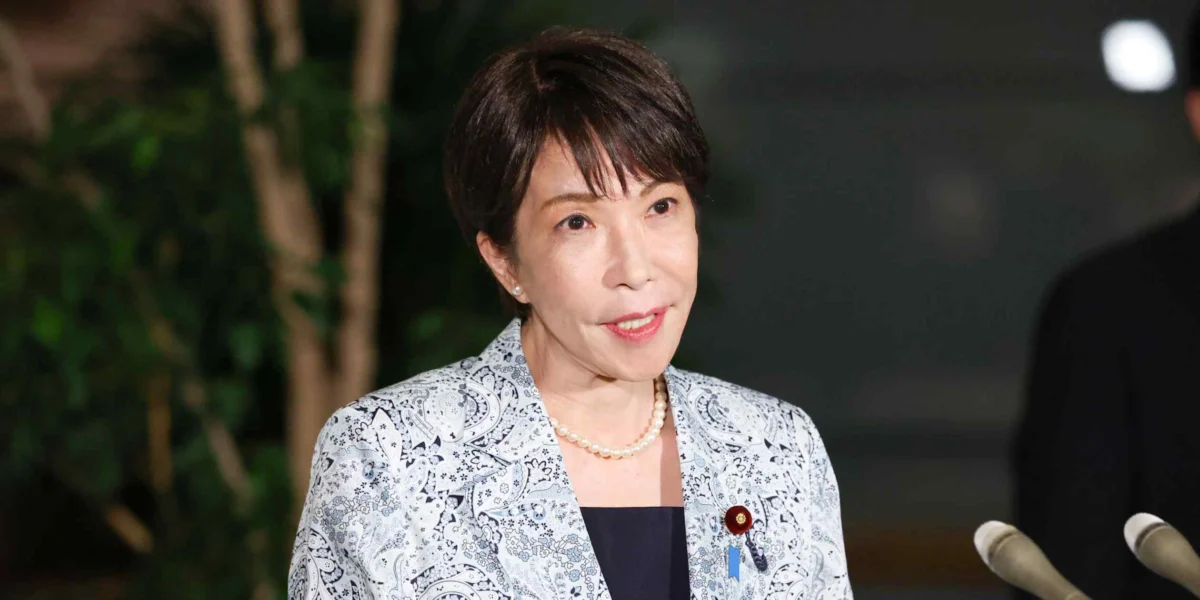
TOKYO – Prime Minister Sanae Takaichi’s administration has experienced a significant decline in public support, with the latest joint poll by Nikkei and TV Tokyo revealing a 10-percentage-point drop in cabinet approval to 58%. This marks the first time since Takaichi assumed office in October 2025 that her government’s approval rating has fallen below the 60% threshold. The erosion of support is particularly pronounced among independent voters, a crucial demographic in Japanese politics, where disapproval now exceeds 50%.
The downturn, detailed in the poll conducted between July 19-21, 2026, signals a potential shift in the political landscape and presents a new challenge for Prime Minister Takaichi as she navigates domestic policy and international relations. The 58% approval rating, while still representing a majority, represents a notable decrease from the 68% recorded in the previous month’s survey, indicating a swift loss of public confidence.
Deepening Discontent Among Independent Voters
A critical finding of the Nikkei/TV Tokyo poll is the surge in disapproval among voters who do not align with any specific political party. For the first time, more than half of these independent voters – 51% – expressed disapproval of the Takaichi cabinet, compared to 45% in the prior month. This represents a substantial 6-percentage-point increase in negative sentiment within this key demographic. Conversely, approval among independents dipped to 39%, down from 45% in June.
This growing alienation of independent voters is a cause for concern for the ruling Liberal Democratic Party (LDP), as this group often represents a swing vote and can significantly influence election outcomes. Their dissatisfaction suggests that the government’s messaging or policy actions are not resonating with a broad segment of the electorate, beyond the party’s core supporters.
Timeline of Public Sentiment Under Takaichi
Prime Minister Takaichi took office on October 1, 2025, inheriting a political climate marked by a desire for stability and decisive leadership. Her initial cabinet approval ratings reflected a honeymoon period, with early polls indicating strong public backing.
- October 2025: Takaichi’s cabinet launched with an initial approval rating of 65%, according to Nikkei/TV Tokyo polls, buoyed by expectations of her experienced leadership.
- November 2025 – March 2026: Approval ratings remained robust, consistently hovering between 63% and 67%, indicating a steady level of public trust.
- April 2026: A slight dip to 61% was observed, attributed by some analysts to early criticisms regarding the pace of economic reforms.
- May 2026: The cabinet saw a minor recovery, climbing back to 64%.
- June 2026: Approval held steady at 68%, suggesting a period of public satisfaction with government initiatives.
- July 2026: The sharp decline to 58% marks a significant turning point, with the poll data suggesting a confluence of factors contributing to the erosion of public confidence.
The recent drop is particularly noteworthy given its magnitude and speed. While minor fluctuations are common, a 10-point decline in a single month suggests that recent events or policy decisions may have had a considerable negative impact on public perception.
Potential Contributing Factors to the Decline
While the poll results do not explicitly detail the reasons for the drop, political analysts and observers have pointed to several potential contributing factors that may have influenced public opinion:
Economic Concerns and Cost of Living
Despite government efforts to stimulate the economy, persistent concerns about inflation and the rising cost of living may be weighing on public sentiment. Recent reports indicated that while wage growth has shown some positive signs, it has not fully kept pace with the increase in prices for essential goods and services. This disparity can lead to a feeling of economic insecurity among households, impacting their view of the government’s economic management. Specific policy debates surrounding energy subsidies, food price stabilization measures, or the effectiveness of fiscal stimulus packages could be points of contention.
Policy Stumbles or Controversies
Any perceived missteps or controversies in policy implementation can quickly erode public trust. This could include:
- Social Security Reforms: Proposals or changes related to pensions, healthcare, or welfare programs often elicit strong public reactions. If recent adjustments have been seen as insufficient or inequitable, they could fuel discontent.
- Environmental Policies: Debates surrounding climate change initiatives, energy security, or the approval of new industrial projects can be polarizing. Public perception of the government’s commitment to environmental protection versus economic development might be a factor.
- Foreign Policy Challenges: While not explicitly mentioned in the provided excerpt, significant international developments or perceived missteps in foreign relations can also affect domestic approval ratings. This could range from trade disputes to regional security concerns.
Public Perception of Leadership and Competence
The decline in approval could also reflect a growing perception that the government lacks decisive leadership or is not effectively addressing the nation’s challenges. The swiftness of the drop might suggest that recent events have highlighted perceived weaknesses in the administration’s ability to respond to public needs or to effectively communicate its policy objectives.
Broader Implications for the Takaichi Administration
The erosion of public support, particularly among independent voters, poses several challenges for Prime Minister Takaichi and the LDP:
- Legislative Agenda: A declining approval rating can weaken the government’s mandate and make it more difficult to pass key legislation. Opposition parties may feel emboldened to challenge the government more forcefully, and even within the ruling coalition, dissent could increase.
- Electoral Prospects: With local elections or potential snap general elections on the horizon, a sustained dip in approval could impact the LDP’s electoral performance. The ability to mobilize voters, especially those in the center, becomes more critical.
- Policy Direction: The government may feel pressure to adjust its policy priorities or communication strategies to regain public favor. This could lead to a more cautious approach or a pivot towards issues that resonate more strongly with the electorate.
- International Standing: While domestic approval is the focus here, a perception of domestic instability or weakening leadership can sometimes indirectly affect a nation’s international standing and its ability to project influence.
Official Responses and Future Outlook
As of the reporting of this poll, no immediate official statements from Prime Minister Takaichi’s office or the LDP regarding the specific figures have been widely disseminated. However, it is customary for political parties to closely monitor such polls and to react through their spokespersons or during parliamentary sessions.
The Takaichi administration will likely face increased scrutiny from the media and the opposition. They may seek to address public concerns through targeted policy announcements, public outreach campaigns, or by emphasizing perceived successes. The coming weeks and months will be crucial in determining whether this decline in approval is a temporary setback or indicative of a more sustained trend. The government’s ability to effectively address the underlying causes of this dissatisfaction will be key to restoring public confidence and maintaining its political momentum.
The Nikkei/TV Tokyo poll, with its sample size and methodology, is generally considered a reliable indicator of public sentiment in Japan. The findings underscore the dynamic nature of political support and the constant need for governments to remain attuned to the evolving concerns and expectations of the electorate. The significant drop in approval among independent voters serves as a stark reminder that broad appeal, beyond the party faithful, is essential for sustained political success.