Lina Wu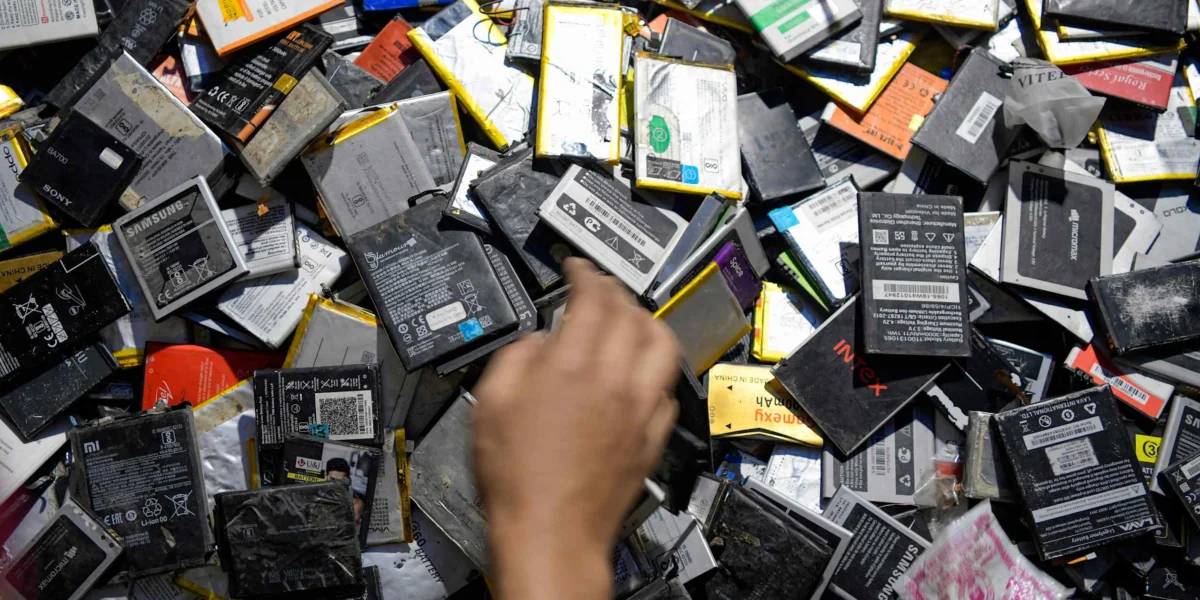
RAJASTHAN, India — Efforts by global manufacturers like Panasonic to comply with India’s ambitious recycling mandates for low-end batteries are encountering significant hurdles related to prohibitive costs and complex logistics. These challenges not only cast a shadow over the nation’s environmental protection goals but also pose a growing risk to the secure sourcing of critical minerals essential for the burgeoning battery industry. The failure to establish robust and accessible recycling channels means a substantial volume of discarded batteries risks entering informal, environmentally damaging waste streams.
The current regulatory landscape in India, driven by the Battery Waste Management Rules, 2022, mandates that producers and importers of batteries are responsible for collecting and recycling a specified percentage of their products. These rules aim to curb the environmental pollution caused by improper disposal and to recover valuable materials like lithium, cobalt, nickel, and manganese, which are vital for the production of new batteries and other high-tech components. However, the practical implementation of these rules is proving to be a formidable task, particularly for batteries that fall outside the high-value, large-format categories commonly associated with electric vehicles.
The Growing E-Waste Crisis
India is experiencing a rapid surge in battery consumption, driven by the proliferation of consumer electronics, portable power banks, electric two-wheelers, and the nascent but growing electric vehicle sector. This exponential growth, while indicative of economic progress and technological adoption, is simultaneously creating a monumental challenge in managing the end-of-life phase of these batteries. According to a 2023 report by the International Energy Agency (IEA), global demand for lithium is projected to increase by over 40 times by 2040 compared to 2020 levels, with a significant portion of this demand emanating from battery manufacturing. India, with its ambitious renewable energy targets and push for electric mobility, is a key contributor to this demand.
The existing infrastructure for collecting, transporting, and processing spent batteries, especially those of lower energy density and smaller scale, is nascent and unevenly distributed across the country. The vast geographical spread of India, coupled with varying levels of urbanisation and infrastructure development, exacerbates the logistical complexities. Companies are grappling with establishing efficient collection networks that can reach consumers in remote areas and consolidate waste streams effectively.
Financial and Operational Roadblocks
The economic viability of recycling low-end batteries is a primary concern. The concentration of valuable recoverable materials in these batteries is often lower compared to larger industrial or electric vehicle batteries. This, coupled with the costs associated with collection, transportation to recycling facilities, dismantling, and the actual material recovery processes, can make recycling economically unfeasible without substantial subsidies or innovative technological solutions.
"The cost of collecting and transporting these smaller batteries from disparate locations across the country is a significant hurdle," commented an industry analyst who preferred to remain anonymous due to ongoing discussions with policymakers. "Furthermore, the processes for extracting lithium and other critical metals from these mixed battery chemistries are still evolving, and the scale of operations required for economic efficiency is not yet widespread."
Panasonic, a major player in battery manufacturing, including for consumer electronics and potentially for the emerging EV market in India, is among the companies facing these challenges. While the company has a global commitment to sustainability and has invested in recycling technologies, the specific context of the Indian market presents unique difficulties. The Battery Waste Management Rules place a significant onus on producers to ensure proper disposal, and the penalties for non-compliance can be substantial.
Environmental Ramifications of Informal Channels
The primary concern arising from the failure to meet formal recycling targets is the diversion of battery waste into informal channels. In India, a significant portion of e-waste, including batteries, is processed through informal networks of scrap dealers and small-scale recyclers. These operations often lack the environmental controls and safety standards necessary for handling hazardous materials.
The image accompanying this report vividly illustrates the potential consequences: batteries are often incinerated or landfilled. Incineration releases toxic heavy metals such as lead, mercury, and cadmium, along with harmful organic compounds, into the atmosphere, posing severe risks to respiratory health and contributing to air pollution. Landfilling can lead to the leaching of these toxic substances into the soil and groundwater, contaminating ecosystems and potentially entering the food chain. Lithium, while less acutely toxic than some other battery components, can still contribute to environmental degradation when released in large quantities.
The informal sector, while providing livelihoods for many, operates without the necessary safeguards. Workers are often exposed to hazardous fumes and direct contact with toxic battery components, leading to significant health issues. Moreover, the inefficient and often destructive methods employed by informal recyclers mean that valuable materials are not recovered effectively, contributing to resource depletion.
Broader Implications for Critical Mineral Sourcing
The struggle to establish effective battery recycling in India has far-reaching implications for the global supply of critical minerals. As nations worldwide seek to transition to cleaner energy and electric mobility, the demand for lithium, cobalt, nickel, and other battery metals is skyrocketing. Diversifying supply chains and reducing reliance on a few dominant producers is a strategic imperative.
Developing robust domestic recycling capabilities can significantly contribute to a circular economy for battery materials. This reduces the need for virgin mining, which is often associated with significant environmental and social impacts. By recovering and reusing these valuable metals, India can bolster its own resource security and reduce its dependence on imports, potentially mitigating the geopolitical risks associated with mineral supply.
However, the current situation suggests that India’s reliance on primary extraction of these minerals may continue to dominate, at least in the short to medium term. This not only impacts the global balance of critical mineral supply but also means India misses a crucial opportunity to develop a self-sustaining battery ecosystem. The cost and logistical challenges in recycling directly translate into a reduced domestic supply of recycled critical minerals, thereby perpetuating the demand for newly mined resources.
Potential Policy Interventions and Industry Responses
Industry experts and environmental advocates are calling for a multi-pronged approach to address these challenges. Potential solutions include:
- Incentives for Formal Recycling: Government incentives, such as subsidies for recycling infrastructure development, tax breaks for companies investing in advanced recycling technologies, and preferential procurement policies for products made with recycled materials, could help improve the economic viability of battery recycling.
- Standardisation and Harmonisation: Developing clear standards for battery design that facilitate easier dismantling and material recovery could streamline the recycling process. Harmonising regulations across different states and ensuring consistent enforcement would also be beneficial.
- Public Awareness Campaigns: Educating consumers about the importance of proper battery disposal and the available formal recycling channels is crucial to increase participation and reduce the diversion of batteries into informal waste streams.
- Technological Innovation: Continued investment in research and development of more efficient and cost-effective battery recycling technologies, particularly for mixed chemistries and low-end batteries, is essential. Collaboration between industry, academia, and government can accelerate this process.
- Extended Producer Responsibility (EPR) Enhancement: While the EPR framework is in place, its implementation needs to be strengthened. This could involve more rigorous monitoring, clear targets for different battery types, and robust mechanisms for tracking and reporting recycling rates.
The current difficulties faced by companies like Panasonic in meeting India’s battery recycling targets are a stark reminder of the complexities involved in transitioning to a sustainable, circular economy. Addressing these issues is not merely an environmental imperative but a strategic necessity for securing critical mineral resources and fostering a robust domestic battery industry in India. The success of India’s ambitious green initiatives, including its push for electric mobility and renewable energy, hinges significantly on its ability to effectively manage the lifecycle of the batteries that power them. The clock is ticking, and the environmental consequences of inaction are substantial. The coming years will be critical in determining whether India can navigate these challenges and transform its growing battery waste problem into a source of valuable resources.