Gilang Muhammad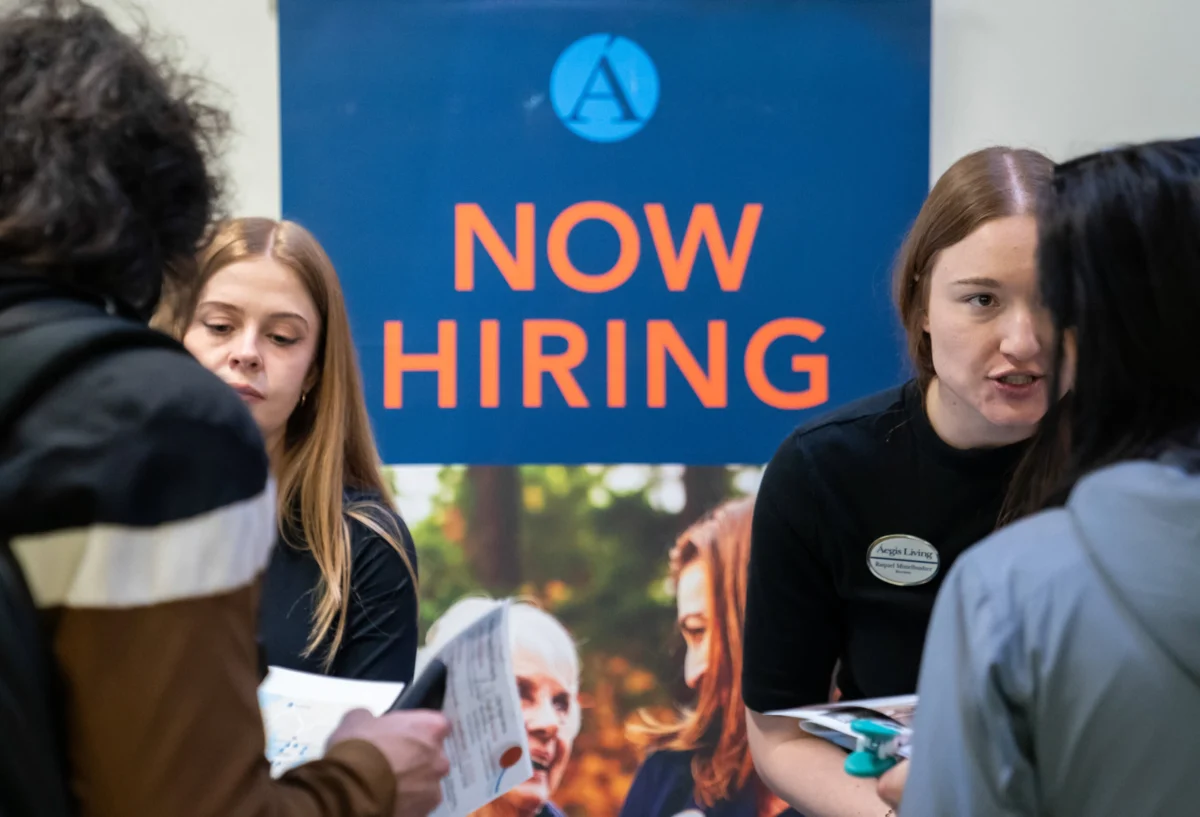
The highly anticipated August jobs report, scheduled for release this Friday, is poised to provide the conclusive data point for what has largely been characterized as a summer of stagnant job growth across the United States. Analysts and economists are bracing for figures that are likely to underscore a labor market in a delicate equilibrium, one that is neither booming nor collapsing, but rather navigating a complex landscape of global uncertainties and domestic policy shifts. This pivotal report will offer crucial insights into the economic health of the nation and, more importantly, influence the Federal Reserve’s impending decisions on monetary policy.
The Summer’s Economic Chill: A Look at Recent Labor Market Trends
According to the Dow Jones consensus estimate, the Bureau of Labor Statistics (BLS) is expected to report a modest gain of just 53,000 in nonfarm payrolls for August. This anemic growth rate, if it holds, would be sufficient to maintain the national unemployment rate at 4.1%, a figure that, while historically low, belies the underlying softness in job creation. This projected outcome follows a disappointing trend observed throughout the summer months. The jobs reports for June and July 2026 collectively revealed a net loss of 3,000 jobs, a stark departure from the robust job expansion seen in previous periods. The cumulative effect of these figures paints a picture of a labor market that has significantly decelerated, leading many to dub the season a "jobless summer."
Adding another layer of caution to these projections is the historical tendency for initial August jobs numbers to undergo downward revisions. For the past four consecutive years, the preliminary August figures have been adjusted lower in subsequent reports, suggesting that the initial estimate might even be an overstatement of the true job creation. This pattern highlights the inherent volatility and the need for a nuanced interpretation of early data releases, prompting economists to often adopt a more conservative outlook until revisions are published. The photograph from WorkSource North Seattle Career Fair on Tuesday, Feb. 10, 2026, with "Now Hiring" signs, serves as a poignant reminder of the ongoing demand for labor even amidst broader slowdowns, reflecting perhaps a mismatch in skills or regional variations that aren’t fully captured by national aggregates.
A Stable, Yet Unexciting Landscape: Expert Perspectives
The prevailing sentiment among economists regarding the current state of the labor market is one of "stable but unexciting." Dan North, a senior economist for Allianz Trade North America, articulated this perspective, noting the absence of "really robust growth." North attributes this subdued activity to a confluence of significant uncertainties facing employers. Businesses, he explains, are contending with a complex global environment marked by ongoing geopolitical conflicts, fluctuating energy prices, the imposition and removal of tariffs, and a domestic administration prone to swift policy changes. "So you’ve got a lot of uncertainties out there," North concluded, succinctly capturing the cautious mood permeating corporate decision-making regarding hiring and expansion.
This analysis is further bolstered by the broader economic discourse which frequently cites geopolitical instability and the transformative impact of artificial intelligence as dominant themes shaping the modern labor market. While AI promises long-term productivity gains, its immediate effects on employment are often viewed with apprehension, fostering a "wait-and-see" approach among some employers. Moreover, a steadily shrinking labor force, influenced by demographic shifts and early retirements, has played a crucial role in keeping the unemployment rate in check, even with anemic job creation. This demographic reality means that fewer new jobs are needed to prevent the unemployment rate from rising, masking the underlying weakness in job growth.
The Federal Reserve’s Shifting Focus: Inflation Over Employment
For Federal Reserve officials, the labor market appears to be increasingly receding into the background as their primary concern. With inflation remaining a persistent challenge, the Fed’s attention has largely shifted towards calibrating monetary policy to bring price stability back into alignment. Recent statements from key Fed members underscore this evolving focus. Governor Michael Barr, earlier this week, characterized the labor market situation as "stable," while Governor Christopher Waller stated on Thursday that the jobs picture is in "satisfactory shape." These assessments, while hardly ringing endorsements of a booming job market, are sufficient to allow the Fed to contemplate further monetary policy actions, including potential rate hikes or maintaining current high rates, without unduly alarming them about the health of employment.
Andrew Hollenhorst, an economist at Citigroup, echoed this sentiment in a recent note to clients. "Monthly payrolls readings have been softer in recent months, but low jobless claims and a steady unemployment rate have kept Fed officials unconcerned about the labor market," Hollenhorst observed. This indicates a key divergence: while job creation might be slow, the lack of widespread layoffs and the stability of the unemployment rate provide the Fed with a comfortable enough buffer to prioritize inflation control. Indeed, weekly jobless claims have remained consistently low, and data from outplacement consultants Challenger, Gray & Christmas reveals that the total layoff pace in 2026 is the slowest in four years. This resilience against widespread job cuts, despite slower hiring, is a critical factor influencing the Fed’s current stance.
Deeper Dive into Labor Market Dynamics: Beneath the Surface
The current state of the labor market is a complex interplay of various forces. The aforementioned geopolitical tensions, ranging from regional conflicts impacting supply chains to global energy market volatility, directly influence corporate investment and hiring plans. Businesses, facing unpredictable input costs and market access, often defer expansion, leading to slower job growth. The rapid advancement of artificial intelligence represents another profound, albeit longer-term, structural shift. While AI is poised to revolutionize industries, its immediate impact often involves automation of tasks, potentially displacing certain job functions even as it creates new ones. This creates a period of uncertainty where net job creation might slow or even temporarily decline in specific sectors.
The shrinking labor force, driven by an aging population, lower birth rates in previous decades, and changes in labor participation rates, fundamentally alters the dynamics of the job market. A smaller pool of available workers means that even modest job growth can keep the unemployment rate low. This structural change, rather than a robust demand for labor, is a significant contributor to the current low unemployment figures. The contrast between slow hiring and low layoffs is also crucial. Companies appear to be holding onto their existing workforce, perhaps due to the difficulty and cost of finding skilled labor in a tight market, or in anticipation of future demand, even if they are reluctant to expand their payrolls significantly in the current uncertain environment. This retention strategy contributes to the stability of the unemployment rate.
Nuances Influencing August’s Figures: Beyond Seasonal Shifts
The August jobs report is also expected to be influenced by several unique factors that extend beyond typical seasonal adjustments. A significant element is the government’s decision in July to cancel the Temporary Protected Status (TPS) for thousands of Haitians. This policy change, which has been projected to impact approximately 350,000 Haitians, could potentially lead to a reduction in the employment rolls. While the full impact may unfold over time, initial effects could be seen in the August data as individuals face uncertainty regarding their work authorization. Such a policy shift introduces a non-economic variable that directly affects labor force participation and employment figures.
In parallel, proprietary data from Vanguard, derived from their extensive 401(k) account information, offers another granular perspective. Vanguard’s analysis indicates a gain of just 8,000 jobs for the month. This data point is particularly insightful as it tracks actual payroll additions within participating companies. A notable finding from Vanguard’s data is a "noticeable decline" in hiring within the 21-to-24 age bracket. This trend suggests potential challenges for younger workers entering the job market or for recent graduates, perhaps reflecting employers’ preference for more experienced workers in a cautious hiring environment, or a sectoral slowdown in industries traditionally employing younger demographics. This age-specific hiring weakness, if confirmed by broader BLS data, could have long-term implications for youth employment and economic mobility.
Monetary Policy Crossroads: The Fed’s Next Move
The August jobs report will land just ahead of the Federal Reserve’s critical monetary policy meeting, scheduled for less than two weeks after the report’s release. Market participants and economists alike will scrutinize every detail for clues regarding the Fed’s next move. Citigroup, taking a more conservative stance than the Dow Jones consensus, projects an even softer August count of just 20,000 new jobs, following an estimated loss of 23,000 in July. Citi also anticipates a potential tick up in the unemployment rate to 4.2%. However, even with these softer figures, Citigroup economist Andrew Hollenhorst expects the Fed to interpret them as indicative of a "stable" labor market, thereby not causing broader concern that would divert their focus from inflation.
Despite the prevailing narrative of a "stable" labor market allowing for a focus on inflation, the precise nature of the Fed’s next action remains a subject of intense debate. While many analysts initially leaned towards a potential rate hike to further combat inflation, comments from Governor Waller earlier in the week regarding inflation have shifted market expectations. Traders are now pricing in a higher likelihood that the Fed will opt to hold interest rates steady at its September meeting, foregoing an immediate hike. This reflects a delicate balancing act where the Fed must weigh ongoing inflation pressures against a decelerating, albeit stable, labor market. While a rate cut is not immediately on the table for September, Citi’s long-term outlook suggests that the Fed’s next overall move will ultimately be a cut, signaling a potential shift towards easing policy once inflation is firmly under control and the labor market shows signs of further cooling.
Broader Economic Implications and Future Outlook
A sustained period of slow job growth, such as the "jobless summer" described, carries significant implications for the broader economic recovery. While the headline unemployment rate remains low, sluggish payroll expansion can dampen consumer confidence, limit wage growth, and ultimately constrain economic dynamism. For the Federal Reserve, this presents a challenging tightrope walk: maintain sufficient monetary tightness to tame inflation without tipping the economy into a deeper downturn or unnecessarily stifling employment. The persistent inflation, coupled with a decelerating labor market, places the Fed in a complex position where data dependency is paramount.
Looking ahead, the historical tendency for August numbers to be revised lower means that even the initial modest growth figures could eventually be downgraded, painting an even softer picture of the summer’s job performance. This makes future revisions particularly important for a complete understanding of the 2026 economic trajectory. Long-term trends, including ongoing demographic shifts that impact labor supply and the accelerating integration of technology and AI, will continue to reshape the employment landscape. These structural changes suggest that the labor market dynamics observed this summer may not be merely cyclical, but indicative of more profound shifts that policymakers and businesses will need to navigate in the coming years. The August jobs report, therefore, is not just a snapshot of a single month, but a critical piece of a larger, evolving economic puzzle.