Lina Wu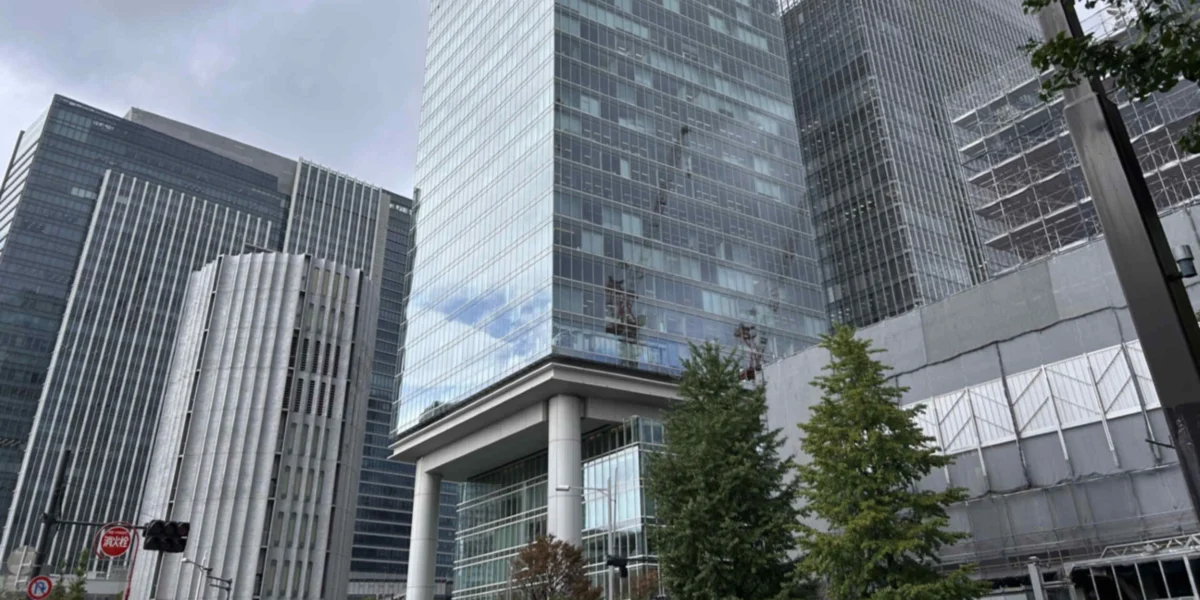
TOKYO – A significant transaction has reshaped the Tokyo real estate landscape as a Japanese consortium, spearheaded by prominent property developer Hulic, has secured a substantial portion of the Pacific Century Place Marunouchi building, a prestigious skyscraper situated in the heart of Tokyo’s central business district. The deal, valued at approximately 230 billion yen (equivalent to $1.49 billion USD), marks one of the largest single-building real estate transactions ever recorded in Japan, underscoring the enduring appeal and robust demand for prime office assets in the nation’s capital.
The acquisition of this prime real estate, located in the highly coveted Marunouchi district, a hub for major corporations, financial institutions, and government bodies, signifies a strategic move by the consortium to capitalize on the continued strength of Tokyo’s commercial property market. The Pacific Century Place Marunouchi, known for its sophisticated design, state-of-the-art facilities, and unparalleled location, represents a trophy asset within Japan’s competitive real estate sector. This transaction is not merely a large financial undertaking but also a testament to the confidence investors place in the long-term viability and growth potential of Tokyo as a global business center.
A Strategic Acquisition in a Premier Business Hub
The Marunouchi district, often referred to as Tokyo’s "Wall Street," is synonymous with prestige and economic power. Its proximity to Tokyo Station, a major transportation nexus, further enhances the accessibility and desirability of properties within its boundaries. The Pacific Century Place Marunouchi, a landmark edifice, boasts a significant leasable area, housing a roster of high-profile tenants across various industries. The consortium’s acquisition is believed to encompass a substantial portion of this prime office space, positioning them as a significant landlord in one of Asia’s most dynamic economic zones.
Hulic Corporation, a publicly traded real estate company with a diversified portfolio, has been actively engaged in acquiring and developing high-value properties. Their leadership in this consortium suggests a calculated strategy to expand their presence in the ultra-premium office segment. While specific details of the consortium’s composition and the exact breakdown of ownership stakes remain undisclosed, the involvement of a major player like Hulic signals a well-researched and financially sound venture. The scale of the transaction also implies the participation of other institutional investors, possibly including pension funds, investment trusts, or other real estate investment vehicles seeking stable, long-term returns from high-quality assets.
Historical Context and Market Dynamics
The Japanese real estate market, particularly in Tokyo, has experienced periods of significant volatility. However, the post-bubble era saw a gradual recovery, with a renewed focus on prime locations and high-quality assets. In recent years, Tokyo has consistently ranked among the top global cities for commercial real estate investment, attracting both domestic and international capital. The demand for office space in prime central business districts like Marunouchi has remained resilient, driven by a strong corporate presence, limited new supply, and a generally stable economic environment.
The current transaction occurs against a backdrop of evolving market conditions. While global economic uncertainties and shifts in working patterns, accelerated by the COVID-19 pandemic, have introduced new considerations for the office sector, premium properties in established business hubs have demonstrated remarkable resilience. The ability to command higher rents and maintain strong occupancy rates in such locations often insulates them from broader market downturns. The 230 billion yen valuation reflects the enduring premium placed on location, quality, and tenant profile within the Tokyo market.
A Timeline of Transactions and Investor Confidence
The Pacific Century Place Marunouchi has a history of significant transactions that underscore its value. While the exact ownership history leading up to this latest acquisition is complex, it is understood that the building has been a subject of interest for major real estate investors for some time. Property developers and investment firms continuously assess opportunities to acquire prime assets that can generate stable income and appreciate in value over the long term.
The process leading to such a large-scale transaction typically involves extensive due diligence, financial structuring, and negotiation. For a deal of this magnitude, it is probable that discussions and assessments have been ongoing for several months, if not longer. The finalization of the agreement signifies successful navigation through these intricate stages. The timing of this acquisition, in late 2026, suggests that the consortium views the current market conditions as favorable for such a strategic investment, potentially anticipating continued rental growth and capital appreciation.
Supporting Data and Market Benchmarks
To contextualize the significance of this 230 billion yen transaction, it is useful to examine comparable deals and market benchmarks. Single-building transactions exceeding 100 billion yen are considered substantial in the Japanese market. The acquisition of Pacific Century Place Marunouchi, at more than double that threshold, places it among the elite tier of real estate deals.
For instance, in 2021, the acquisition of the Nihonbashi Muromachi Mitsui Tower by a consortium led by Kenedix for approximately 130 billion yen was a major event. More recently, other large-scale portfolio sales and single-asset acquisitions have occurred, but this particular transaction stands out due to its sheer scale and the premium nature of the asset. The valuation is likely derived from a combination of factors, including the building’s net operating income, its prime location, the quality of its tenants, and its physical specifications. Average prime office rents in Marunouchi have historically been among the highest in Tokyo, reflecting the intense demand from multinational corporations and leading Japanese businesses seeking prestigious addresses. While specific rental income figures for Pacific Century Place Marunouchi are not publicly available, its occupancy by blue-chip tenants suggests a robust and stable revenue stream, justifying the substantial investment.
Official Responses and Industry Reactions
While official statements from Hulic Corporation and other members of the consortium are likely to be forthcoming, the nature of such large-scale, private transactions often means that detailed public commentary is limited immediately following the announcement. However, industry observers and real estate analysts are expected to weigh in on the implications of this deal.
"This acquisition by a domestic consortium, led by a reputable developer like Hulic, signals a strong appetite for high-quality, income-generating assets within Japan," commented a senior real estate analyst at a major investment bank. "It reflects a confidence in the underlying fundamentals of the Tokyo office market, particularly in core districts like Marunouchi. Such deals are also indicative of robust liquidity within the Japanese institutional investor base, willing to deploy significant capital into well-located real estate."
The seller in this transaction, whose identity may also remain undisclosed for a period, is likely to be a major financial institution or a real estate fund that has held the asset for a considerable time and is now divesting as part of its investment strategy. The successful sale at this valuation would represent a favorable outcome for the seller, demonstrating the enduring value of prime real estate in Tokyo.
Broader Impact and Future Implications
The acquisition of Pacific Century Place Marunouchi carries several broader implications for the Tokyo real estate market and beyond. Firstly, it reinforces Tokyo’s position as a premier destination for institutional real estate investment, attracting substantial capital flows. Secondly, it highlights the continued strength and desirability of Grade A office space in established central business districts, even amidst evolving work trends. This may encourage further development and investment in similar prime locations, potentially leading to increased competition for tenants.
Furthermore, the transaction could spur further consolidation and strategic realignments within the Japanese real estate sector. Companies like Hulic, by undertaking such large acquisitions, are solidifying their market positions and demonstrating their capacity for sophisticated deal-making. The success of this consortium could also pave the way for future large-scale joint ventures and investments, both domestically and internationally.
The deal also has implications for the tenant market. While increased ownership by a consortium may not immediately impact existing lease agreements, it could influence future leasing strategies and the terms offered to prospective tenants. The consortium’s long-term vision for the building, including potential upgrades or repositioning, will be closely watched by businesses operating within its premises and by competitors in the broader office market.
In conclusion, the 230 billion yen acquisition of a significant stake in the Pacific Century Place Marunouchi by a Japanese consortium, led by Hulic, represents a landmark event in the Japanese real estate market. It underscores the enduring value of prime office assets in Tokyo, highlights strong investor confidence, and signals continued robust activity in the commercial property sector. The transaction is a testament to the strategic importance of Marunouchi as a global business hub and is likely to have ripple effects across the wider real estate landscape.