Ena Muazin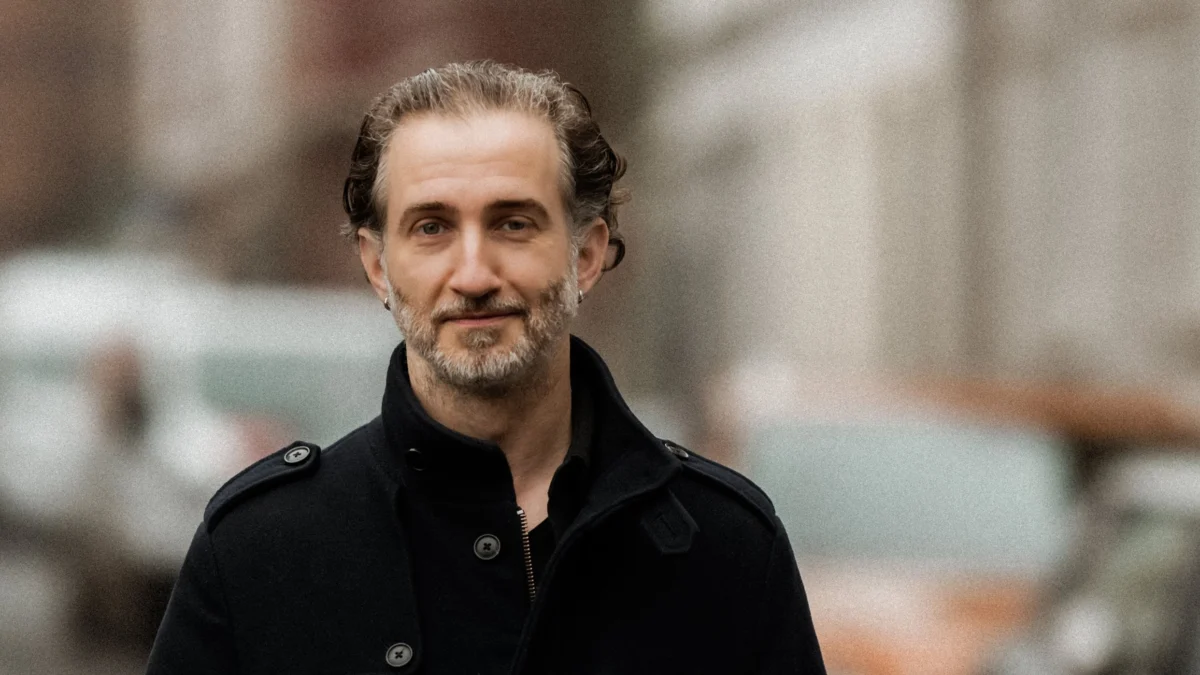
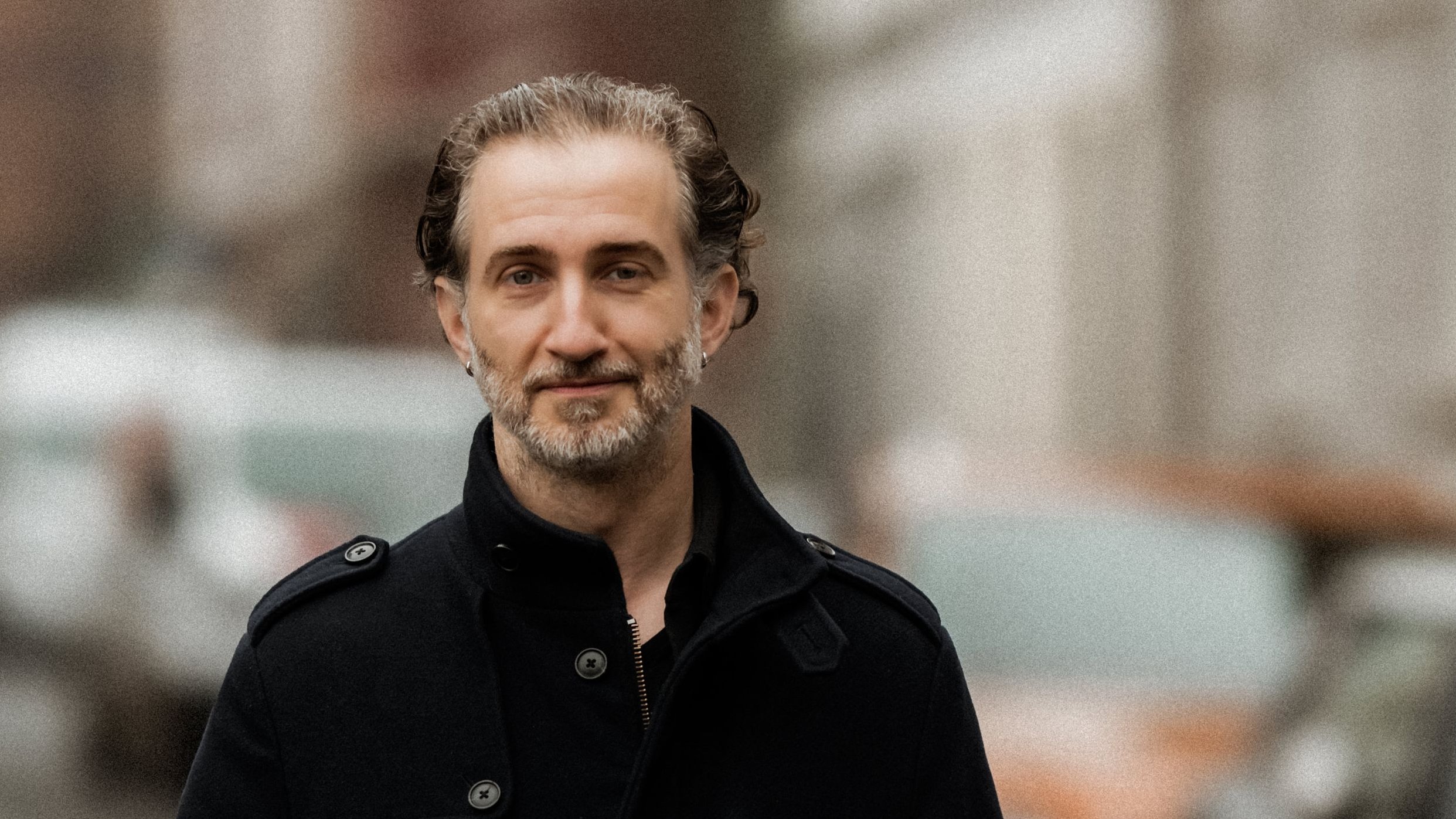
Kai Viehof defies the stereotype of a millionaire. His unassuming demeanor, marked by a slight build, a casually tousled beard, and subtle ear piercings, stands in stark contrast to the ostentatious displays often associated with immense wealth. He recently garnered public attention during an ARD talk show discussing inheritance, where he presented a far more reserved perspective than his affluent counterparts, including a prominent electrical engineering entrepreneur from Neuss. Viehof, a 44-year-old from Mönchengladbach, represents a new face among the wealthy who are not focused on accumulating more, but rather on strategically distributing what they possess.
The source of Viehof’s considerable fortune lies in the legacy of his grandfather, Eugen Viehof, who founded the retail chain "Allkauf" in the 1960s. In 1998, the family sold the successful enterprise to Metro AG for approximately one billion German Marks, a transaction that generated substantial wealth for the family. However, when it was his turn to inherit, Kai Viehof made a remarkable decision: he refused his substantial share. This choice positions him within a growing cohort of individuals who, having inherited significant wealth, are actively seeking ways to channel it towards societal benefit rather than personal enrichment.
This movement includes figures like Sebastian Klein, author of "Toxisch reich" (Toxic Rich), who amassed his fortune as a co-founder of the app Blinkist, and Marlene Engelhorn, an heir to the chemical giant BASF. These individuals, by virtue of their inherited wealth, are increasingly vocal about issues of wealth distribution and social equity. According to the German Institute for Economic Research, over half of private assets in Germany are not earned through personal labor but are acquired through inheritance or gifts. The Global Wealth Report 2025 from Boston Consulting Group indicates that only the United States and China surpass Germany in the number of super-rich individuals – those with a net worth exceeding $100 million – who collectively control 27 percent of Germany’s financial assets.
A Conscious Decision to Give Back
Kai Viehof’s journey to this philanthropic stance began early. His father gifted him a significant sum in the mid-double-digit millions during his youth. However, the true inheritance, a fortune estimated to be in the triple-digit millions, was ultimately declined by Kai. This decision wasn’t made lightly; it stemmed from a deep-seated sense of fairness and a desire to avoid the entanglements that often accompany inherited wealth.
"It wasn’t a debate about envy for me," Viehof stated, emphasizing that his motivation transcends mere resentment. "For me, it is a central debate that must also be addressed by those who have profited within the system." This sentiment underscores a broader philosophical shift among some inheritors, who feel a moral obligation to scrutinize and actively re-distribute wealth that was not earned through their own efforts.

The "Allkauf" Legacy and an Early Inheritance
The sale of "Allkauf" in 1998 marked a pivotal moment for the Viehof family. While the exact valuation of Kai Viehof’s initial inheritance is not publicly disclosed, reports suggest it was in the tens of millions of Euros. This early financial endowment, while substantial, was dwarquely overshadowed by the inheritance he would later refuse. At the time of the "Allkauf" sale, Kai was 17 years old. It was during this period that he resolved to donate his future inheritance, though he kept this decision private from his family for some time. He recalls an internal conflict, a struggle to reconcile his burgeoning sense of justice with the immense personal gain offered by his family’s success. His youthful aspiration to join development aid initiatives further highlighted his early concern for global disparities between wealth and poverty.
Refusing the Main Inheritance: A Moral Quandary
The true test of Viehof’s convictions came in his mid-thirties, approximately ten years prior to the article’s publication. He was set to inherit a sum in the triple-digit millions. This time, he formally declined the inheritance. He acknowledges the privilege inherent in such a position, recognizing these as "luxury problems." However, he articulates a complex understanding of the responsibilities that accompany vast wealth, suggesting that legal and moral constraints limit one’s absolute freedom to dispose of such funds as they see fit.
"It was a feeling, a sense of justice," Viehof explained, reflecting on the deep-seated conviction that drove his decision. He wrestled with the idea of having a claim to such vast sums without having contributed to their creation. This internal debate highlights the psychological and ethical challenges faced by inheritors who question the unearned nature of their fortunes.

A Compromise for the Family and a Foundation for Change
The refusal of the main inheritance was not an absolute severance from his family’s financial legacy. His father, Eugen Viehof, established a charitable foundation into which Kai’s triple-digit million inheritance was channeled. Kai himself, however, has no direct administrative role in this foundation; his father serves as its authorized representative. This arrangement reflects a familial compromise, acknowledging the family’s continued interest in philanthropic endeavors while respecting Kai’s personal decision to distance himself from direct control over that specific portion of the wealth.
This arrangement highlights a common thread in discussions of inherited wealth: the tension between individual autonomy and familial expectations. While Kai eschewed direct control over the larger inheritance, he retained the initial, mid-double-digit million inheritance gifted by his father years prior. This amount, he explained, offers him greater flexibility. He intends to keep one-eighth of this sum for himself and his family, providing a financial safety net. The remaining seven-eighths are earmarked for donation and investment in ventures with a strong social impact.
Strategic Philanthropy: Investing in Democracy and Social Impact
Viehof’s philanthropic approach is characterized by a strategic focus on areas he believes are crucial for societal progress. His primary focus is on strengthening democracy, a cause he learned about through organizations like Hate Aid. He believes that without a robust democratic framework, other critical issues, such as climate change, cannot be effectively addressed.
His contributions are not indiscriminate. He meticulously documents his donations, aiming to allocate larger sums to initiatives where he anticipates the greatest impact. For organizations like Hate Aid, he measures success by the number of individuals helped, the legal actions taken against social media platforms, and the overall recognition the organization receives. He views public attacks on Hate Aid by right-wing media outlets as a sign that the organization is making a significant impact, validating his investment.
Viehof also supports organizations like Correctiv, known for its investigative journalism, and Brand New Bundestag, which aims to promote progressive politicians. Additionally, he contributes to the Finanzwende Bürgerbewegung, advocating for fair and sustainable financial markets. His support for these entities reflects a commitment to fostering informed public discourse, promoting political representation, and creating a more equitable economic system.
Impact Investing: Beyond Financial Returns
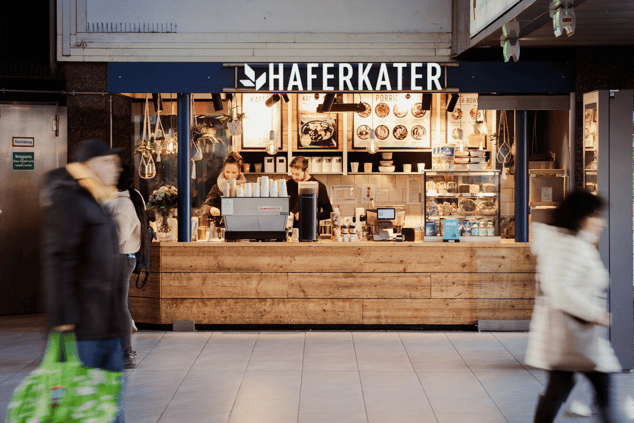
Beyond direct donations, Viehof engages in impact investing, directing funds towards companies that prioritize social or environmental returns over purely financial ones. He provided a €750,000 loan to Vyld, a tampon startup led by women, recognizing the ongoing challenges women-led businesses face in securing funding. He also assisted the porridge startup Haferkater in transitioning to "responsible ownership," a model that prioritizes long-term social and environmental impact. In this case, he helped the company buy back shares of its GmbH, ensuring that profits remain within the company to further its mission.
This approach aligns with a growing trend in philanthropy, where donors seek to leverage their capital to create measurable positive change. Viehof’s investments are often structured as loans with capped returns, acknowledging that capital withdrawn from a company is no longer available for impact. He views this capital as high-risk, already mentally written off, with any returns to be reinvested in new impact ventures.
The Art of Giving: Learning and Adapting
Viehof readily admits that strategic philanthropy is a skill that requires continuous learning and adaptation. He has encountered situations where his investments yielded less impact than anticipated, and where initial generous commitments led to unsustainable structures when public funding waned. This has led him to adopt a more cautious, phased approach to funding, disbursing larger sums over several years. This strategy allows non-profit organizations to plan more effectively and ensures that funds are utilized promptly.
He has also made the difficult decision to withdraw support from certain projects when they did not meet expectations. This process, he acknowledges, underscores the significant power of money and the real-world consequences of such decisions, including job losses for individuals involved. Despite the gravity of these choices, he maintains that they are necessary.

The "In Verbündung" Podcast and Gender Equality
Viehof’s commitment extends beyond financial contributions. He co-hosts the podcast "In Verbündung" (In Alliance) with Helene Wolf, co-leader of "Fair Share of Women Leaders." This initiative champions greater female representation in leadership roles within NGOs, foundations, and social enterprises. Viehof believes that empowering women in leadership is crucial for strengthening democracy by ensuring broader representation and inclusion of half the population. He notes a scarcity of male allies advocating for gender equality and sees his engagement as a model for other men to become actively involved.
His financial support for "Fair Share of Women Leaders" constitutes a significant portion of their annual budget, enabling them to pursue their long-term strategic goals. Wolf highlights that Viehof’s contribution is not only financial but also ideological, offering valuable support and perspective.
Navigating Family Dynamics and Public Scrutiny
Viehof’s decision to redistribute his inherited wealth has not been without its challenges, particularly within his own family. While his relationship with his father has improved, the initial reaction to his philanthropic intentions was met with apprehension. Eugen Viehof, Kai’s father, has reportedly expressed a growing openness to discussions about wealth distribution, a development Kai admires as a sign of progressive thinking.
The broader family network, which also inherited substantial wealth from the "Allkauf" legacy, maintains less frequent contact with Kai. He has consciously sought to avoid a purely transactional relationship with his family, preferring a more allied dynamic. This deliberate choice reflects a desire to foster genuine connection rather than obligation.
The "Lose-Lose" Scenario for Inherited Wealth
Felix Oldenburg, CEO of the foundation startup Bcause, observes that individuals like Kai Viehof are navigating a complex landscape. "Visible engagement is a lose-lose situation for these inheritors," he notes. They face criticism from those who believe they are not donating enough, and from those who argue they are donating too much. Oldenburg highlights that this new generation of inheritors is increasingly aware of global challenges like climate change and democratic crises, leading to a broader scope of philanthropic focus beyond traditional areas like education or culture.
Viehof himself acknowledges the limitations of his influence, tied as it is to the finite nature of his capital. With approximately three-eighths of his accessible funds remaining, he is mindful of his eventual departure from the role of a major donor. He anticipates that this transition will be personally challenging but sees it as a necessary step towards focusing more intensely on his activism for distributive justice.

A Legacy of Change and a Call for Fairness
Kai Viehof’s story is a compelling narrative of an individual grappling with the ethical implications of inherited wealth and actively choosing a path of redistribution and social impact. His journey, marked by introspection, strategic philanthropy, and a commitment to democratic values, offers a glimpse into a new paradigm of wealth management, one that prioritizes collective well-being over private accumulation. His willingness to publicly discuss these complex issues, and to invest in a more equitable future, positions him as a significant figure in the evolving landscape of philanthropy and social activism. His actions serve as a powerful reminder that true wealth may lie not in what one possesses, but in what one chooses to share and how one endeavors to make the world a more just place for all.