Lina Wu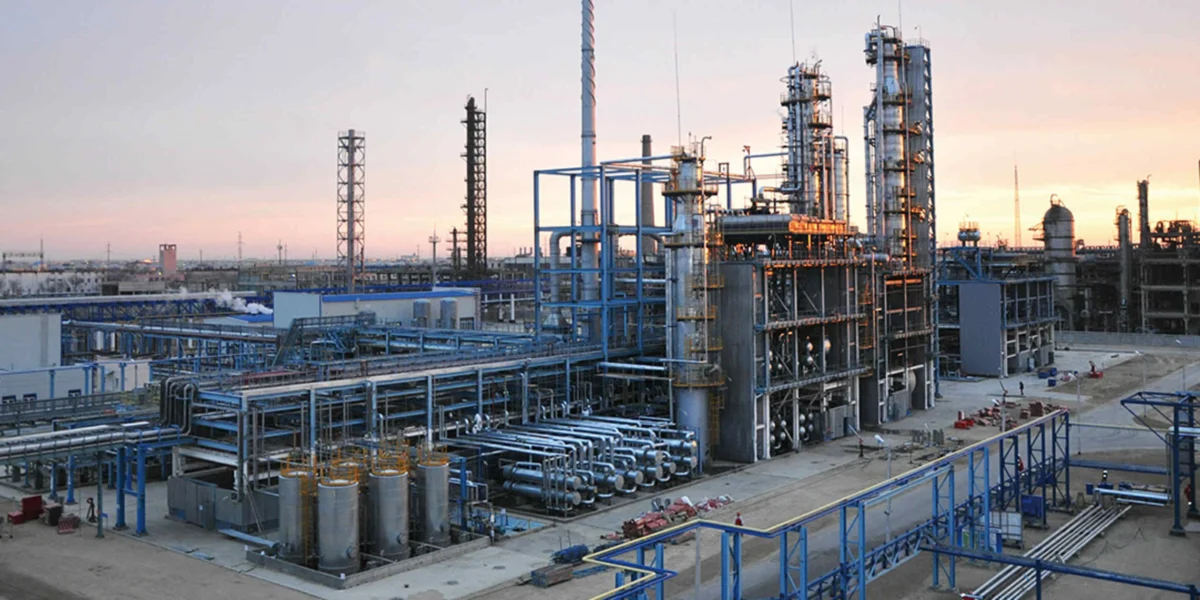
ALMATY, Kazakhstan — Kazakhstan is signaling a decisive shift in its energy landscape, with state-owned entities and their Chinese partner set to assume control over the construction of a critical gas treatment plant at the sprawling Karachaganak field. This move follows a protracted and increasingly acrimonious dispute between the Kazakh government and its long-standing Western partners, Eni and Shell, over the project’s execution and broader operational terms. The impending transition marks a significant recalibration of Kazakhstan’s energy diplomacy, potentially reshaping its relationships with international oil and gas majors and solidifying its strategic alignment with China in key infrastructure development.
The Karachaganak field, one of the world’s largest gas and condensate fields, has been a cornerstone of Kazakhstan’s oil and gas production since its development began in the early 1990s. It is operated by Karachaganak Petroleum Operating B.V. (KPO), a consortium that has historically included Italy’s Eni and the Anglo-Dutch multinational Shell as key stakeholders, alongside American company Chevron and Lukoil of Russia. The proposed gas treatment plant is vital for processing the field’s output, particularly sour gas, and ensuring its efficient delivery to domestic and international markets. However, disagreements over the plant’s design, cost, and timelines have festered for years, culminating in the current standoff.
Genesis of the Dispute and Escalating Tensions
The roots of the current friction can be traced back to initial disagreements over the scope and financial commitments for the new gas treatment plant. Sources close to the negotiations, speaking on condition of anonymity, suggest that Kazakhstan’s national oil company, KazMunayGas, along with its Chinese counterpart, CITIC Group, emerged as potential alternative developers when talks with Eni and Shell reached an impasse. The Kazakh government, under President Kassym-Jomart Tokayev, has increasingly emphasized the need for greater national control over its strategic resource sectors and has been keen to accelerate the development of critical infrastructure projects.
This strategic imperative appears to have clashed with the approaches and perceived interests of the existing KPO partners. Reports indicate that the Kazakh side has grown impatient with what it views as delays and cost overruns associated with the Western partners’ proposals for the gas treatment plant. The government’s stated position is that the current pace of negotiations and project development is insufficient to meet the nation’s growing energy demands and export objectives.
The dispute intensified over the past 18 months, with multiple rounds of high-level discussions failing to yield a breakthrough. Diplomatic channels have been strained, and rhetoric from Astana has become notably sharper. In late 2025, there were widespread reports of Kazakhstan initiating legal proceedings or arbitration against KPO partners concerning alleged breaches of contractual obligations related to the Karachaganak field, although specific details remained confidential. This legal maneuvering signaled a clear intent by the Kazakh government to exert greater leverage.
The Chinese Partnership: A Strategic Pivot
The emergence of KazMunayGas and CITIC Group as the likely successors for the gas treatment plant construction project is a significant development. CITIC Group, a state-owned Chinese conglomerate, has been an increasingly active investor in Kazakhstan’s energy and infrastructure sectors. This partnership signifies a deepening of economic and strategic ties between the two nations, particularly in areas deemed vital for national development and energy security.
CITIC’s involvement is not new to Kazakhstan. The company has previously collaborated with KazMunayGas on other energy infrastructure projects, including oil processing facilities. For instance, a crude oil processing facility in Aktau City, a joint project between KazMunayGas and CITIC, exemplifies their established working relationship and shared ambition in the sector. The choice of CITIC as a partner for the Karachaganak gas treatment plant suggests a preference for a partner perceived as more aligned with Kazakhstan’s developmental pace and financial terms, and one that offers substantial backing for large-scale infrastructure projects.
The rationale behind Kazakhstan’s pivot towards Chinese partners is multifaceted. Firstly, it offers a potential avenue to bypass the protracted negotiations and potential legal entanglements with Eni and Shell. Secondly, Chinese state-owned enterprises often possess the financial muscle and engineering capacity to undertake massive infrastructure projects rapidly, a characteristic that appears to be a priority for Astana. Thirdly, this move aligns with Kazakhstan’s broader foreign policy of diversifying its international partnerships and strengthening its economic ties with East Asia, particularly in the context of the Belt and Road Initiative.
Supporting Data and Field Significance
The Karachaganak field is a behemoth in the global energy market. Discovered in 1979, it commenced production in 1984. By the end of 2023, cumulative production from Karachaganak had surpassed 600 million tonnes of oil equivalent. The field is estimated to hold significant reserves, with current proven and probable reserves of natural gas standing at approximately 1.3 trillion cubic meters, and condensate reserves at around 1.4 billion barrels.
The field’s production profile is dominated by gas, with a significant portion being "sour gas" – gas containing high levels of hydrogen sulfide (H2S). This requires specialized processing to remove the sulfur before the gas can be transported and sold. The proposed new gas treatment plant is crucial for expanding the capacity to handle this sour gas, thereby unlocking further production potential and ensuring compliance with environmental and market specifications.
The current production capacity of the Karachaganak field stands at approximately 17 billion cubic meters of gas and 10 million tonnes of condensate per year. Any expansion or optimization of its processing capabilities directly translates into substantial revenue streams for Kazakhstan and contributes significantly to its export earnings. The government’s eagerness to expedite the gas treatment plant’s construction underscores the economic imperative to maximize the field’s output and capitalize on prevailing global energy prices.
Chronology of Key Events (Inferred and Reported)
- Early 1990s: Development of the Karachaganak field begins with the formation of the KPO consortium.
- Mid-2010s: Initial discussions and feasibility studies for a new gas treatment plant commence as production from the field scales up.
- Late 2020s: Disagreements over the gas treatment plant’s design, cost, and timeline become more pronounced between KPO partners and the Kazakh government.
- Early 2024: Kazakhstan officially signals its dissatisfaction with the progress of negotiations with Eni and Shell, and begins exploring alternative development scenarios.
- Mid-2024: Reports emerge of CITIC Group and KazMunayGas expressing interest in taking over the gas treatment plant project.
- Late 2024 – Early 2025: Kazakhstan reportedly initiates preliminary legal or arbitration proceedings against KPO partners concerning contractual obligations.
- April 2026: News emerges that KazMunayGas and CITIC are set to take over the construction of the gas treatment plant, indicating a falling out with Eni and Shell.
Official Responses and Stakeholder Reactions (Inferred)
While official statements from Eni and Shell regarding the latest developments remain limited, their past actions and the nature of the dispute suggest a complex scenario. It is likely that the companies are engaged in ongoing discussions with the Kazakh government to mitigate potential financial losses and preserve their long-term interests in Kazakhstan. However, the decisive move by Astana to partner with KazMunayGas and CITIC implies that the Western majors may have reached an impasse in their negotiations and are facing significant pressure.
KazMunayGas, as the national champion, would be expected to publicly support the government’s strategic decision, emphasizing the project’s importance for national energy security and economic development. A spokesperson for KazMunayGas might state: "This development underscores our commitment to leveraging domestic expertise and forging strong international partnerships to unlock the full potential of Kazakhstan’s vast hydrocarbon resources. The Karachaganak gas treatment plant is a vital national project, and we are confident in our ability, alongside our esteemed partner CITIC, to deliver it efficiently and effectively."
CITIC Group, typically measured in its public pronouncements, would likely reiterate its commitment to Kazakhstan as a key strategic partner. An official statement could read: "CITIC is pleased to be a part of this significant infrastructure development in Kazakhstan. Our collaboration with KazMunayGas on the Karachaganak gas treatment plant reflects our long-standing dedication to supporting Kazakhstan’s economic growth and energy sector advancement. We look forward to a successful partnership."
The Kazakh government, through its Ministry of Energy or other relevant bodies, would likely frame this move as a necessary step to ensure the efficient and timely development of a critical national asset, while also asserting its sovereign rights in managing its energy resources. A government representative might articulate: "Kazakhstan is committed to maximizing the value of its natural resources for the benefit of its citizens. The decision to proceed with the Karachaganak gas treatment plant construction with KazMunayGas and CITIC reflects our proactive approach to securing energy independence and driving economic progress. We are confident this partnership will ensure the project’s timely completion and operational success."
Broader Implications and Analysis
The implications of Kazakhstan’s decision to sideline Eni and Shell from the Karachaganak gas treatment plant project are far-reaching.
For Kazakhstan:
- Increased State Control: The move signifies a strong assertion of state control over strategically important energy infrastructure, aligning with a global trend of resource nationalism.
- Deepened Ties with China: The partnership with CITIC reinforces Kazakhstan’s strategic pivot towards China, potentially leading to further collaboration in other sectors.
- Economic Benefits: Accelerating the gas treatment plant’s construction is expected to boost production, enhance export revenues, and create domestic employment opportunities.
- Potential for Legal Challenges: While Kazakhstan appears to be moving forward decisively, there remains a possibility of protracted legal disputes with Eni and Shell, which could have financial and reputational consequences.
For International Oil and Gas Majors:
- Shifting Investment Landscape: The decision serves as a stark reminder to international majors of the evolving geopolitical and economic dynamics in resource-rich nations. It highlights the importance of aligning with national development priorities and demonstrating flexibility in project execution.
- Risk Assessment: Future investment decisions in Kazakhstan and similar markets may be influenced by this development, with companies reassessing their risk appetites and negotiation strategies.
- Diversification of Partnerships: For Eni and Shell, this event may prompt a strategic review of their operations in Kazakhstan and a potential acceleration of diversification efforts in other regions.
For the Global Energy Market:
- Supply Chain Stability: The successful and timely completion of the gas treatment plant is crucial for ensuring the continued and potentially increased supply of gas and condensate from Central Asia to international markets.
- Geopolitical Dynamics: The increased role of Chinese state-owned enterprises in major energy projects in Kazakhstan has broader geopolitical implications, potentially influencing regional energy flows and the influence of various global powers.
In conclusion, Kazakhstan’s bold move to replace Western partners with its state-owned entity and a Chinese conglomerate in the Karachaganak gas treatment plant project signals a significant shift in its energy policy and international partnerships. This development is driven by a desire for greater national control, accelerated development, and a strategic alignment with China, while presenting new challenges and opportunities for all stakeholders involved in the global energy arena. The coming months will be critical in observing the implementation of this new partnership and its ultimate impact on one of the world’s most significant gas fields.