Lina Wu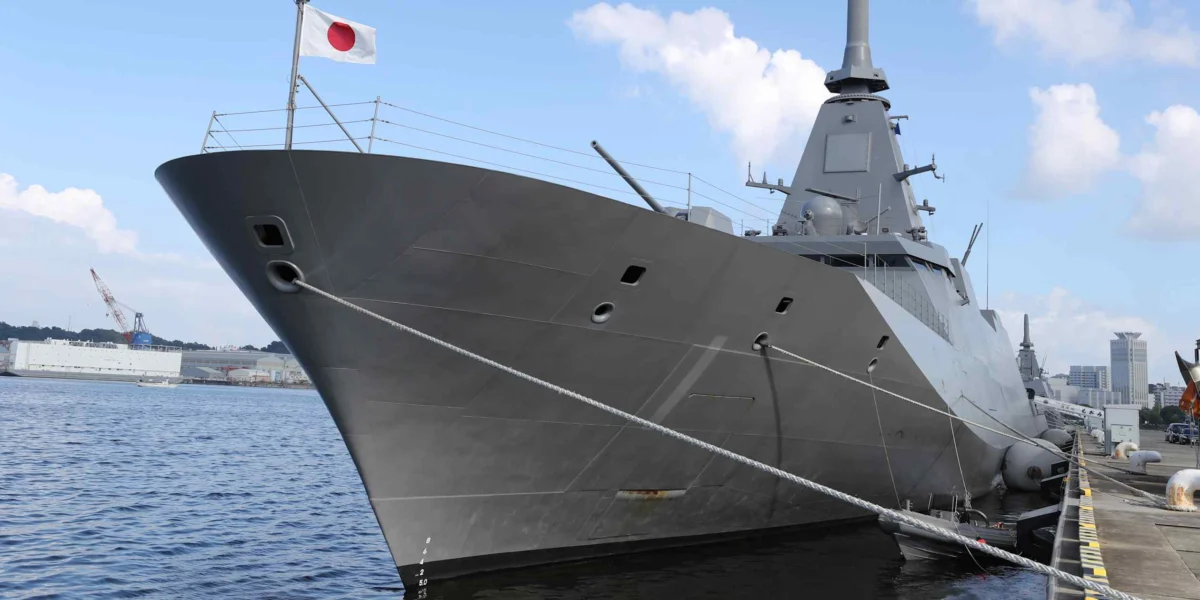
CANBERRA/MELBOURNE — Australia and Japan on Saturday officially cemented a landmark defence contract, with Mitsubishi Heavy Industries selected to construct the first three of Australia’s new generation of general-purpose frigates. The monumental A$20 billion ($14.3 billion) project, signed in Canberra, signifies a significant deepening of defence industry collaboration between the two Indo-Pacific nations and underscores a shared commitment to regional security.
This historic agreement marks a pivotal moment in Australia’s naval modernisation efforts and heralds a new era of strategic partnership with Japan, a nation increasingly asserting its role in maintaining a free and open Indo-Pacific. The contract, finalized after years of complex negotiations and rigorous evaluation, will see Mitsubishi Heavy Industries, a titan of Japanese heavy industry, leverage its proven expertise in naval shipbuilding to deliver advanced platforms for the Royal Australian Navy (RAN).
A New Era of Naval Power for Australia
The frigates, designated as the Hunter-class (initially planned under a different program, now re-envisioned), will be based on the highly capable Mogami-class design, a modern multi-mission frigate already in service with the Japan Maritime Self-Defense Force (JMSDF). The Mogami-class is renowned for its stealth characteristics, advanced sensor suites, and versatile combat capabilities, making it well-suited to the diverse operational demands of the RAN in the contemporary maritime environment.
The decision to award the contract to Mitsubishi Heavy Industries follows a comprehensive competitive evaluation process, which included consideration of several international naval design and construction proposals. Australia’s Defence Minister, Richard Marles, emphasized the strategic significance of the partnership during the signing ceremony. "This contract represents more than just the acquisition of new vessels; it is a testament to the enduring strength of the friendship and shared values between Australia and Japan," Minister Marles stated. "By working together, we are not only enhancing our respective defence capabilities but also contributing to the stability and security of our region."
The initial order for three frigates is expected to be followed by further options, potentially bringing the total number of vessels to nine, as part of Australia’s broader naval expansion plan. This ambitious program aims to replace aging Anzac-class frigates and other platforms, ensuring the RAN maintains a modern, capable, and relevant fleet for decades to come.
The Genesis of a Strategic Partnership: A Chronology
The path to this significant defence contract has been a deliberate and strategic one, evolving over several years. Key milestones include:
- Early 2010s: Discussions begin between Australia and Japan regarding enhanced defence cooperation, driven by a growing recognition of shared strategic interests in the Indo-Pacific.
- 2016: The Japan-Australia Acquisition and Cross-Servicing Agreement (ACSA) is signed, facilitating smoother defence logistics and interoperability between the two nations’ armed forces.
- 2018: Australia launches its Future Frigate Program, initially opting for a design based on the Type 26 Global Combat Ship from BAE Systems. However, concerns over cost, schedule, and industrial capability led to a significant review.
- 2020-2021: The Australian government announces a major restructure of its naval shipbuilding strategy, including the cancellation of the initial Future Frigate Program and the initiation of a new approach focused on acquiring General Purpose Frigates. Japan’s Mogami-class design emerges as a leading contender.
- 2022-2023: Intensive negotiations and design finalisation discussions take place between the Australian Department of Defence, Mitsubishi Heavy Industries, and relevant Australian industry stakeholders. This period also involved detailed assessments of industrial transfer and sovereign capability development.
- Late 2023: The Australian government formally announces its intention to select the Mogami-class design and negotiate a contract with Mitsubishi Heavy Industries.
- April 18, 2026: The official contract signing ceremony takes place, marking the commencement of the build phase.
This timeline highlights Australia’s commitment to a robust and considered approach to naval procurement, prioritizing capability, value for money, and strategic alignment with key allies. The shift from the initial Type 26 based program to the Mogami-class reflects a dynamic adaptation to evolving defence requirements and a pragmatic assessment of available technologies.
Supporting Data and Technological Prowess
The Mogami-class frigate, upon which Australia’s new vessels will be based, represents a significant leap in naval technology. Designed with a focus on reduced manning, increased automation, and enhanced survivability, these ships offer a compelling blend of operational efficiency and combat effectiveness.
Key characteristics of the Mogami-class include:
- Displacement: Approximately 5,500 tonnes.
- Length: Around 133 meters.
- Armament: Expected to include a main gun, vertical launching system (VLS) for surface-to-air and surface-to-surface missiles, anti-ship missiles, torpedoes, and close-in weapon systems. The specific Australian configuration will be tailored to RAN requirements.
- Sensors: Equipped with advanced radar systems, sonar, and electronic warfare suites, providing comprehensive situational awareness.
- Stealth Features: Incorporated design elements to reduce radar cross-section and acoustic signature, enhancing survivability in contested environments.
- Automation: High degree of automation in operations and maintenance, leading to reduced crew requirements and improved operational tempo.
- Versatility: Capable of a wide range of missions, including anti-submarine warfare (ASW), anti-surface warfare (ASuW), anti-air warfare (AAW), mine countermeasures, and intelligence, surveillance, and reconnaissance (ISR).
The A$20 billion contract not only covers the construction of the vessels but also encompasses associated support, training, and the development of Australian industrial capabilities for through-life support. This comprehensive approach aims to ensure long-term sustainability and enhance Australia’s sovereign defence industrial base.
Official Responses and Strategic Implications
The announcement has been met with widespread approval from defence and political circles in both nations. Japanese Prime Minister Fumio Kishida hailed the agreement as a historic step in strengthening the bilateral security relationship. "This contract exemplifies the deepening strategic partnership between Japan and Australia. We are committed to working closely with our Australian friends to ensure the security and prosperity of the Indo-Pacific," Prime Minister Kishida stated in a press release issued from Tokyo.
In Australia, the deal is seen as a crucial element of the Albanese government’s commitment to strengthening national defence and fostering greater regional security cooperation. The Minister for Defence Industry, Pat Conroy, highlighted the significant economic benefits for Australia. "This project will deliver high-skilled jobs and drive innovation within our shipbuilding industry," Minister Conroy said. "It represents a substantial investment in our sovereign capability, ensuring that Australia can design, build, and maintain its own advanced naval assets."
The implications of this contract extend far beyond the immediate naval capabilities of Australia and Japan. It signals a clear message of intent regarding the evolving security architecture of the Indo-Pacific.
- Enhanced Deterrence: The acquisition of modern frigates will bolster Australia’s ability to deter aggression and respond effectively to maritime security challenges, including freedom of navigation operations and maritime domain awareness.
- Interoperability: The adoption of a Japanese-designed platform will significantly enhance interoperability between the RAN and the JMSDF, facilitating joint operations and exercises. This is particularly relevant in the context of increasing regional assertiveness.
- Industrial Collaboration: The project opens avenues for deeper industrial collaboration, potentially leading to joint research and development, technology transfer, and shared production opportunities in the future. This can foster a more resilient and integrated defence industrial ecosystem in the Indo-Pacific.
- Regional Stability: By strengthening the defence capabilities of two key democratic nations in the region, the contract contributes to overall regional stability and the promotion of a rules-based international order. It underscores the growing importance of multilateral security arrangements and partnerships in addressing complex geopolitical challenges.
- Economic Impact: Beyond direct defence spending, the A$20 billion investment is expected to generate significant economic benefits through job creation, skills development, and the stimulation of related industries. This economic dimension is crucial for building broad public support for defence modernization.
The Path Forward: A Commitment to Sovereign Capability
While the contract signing is a momentous occasion, the real work of shipbuilding and the integration of these new vessels into the RAN fleet lies ahead. Mitsubishi Heavy Industries will be responsible for the initial construction phase, with a significant portion of the program intended to be undertaken in Australia, leveraging and developing local shipbuilding expertise.
This commitment to Australian industry is a critical component of the deal, aiming to build a sustainable and sovereign shipbuilding capability. The project is expected to create thousands of jobs across the shipbuilding supply chain, from design and engineering to manufacturing and support services. Furthermore, it provides an opportunity for Australian companies to gain experience in advanced naval technologies and systems, fostering innovation and competitiveness.
The successful delivery of these advanced frigates will be a testament to the strong and evolving defence relationship between Australia and Japan, a partnership that is increasingly vital for navigating the complex geopolitical landscape of the 21st century. The A$20 billion investment is not just about acquiring ships; it is about forging a more secure and prosperous future for both nations and the wider Indo-Pacific region.