Gilang Muhammad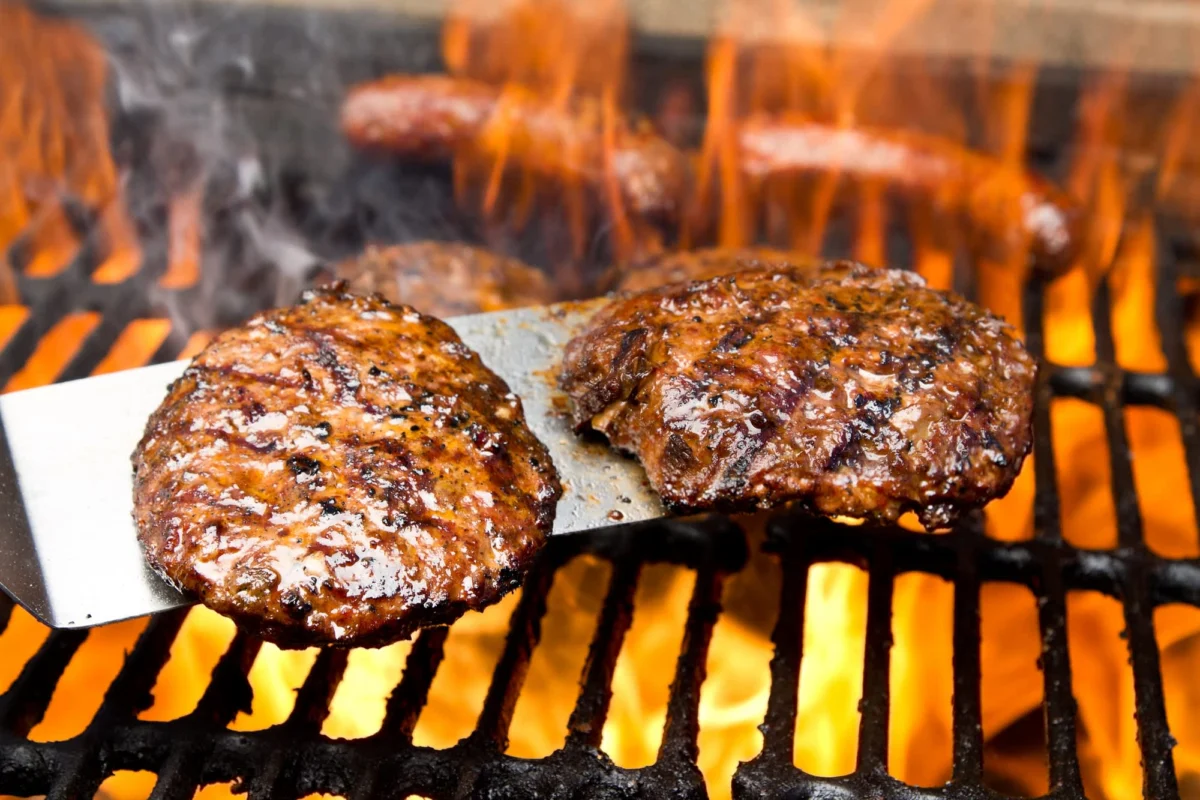
Live cattle futures surged to unprecedented levels on Tuesday, reaching an all-time high of $2.51 per pound on the CME Group, a stark indicator of the deepening crisis facing the beef industry and a foreboding sign for consumers preparing for summer grilling season. This record-breaking price, the highest recorded since tracking began in the 1960s, represents a dramatic increase of more than 25% over the past 12 months, driven by a confluence of factors including a significantly reduced national cattle herd, persistent drought conditions, and a steep rise in operational costs for ranchers and producers. The ripple effects are already being felt at the grocery store, where the average retail price of ground beef climbed to approximately $6.70 per pound in March, marking a 12% increase from the previous year and setting new records for hamburger meat dating back to 1984.
The Unprecedented Surge: A Deep Dive into Market Dynamics
The commodity markets have been signaling this upward pressure for some time. The live cattle futures contract, representing 40,000 pounds of slaughter-ready cattle, closed at $2.51 per pound on Tuesday, May 21st, 2026, according to FactSet data. While prices saw a marginal dip in Wednesday’s session, the underlying trend remains firmly upward. This surge has baffled some market observers, particularly given that other protein sources like eggs and chicken have recently seen price declines following last year’s H5N9 bird flu outbreak. Bank of America analyst Sara Senatore highlighted this divergence in a recent client note, underscoring beef’s unique position in the current inflationary environment. The contrast suggests that the forces driving beef prices are distinct and deeply rooted in its specific supply chain vulnerabilities.
Historically, beef prices have shown cyclical patterns influenced by herd sizes and feed costs. However, the current trajectory appears to be a departure from typical market fluctuations, pushing beyond previous peaks set during periods of robust demand or temporary supply shocks. The sustained nature of the increase indicates a fundamental imbalance that is unlikely to correct itself quickly. This phenomenon is particularly concerning because beef, a staple in many American diets and a centerpiece of seasonal celebrations, is proving stubbornly resistant to broader deflationary trends observed in other food categories. The sustained upward pressure on wholesale prices inevitably translates into higher retail costs, directly impacting household budgets and forcing consumers to make difficult choices.
Roots of the Crisis: A Shrinking Herd and Environmental Pressures
At the heart of the current crisis is a severely depleted national cattle herd, which now stands at its smallest size since the 1950s. This historical comparison is particularly stark when considering that the U.S. population has more than doubled since that era, meaning the per capita availability of beef is at a multi-decade low. The reduction in herd size is not a sudden event but rather the culmination of several years of challenging conditions for cattle ranchers.
One of the primary culprits has been prolonged and widespread drought across key cattle-producing regions, particularly in the Western and Southwestern United States and the Great Plains. These regions, vital for grazing and forage production, have experienced arid conditions that have decimated pastureland and driven up the cost of hay and supplemental feed. Faced with insufficient natural forage and prohibitively expensive feed, many ranchers have been forced to liquidate portions of their herds through increased culling, selling off breeding stock, or sending cattle to slaughter earlier than planned. This strategic reduction, while necessary for short-term financial survival for individual ranchers, collectively contributes to a long-term deficit in the national herd.
According to estimates from Barclays, supported by data from the U.S. Agriculture Department, cattle slaughter plummeted to 2.2 million head in March 2026, a significant drop from 2.5 million in the same period last year. Concurrently, beef production also slid by 300,000 pounds, settling at 1.9 million pounds over the same timeframe. These figures vividly illustrate the direct consequence of a smaller herd: less beef making it to market. Rebuilding cattle herds is a slow, multi-year process, typically taking two to three years for a heifer to mature and produce a calf, and then another 18-24 months for that calf to reach market weight. This inherent biological lag means that even if conditions improve today, the supply response will not be immediate, locking in high prices for the foreseeable future.
Rising Input Costs: A Multi-Front Battle for Producers
Beyond the environmental challenges, ranchers and slaughterhouses are grappling with a steep escalation in input costs across various segments of their operations. The agricultural sector, already operating on thin margins, has been particularly vulnerable to global economic and geopolitical shocks.
One significant factor is the surging price of fertilizer, a critical input for cultivating feed crops. The ongoing U.S.-Iran war has disrupted global supply chains and driven up the cost of essential agricultural chemicals, making it more expensive for farmers to grow corn, soy, and other grains that feed cattle. A survey released Tuesday by the American Farm Bureau Federation revealed the dire situation, with nearly 60% of U.S. farmers reporting that their financial situation was worsening due to these rising costs. Many respondents indicated that they could not afford the necessary quantities of fertilizer for their fields, which could lead to lower crop yields and further exacerbate feed scarcity.
Fuel costs represent another substantial burden. The U.S.-Iran conflict has also exerted upward pressure on global oil prices, directly impacting the cost of operating farm machinery, transporting livestock, and distributing processed beef. For ranchers, higher diesel prices mean increased expenses for everything from tilling fields and irrigating crops to moving cattle between pastures. For slaughterhouses and distributors, elevated fuel costs translate into higher transportation expenses, which are ultimately passed down the supply chain to consumers.
Furthermore, labor shortages and rising wages in the agricultural and meat processing sectors have added another layer of cost pressure. The demanding nature of the work, coupled with a shrinking rural workforce, has made it challenging for producers to find and retain skilled labor without offering competitive compensation, further squeezing profit margins. Veterinary care, equipment maintenance, and land lease rates have also seen incremental increases, collectively contributing to a hostile economic environment for beef producers. These cumulative operational challenges make it difficult for ranchers to expand their herds or even maintain current levels, creating a feedback loop that sustains the supply deficit.
Consumer Resilience Amid Sticker Shock: A Deeper Look at Demand
Despite the relentless upward pressure on prices, consumer demand for beef has shown remarkable resilience. Barclays analyst Benjamin Theurer noted to clients that demand has held steady even in the face of lower production levels and escalating costs. This observation suggests that for many American consumers, beef holds a significant cultural and culinary value that makes it less elastic to price changes compared to other food items.
The appeal of a classic hamburger, a juicy steak, or a hearty roast transcends mere nutritional value for many households. Beef is often central to social gatherings, family meals, and celebratory occasions, particularly during popular grilling seasons like summer holidays. This ingrained cultural significance means that consumers may be willing to absorb higher costs, at least up to a certain point, rather than forego their preferred protein.
However, "holding steady" does not necessarily mean consumers are buying the same quantity or cuts of beef. It often implies a shift in purchasing habits. Consumers might be buying smaller portions, opting for less expensive cuts of meat, or reducing the frequency of their beef purchases. For instance, instead of buying premium steaks, they might choose ground beef or cheaper roasts. Some might be shifting their grocery budget from other categories to accommodate beef, while others might be seeking out sales or alternative retailers. The demand might be holding steady in terms of overall market presence, but the underlying consumer behavior is likely adapting to the new price reality. This resilience, while good for producers in the short term, also contributes to the sustained high prices by preventing a significant demand-side correction that could otherwise alleviate some of the inflationary pressure.
Ripple Effects: The Restaurant Industry and Broader Economic Impact
The impact of beef inflation extends far beyond individual households, posing significant challenges for the restaurant industry, especially chains with high exposure to beef-centric menus. Bank of America’s Sara Senatore specifically pointed to major players like McDonald’s, Chipotle, Shake Shack, and Cracker Barrel as potentially suffering weaker same-store sales growth due to rising beef costs.
These establishments face a difficult dilemma: absorb the increased ingredient costs, which erodes their profit margins, or pass them on to consumers through higher menu prices, which risks alienating customers and reducing sales volume. Many chains are likely to employ a combination of strategies, including minor price increases, menu adjustments (e.g., offering smaller portions, promoting chicken or plant-based alternatives, or reformulating recipes to use less beef), and renegotiating supplier contracts. However, for chains whose brand identity is heavily tied to beef offerings, such as a burger joint or a steakhouse, these adjustments can be particularly challenging without compromising their core appeal. The result could be a noticeable slowdown in growth for these sectors, impacting employment and overall economic activity in the service industry.
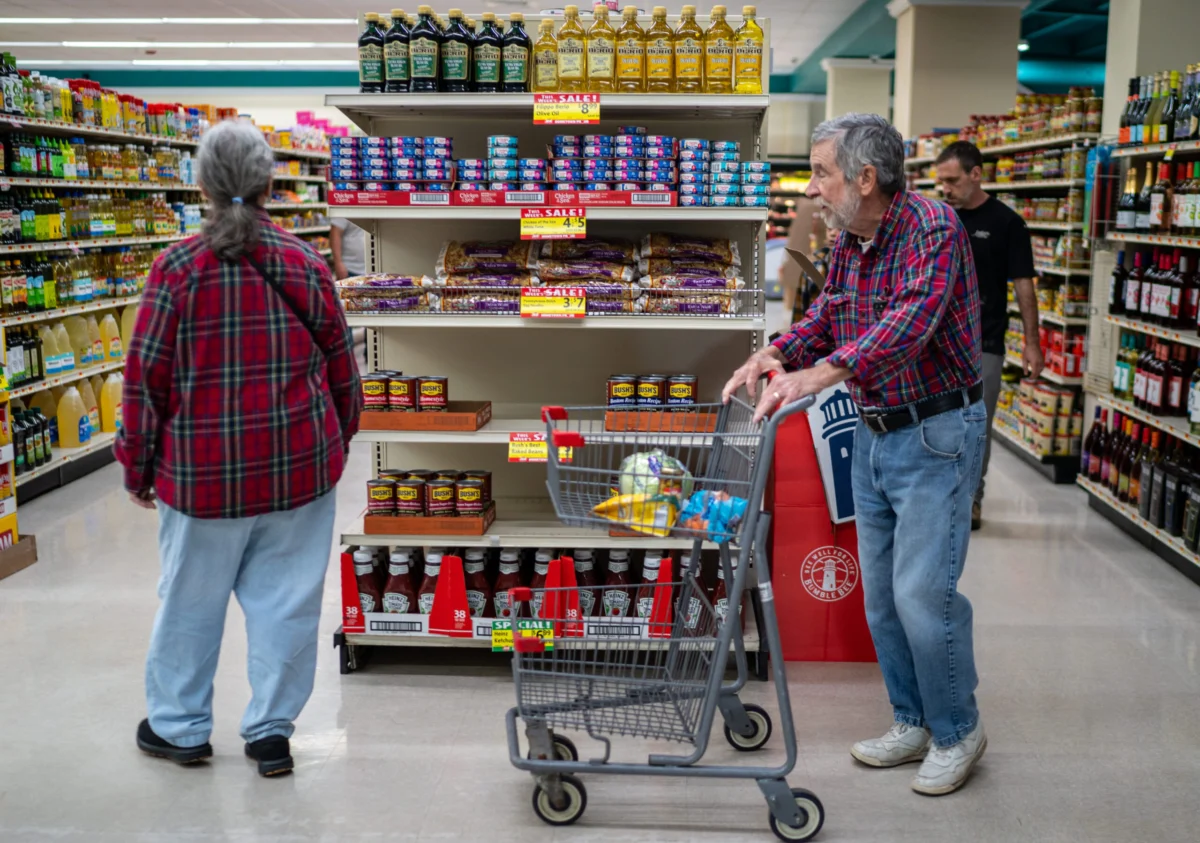
The inflationary pressures are not isolated to beef alone. Consumers preparing for Memorial Day barbecues will likely encounter sticker shock across other grocery store aisles as well. Tomato prices, for instance, spiked approximately 15% in March, reaching levels not seen in over eight years. This increase threatens the affordability of popular items like BLTs and salads, further squeezing household budgets already strained by beef prices. This broader inflationary trend in fresh produce, often linked to adverse weather conditions, transportation costs, and labor challenges, suggests a more systemic issue within the food supply chain, intensifying the financial burden on consumers and potentially leading to shifts in dietary patterns over the long term.
Looking Ahead: Outlook and Potential Solutions
The current beef price crisis is a complex issue with no quick fixes. Analysts generally agree that a significant reduction in prices will not occur in the immediate future due to the long lead time required to rebuild cattle herds. Even with favorable weather conditions and stabilized input costs, it will take several years for the national herd to recover to levels that could substantially alleviate supply pressures.
Several factors will influence the trajectory of beef prices. Crucially, a sustained period of improved weather conditions, particularly significant rainfall in drought-stricken regions, is essential for pasture regeneration and the replenishment of water sources. This would reduce the reliance on expensive supplemental feed and encourage ranchers to retain more breeding stock. Furthermore, stabilization or a decline in global energy and fertilizer prices would significantly reduce operational costs for producers, making it more financially viable to expand herds.
Government intervention could also play a role. Potential policy considerations include enhanced drought relief programs for ranchers, targeted subsidies to offset high feed or fertilizer costs, and strategic trade policies that balance domestic supply with export demands. Efforts to diversify agricultural production and invest in climate-resilient farming practices could also contribute to long-term stability.
In the long term, the sustained high prices for beef might catalyze shifts in consumer preferences and agricultural practices. Consumers might increasingly explore alternative protein sources, leading to a more diversified diet. The agricultural sector might see accelerated adoption of sustainable ranching practices, including rotational grazing and improved water management, to build greater resilience against future environmental shocks. However, for the foreseeable future, the American consumer and the restaurant industry must brace for continued elevated beef prices, navigating a market shaped by environmental realities, geopolitical tensions, and the fundamental economics of supply and demand. The traditional summer barbecue, once a casual affair, may increasingly become a testament to careful budgeting and strategic grocery shopping.