Lina Wu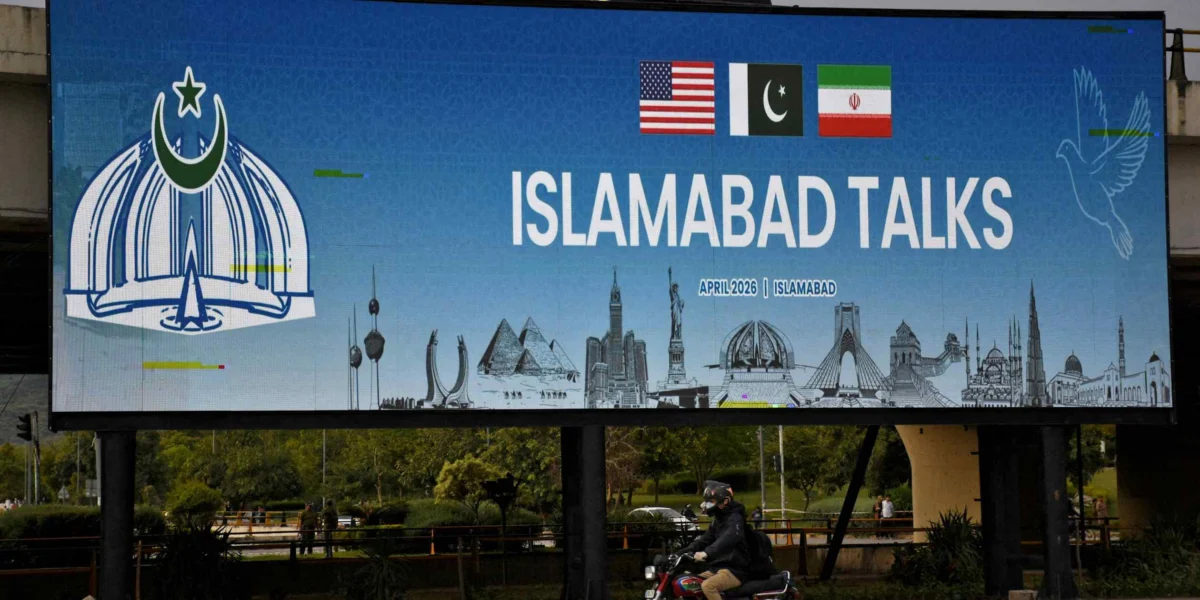
ISLAMABAD – Pakistani officials are exerting significant diplomatic pressure to convene a second round of U.S.-Iran peace talks in Islamabad within the coming days, aiming to secure a breakthrough before the current two-week ceasefire expires on April 21st. The urgency stems from the failure of the inaugural round of negotiations held last weekend to yield a comprehensive agreement, leaving the fragile peace brokered by Pakistan hanging precariously in the balance. Sources within the Pakistani government, speaking on condition of anonymity due to the sensitivity of the ongoing diplomatic efforts, have indicated a heightened sense of optimism that a follow-up session can be arranged, though the specifics of the agenda and potential participants remain fluid.
Background to the Islamabad Initiative
The current diplomatic push is a culmination of months of behind-the-scenes maneuvering and Pakistan’s persistent efforts to position itself as a neutral mediator in the escalating tensions between the United States and Iran. The U.S.-Iran relationship has been fraught with challenges for decades, marked by mutual distrust, sanctions, proxy conflicts, and a volatile nuclear program. The most recent period of heightened tension began in late 2025, following a series of escalations, including alleged cyberattacks and naval incidents in the Strait of Hormuz, which threatened to destabilize the global energy market.
Pakistan, a geographically proximate and historically complex neighbor to both nations, has long advocated for de-escalation and dialogue. The decision to host the initial talks was a bold diplomatic gambit, leveraging its non-aligned stance and its established channels of communication with Tehran. The first round, held from April 12th to April 14th, involved high-level delegations from both the U.S. and Iran, though details of their specific mandates and the extent of their negotiation authority were not publicly disclosed. The immediate outcome was the announcement of a two-week ceasefire, a modest but significant achievement that offered a glimmer of hope amidst a landscape of escalating confrontation.
A Race Against Time: The Ceasefire Deadline
The current two-week ceasefire, initiated on April 7th, represents the critical window of opportunity for Pakistan’s diplomatic corps. The objective of this pause in hostilities was to create a conducive environment for substantive negotiations and to prevent any further actions that could derail the peace process. However, the failure to reach a substantive agreement during the first round has amplified the pressure on Islamabad to facilitate a swift resumption of dialogue.
"We understand the complexities and the deep-seated issues at play," a senior Pakistani foreign ministry official stated to Nikkei Asia. "But the window is closing. We are working around the clock to ensure that both sides see the value in continuing this conversation. The alternative is a return to a dangerous status quo, or worse."
The ceasefire itself was a delicate achievement, reportedly brokered after intense shuttle diplomacy by Pakistani envoys. The terms, while not fully public, are understood to include a cessation of direct military actions, a de-escalation of rhetoric, and a commitment to refrain from provocative measures in strategically sensitive regions. The success of this ceasefire hinges on its adherence by both Washington and Tehran, and any perceived violations could quickly unravel the progress made.
Key Negotiating Points and Sticking Blocks
While the specifics of the U.S.-Iran negotiations remain highly classified, informed analysis suggests that several core issues are likely at the forefront of discussions. These typically include:
- Iran’s Nuclear Program: The U.S. and its allies have long sought verifiable assurances that Iran’s nuclear program is solely for peaceful purposes. Iran, conversely, maintains its right to peaceful nuclear energy and has accused the U.S. and its allies of imposing an unfair burden of inspections and restrictions. A potential agreement would likely involve a re-evaluation of sanctions in exchange for stricter monitoring and limitations on uranium enrichment levels.
- Regional Security and Proxy Conflicts: The U.S. accuses Iran of destabilizing the Middle East through its support for various proxy groups and its involvement in conflicts in Syria, Yemen, and Iraq. Iran, in turn, views these actions as defensive and as a counterbalance to perceived U.S. and Israeli influence. Any lasting peace would necessitate a significant shift in regional dynamics and a commitment from both sides to de-escalate proxy warfare.
- Sanctions Relief: The U.S. has maintained a stringent regime of sanctions against Iran, impacting its economy significantly. Iran has consistently called for the lifting of these sanctions as a prerequisite for substantial concessions. The U.S., however, has often linked sanctions relief to Iran’s behavior on its nuclear program and its regional policies.
- Maritime Security: Incidents in the Persian Gulf and the Strait of Hormuz have been a recurring flashpoint. Both nations have interests in ensuring freedom of navigation, but their approaches and interpretations of international maritime law have often clashed, leading to dangerous standoffs.
The failure of the first round of talks suggests that significant divergences remain on these critical issues. Analysts suggest that the initial discussions may have focused on establishing common ground and identifying areas of potential compromise, but that the harder negotiations on specific commitments and verification mechanisms are yet to commence in earnest.
Pakistan’s Diplomatic Role and Motivations
Pakistan’s proactive engagement in mediating U.S.-Iran talks is driven by a confluence of strategic and economic imperatives.
- Regional Stability: Escalating tensions between the U.S. and Iran directly impact Pakistan’s own security and economic interests. Instability in the region can disrupt trade routes, exacerbate refugee flows, and increase the risk of spillover conflict. A peaceful resolution would significantly enhance regional stability, benefiting Pakistan directly.
- Economic Ties: Pakistan relies heavily on trade and transit routes through the Persian Gulf. Any disruption to maritime shipping or the global energy market due to U.S.-Iran conflict would have severe repercussions for its already fragile economy. Furthermore, successful mediation could open avenues for increased trade and investment opportunities.
- International Standing: Pakistan has long sought to enhance its diplomatic profile on the global stage. By successfully facilitating dialogue between two major global powers, Islamabad aims to position itself as a responsible and influential player in international diplomacy, potentially improving its standing and access to international aid and investment.
- Domestic Political Considerations: A successful peace initiative could also provide a significant boost to the Pakistani government’s credibility and public image at home, demonstrating its capacity to manage complex foreign policy challenges effectively.
Timeline of Events (Inferred)
- Late 2025: A period of heightened U.S.-Iran tensions, marked by alleged cyberattacks and naval incidents, raising global alarm.
- Early 2026: Pakistan initiates intensive diplomatic efforts, engaging both Washington and Tehran in separate discussions to explore the possibility of mediation.
- April 7, 2026: Following weeks of behind-the-scenes negotiations, Pakistan announces a two-week ceasefire agreement between the U.S. and Iran.
- April 12-14, 2026: The first round of U.S.-Iran peace talks is held in Islamabad, brokered by Pakistan. The talks conclude without a comprehensive agreement, but with an extension of the ceasefire under discussion.
- April 15, 2026: Pakistani officials publicly express confidence in their ability to convene a second round of talks before the April 21st deadline.
Reactions and Potential Implications
While official statements from Washington and Tehran have been cautiously optimistic, acknowledging Pakistan’s role, concrete reactions from the U.S. and Iran regarding the proposed second round of talks are still awaited.
- United States: The U.S. administration, under pressure to de-escalate regional tensions and avoid further entanglement in the Middle East, is likely to view Pakistan’s efforts favorably, provided they lead to tangible progress. However, any agreement would need to meet stringent U.S. security requirements, particularly concerning Iran’s nuclear program and its regional activities.
- Iran: Tehran, facing significant economic pressure from sanctions, may see the continuation of talks as an opportunity to secure much-needed sanctions relief. However, Iran’s hardline factions might be wary of making concessions that are perceived as compromising national sovereignty or security interests.
- Regional Powers: Countries like Saudi Arabia and the UAE, while potentially welcoming of de-escalation, will be closely watching the progress of these talks, as any shift in the U.S.-Iran dynamic will have profound implications for regional power balances.
- International Community: The United Nations and other international bodies are likely to express support for Pakistan’s mediation efforts, recognizing the critical importance of preventing further conflict and promoting stability in the Middle East.
The implications of a successful second round of talks, even if it only results in an extended ceasefire and a clearer roadmap for future negotiations, would be significant. It would demonstrate the efficacy of multilateral diplomacy in resolving complex international disputes and would enhance Pakistan’s standing as a credible mediator. Conversely, a failure to reconvene or to achieve any further breakthroughs before the April 21st deadline could plunge the region back into a period of heightened uncertainty and potential confrontation, with far-reaching consequences for global security and economic stability. The coming days are therefore critical for the future of U.S.-Iran relations and the stability of the wider Middle East.