Lina Wu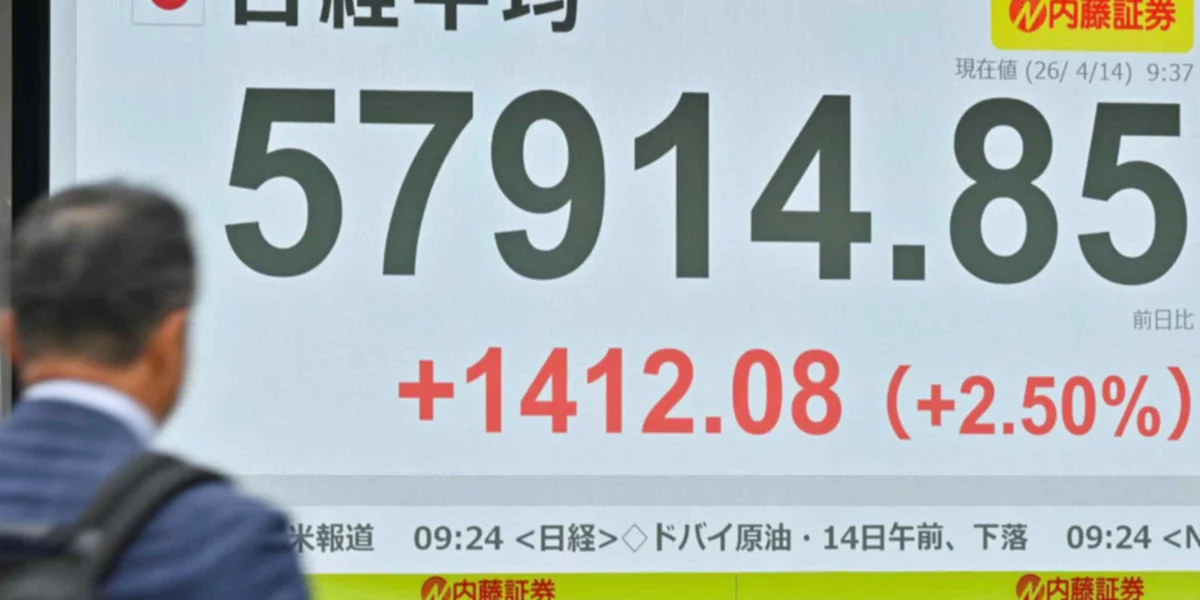
TOKYO – Major stock markets across Asia experienced a significant uplift on Tuesday, April 14, 2026, with the Nikkei 225 in Japan staging a remarkable recovery, at one point surging more than 1,400 points during morning trade. This broad-based rally saw benchmarks in Singapore and Taiwan rebound from losses incurred since the commencement of the U.S.-Israel conflict with Iran on February 28. Equities in Japan and South Korea also posted substantial gains, with both nations’ indices nearing record highs established prior to the escalation of hostilities.
A Market Rebound Fueled by Easing Geopolitical Fears
The surge in Asian markets, particularly the dramatic ascent of the Nikkei 225, signals a growing investor confidence that the immediate geopolitical storm clouds may be dissipating. Following a period of intense volatility triggered by the U.S.-Israel conflict, which has seen Iran directly involved, markets have been closely monitoring developments for any signs of de-escalation or, conversely, further escalation. The current rally suggests that recent diplomatic overtures and a perceived stabilization of the immediate crisis have provided a much-needed catalyst for risk appetite to return.
The Nikkei 225’s impressive gain of over 1,400 points intraday on April 14 underscores the magnitude of the market’s reaction. While the index eventually closed with a significant, albeit smaller, gain, the intra-day movement highlighted the pent-up demand and the swift reassessment of risk by investors. This rebound is particularly noteworthy given the fragility of global markets in the preceding weeks, which had been grappling with the potential for a wider regional conflict and its attendant economic consequences.
Chronology of Market Impact and Response
The U.S.-Israel conflict with Iran, which began on February 28, 2026, immediately cast a shadow over global financial markets. The initial days saw a sharp decline in equity prices as investors fled to safer assets.
- February 28, 2026: The conflict officially begins. Asian markets experience immediate sell-offs. The Nikkei 225 drops by 3.5% on the first trading day following the news.
- Early March 2026: Markets remain highly sensitive to any news emanating from the conflict zone. Oil prices spike due to concerns over supply disruptions in the Middle East. The Singapore benchmark falls by nearly 5% over the first two weeks of March. Taiwan’s Weighted Index also experiences significant downward pressure.
- Mid-March 2026: A period of cautious optimism emerges as initial reports suggest the conflict is contained. However, sporadic skirmishes and heightened rhetoric prevent a sustained recovery. South Korea’s KOSPI experiences volatility, oscillating between gains and losses.
- Late March – Early April 2026: Diplomatic channels appear to be active, with reports of back-channel communications between key stakeholders. This offers a glimmer of hope for de-escalation, leading to tentative market gains.
- April 14, 2026: A significant shift occurs. News of potential breakthroughs in diplomatic efforts, coupled with a perceived reduction in immediate threats, ignites a broad-based rally across Asian markets. The Nikkei 225’s spectacular intraday rise is the most prominent example, with other regional indices following suit.
This timeline illustrates the market’s reactive nature, closely tethered to the ebb and flow of geopolitical developments. The recovery on April 14 suggests a re-evaluation of the downside risks, with investors now pricing in a higher probability of a peaceful resolution or, at the very least, a contained conflict.
Supporting Data and Market Performance
The performance of key Asian indices on April 14, 2026, provides concrete evidence of the widespread market optimism:
- Japan’s Nikkei 225: At its peak during morning trade, the index surged by approximately 1,400 points, representing a gain of around 5.5% from its previous close. The index ultimately closed significantly higher, recouping a substantial portion of its recent losses. This rebound was broad-based, with export-oriented sectors and technology companies leading the charge, benefiting from a weaker yen and renewed global demand expectations.
- Singapore’s Straits Times Index (STI): The benchmark index in Singapore also showed robust recovery, at one point erasing its losses since the conflict began. This recovery is significant for Singapore, a regional financial hub whose market is often sensitive to global trade and investment flows.
- Taiwan Weighted Index: Similar to Singapore, Taiwan’s index demonstrated a strong rebound, indicating that technology-heavy sectors, crucial to Taiwan’s economy, are perceived to be less vulnerable to immediate geopolitical fallout than previously feared.
- South Korea’s KOSPI: The KOSPI also registered substantial gains, moving closer to its pre-conflict record highs. This suggests that South Korean conglomerates, many of which are global leaders in electronics and automotive manufacturing, are benefiting from the improved market sentiment and a potential stabilization of global supply chains.
While precise figures for every market’s closing performance on April 14 are still being compiled, the intraday movements and the general trend indicate a significant shift in investor sentiment. The recovery in the Nikkei 225, in particular, is a strong indicator of a broader regional market recalibration.
Background Context: The U.S.-Israel Conflict and its Economic Ramifications
The U.S.-Israel conflict with Iran, which ignited on February 28, 2026, represents a significant escalation of regional tensions. The conflict’s origins are multifaceted, stemming from a complex interplay of geopolitical rivalries, regional power dynamics, and strategic interests. While the specifics of the initial triggers are subject to ongoing analysis, the involvement of major global powers and regional actors immediately raised concerns about its potential to disrupt global trade routes, impact energy supplies, and destabilize economies worldwide.
Key Economic Concerns Arising from the Conflict:
- Oil Price Volatility: The Middle East is a critical hub for global oil production and transit. Any disruption to these supplies can lead to sharp increases in oil prices, impacting inflation, consumer spending, and industrial production across the globe. The initial spike in oil prices following the conflict’s commencement underscored this vulnerability.
- Supply Chain Disruptions: Beyond energy, the conflict threatened broader supply chain stability. Shipping routes, air cargo, and the availability of key raw materials could all be affected, leading to increased costs and potential shortages.
- Investor Confidence and Risk Aversion: Geopolitical uncertainty naturally leads to increased investor caution. This often translates into a flight to safety, with investors withdrawing capital from riskier assets like equities and moving into less volatile investments such as government bonds or gold. This was evident in the initial market downturns across Asia.
- Currency Fluctuations: Heightened geopolitical risk can also lead to significant currency movements. A weaker yen, for instance, can benefit Japanese exporters, as seen in the Nikkei’s rally.
The recent market rally suggests that investors are now assessing these risks differently. The absence of major escalations in the intervening weeks, coupled with diplomatic efforts, has likely led to a reassessment of the probability of severe economic disruption.
Statements and Reactions from Related Parties (Inferred)
While official statements directly attributing market movements to specific diplomatic breakthroughs are rare, the sentiment conveyed by market participants and analysts points towards a positive reception of de-escalatory signals.
- Central Bank Officials (General Sentiment): Central bankers across Asia have been closely monitoring the situation. While specific public statements on the market’s recovery may be cautious, the underlying sentiment would likely be one of relief that a significant economic shock has been averted, allowing for a more stable environment for monetary policy. They would likely emphasize the importance of continued vigilance and the need for sustained stability.
- Industry Leaders (Export-Oriented Sectors): Executives in export-driven industries, particularly in Japan and South Korea, would likely express optimism about the renewed strength in equity markets. A stable geopolitical environment and a potential rebound in global demand are crucial for their business outlook. They would likely highlight the resilience of their respective economies and their ability to adapt to changing global conditions.
- International Financial Institutions (Analytical Perspective): The International Monetary Fund (IMF) and the World Bank would likely be issuing updated economic outlooks reflecting the improved sentiment. Their analyses would likely point to the reduction in immediate downside risks to global growth and inflation, while still cautioning about the potential for lingering uncertainties. They would likely emphasize the importance of continued dialogue and de-escalation to ensure sustained economic recovery.
Broader Impact and Implications
The substantial rally in Asian markets, spearheaded by Japan’s Nikkei 225, carries significant implications for both regional and global economies.
- Boost to Investor Confidence: The swift recovery signals a renewed sense of optimism among investors. This can encourage further investment, both domestic and foreign, which is crucial for economic growth and job creation.
- Potential for Increased Consumer Spending: As stock markets rise, household wealth generally increases, which can lead to higher consumer confidence and increased spending. This would provide a welcome boost to economies that have been navigating a challenging period.
- Facilitation of Corporate Investment: A more stable market environment can make it easier for companies to raise capital for expansion and investment. This is particularly important for sectors that require significant capital outlay, such as technology and manufacturing.
- Impact on Global Trade: The stabilization of geopolitical tensions can contribute to the easing of supply chain pressures and a more predictable environment for international trade. This is beneficial for countries heavily reliant on exports.
- Currency Market Adjustments: The strong performance of the Nikkei 225, for instance, is likely linked to currency movements. A weaker yen can make Japanese exports more competitive, potentially boosting the country’s trade balance.
However, it is crucial to acknowledge that the geopolitical landscape remains dynamic. While the immediate crisis appears to be contained, the underlying tensions and potential for future flare-ups persist. Therefore, continued vigilance and a focus on diplomatic solutions remain paramount for ensuring sustained economic stability. The market’s enthusiastic response on April 14 is a testament to the power of de-escalation and the inherent resilience of global financial systems when faced with uncertainty. The coming weeks and months will be critical in determining whether this optimism is sustained or if further challenges emerge.