Lina Wu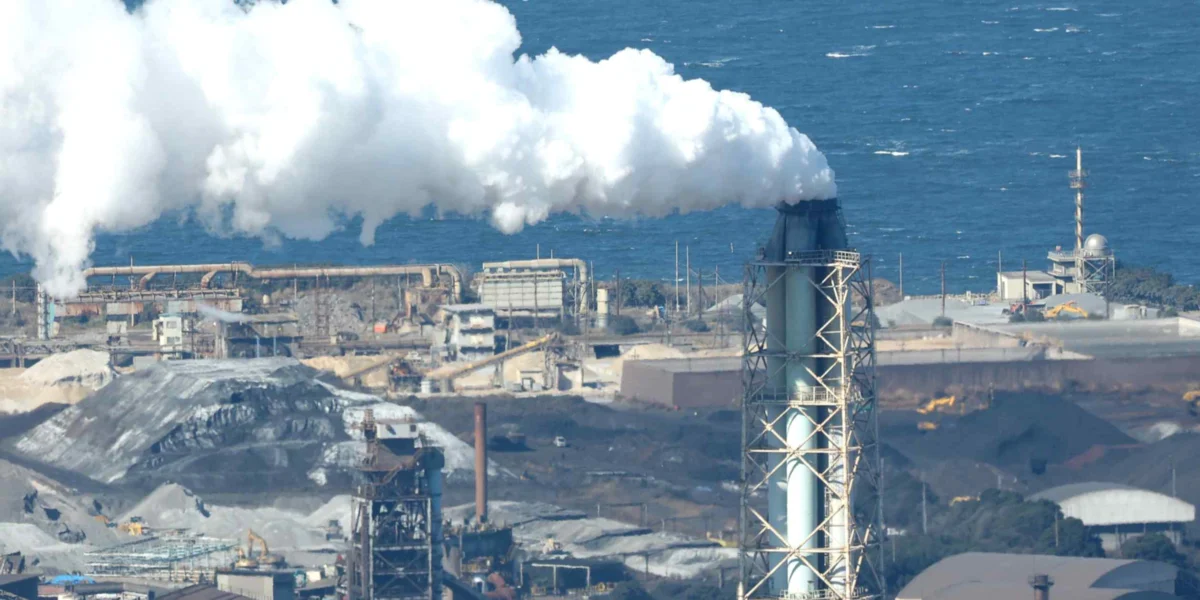
The Japanese government is poised to temporarily ease operational restrictions on its fleet of coal-fired power plants as a critical measure to mitigate the growing risk of an energy shortage. This strategic shift, confirmed by sources close to the matter, comes as escalating geopolitical tensions in the Middle East disrupt vital oil and gas supplies flowing through the Strait of Hormuz. The decision underscores Japan’s deep-seated reliance on imported fossil fuels and the precariousness of its energy security in the face of global instability.
The Looming Specter of an Energy Shortage
Japan, a nation heavily dependent on external sources for its energy needs, has long grappled with the challenge of maintaining a stable and affordable power supply. The current situation, exacerbated by the ongoing conflict in the Middle East, has brought this vulnerability into sharp relief. The Strait of Hormuz, a critical chokepoint for global energy trade, has become a focal point of concern, with potential disruptions threatening to significantly curtail the flow of liquefied natural gas (LNG) and crude oil destined for Japan.
The government’s move to relax regulations on coal-fired power plants is a direct response to these immediate threats. Coal, despite its environmental drawbacks, remains a cornerstone of Japan’s electricity generation. Data from the Ministry of Economy, Trade and Industry (METI) consistently shows that thermal power plants, predominantly coal-fired, account for approximately 70% of the nation’s electricity output. This significant reliance means that any interruption to the supply chains of oil and gas, the primary fuels for these plants, could rapidly lead to a severe energy deficit, impacting industries, businesses, and households across the country.
A Delicate Balancing Act: Energy Security vs. Climate Goals
This temporary relaxation of coal plant operations presents a complex dilemma for the Japanese government, which has pledged to achieve carbon neutrality by 2050. Coal combustion is a major source of greenhouse gas emissions, and increasing its utilization runs counter to these long-term climate objectives. However, the immediate imperative of ensuring a consistent and reliable power supply for its citizens and economy has evidently taken precedence in the current crisis.
The decision reflects a pragmatic, albeit potentially controversial, approach to energy policy. Officials are reportedly keen to avoid a scenario where rolling blackouts or significant power rationing become a reality. Such disruptions would not only cripple industrial production, which is the backbone of Japan’s export-driven economy, but also cause widespread public inconvenience and potentially social unrest. The energy sector’s stability is intrinsically linked to national security and economic prosperity.
Background: Japan’s Energy Landscape and Middle East Dependencies
Japan’s energy profile is characterized by a scarcity of domestic natural resources. For decades, the nation has been a leading importer of fossil fuels, with a significant portion of its oil and LNG originating from the Middle Eastern region. The Strait of Hormuz alone accounts for approximately 80% of Japan’s crude oil imports and a substantial percentage of its LNG shipments. This geographical dependency has always been a strategic vulnerability, one that has been amplified by recent events.
The conflict in the Middle East, which has intensified in recent months, has raised serious concerns about the safety of maritime transit through this crucial waterway. Shipping routes are under threat, and insurance premiums for vessels transiting the region have surged, further complicating the economics of energy imports. Japan, along with other major energy-importing nations, has been closely monitoring the situation, urging de-escalation and the preservation of free navigation.
Timeline of Evolving Energy Concerns
The current situation is not entirely unprecedented for Japan, which has faced energy challenges in the wake of natural disasters and geopolitical events. However, the confluence of factors currently at play presents a unique set of circumstances:
- Late 2025 – Early 2026: Reports of escalating regional tensions and increased military activity in the vicinity of the Strait of Hormuz begin to surface, raising initial concerns within Japan’s Ministry of Foreign Affairs and METI regarding potential supply chain disruptions.
- February 2026: The geopolitical situation intensifies, leading to a measurable increase in crude oil and LNG prices on global markets. Diplomatic channels are activated, with Japanese officials engaging with regional partners to assess risks and advocate for de-escalation.
- Early March 2026: Direct threats to maritime shipping in the Strait of Hormuz become more explicit, leading to a significant disruption in tanker traffic. Several major shipping companies announce temporary rerouting of vessels, impacting delivery schedules to East Asia.
- Mid-March 2026: Japanese energy providers begin to experience delays in scheduled LNG and oil deliveries. METI initiates contingency planning, including assessing the operational capacity of existing power generation facilities.
- March 2026 (Late): Based on intelligence assessments and supply chain monitoring, the Japanese government concludes that the risk of an imminent energy shortage is significant. Discussions within the cabinet and relevant ministries lead to the decision to temporarily lift operational restrictions on coal-fired power plants.
Supporting Data: Japan’s Energy Mix and Import Reliance
-
Electricity Generation Mix (FY 2023, estimated):
- Thermal Power (Coal, LNG, Oil): ~70%
- Renewable Energy (Solar, Wind, Hydro): ~22%
- Nuclear Power: ~8% (still recovering from post-Fukushima capacity)
-
Fossil Fuel Imports (FY 2023, estimated):
- Crude Oil: Approximately 3.3 million barrels per day, with over 80% sourced from the Middle East.
- Liquefied Natural Gas (LNG): Japan is the world’s largest importer of LNG, with a substantial portion originating from Qatar, Australia, and other nations with shipping routes that may be indirectly affected by Strait of Hormuz instability.
-
Coal Power Plant Capacity: Japan operates a significant number of coal-fired power plants, with a total installed capacity of over 100 gigawatts. Many of these plants have been subject to operational constraints to meet emissions targets.
The data clearly illustrates Japan’s profound dependence on imported fossil fuels for its electricity generation. The ~70% figure for thermal power is particularly telling, highlighting the immediate impact any disruption to fuel supply would have on the nation’s energy grid.
Official Responses and Statements (Inferred)
While no official statements confirming the policy shift were immediately available at the time of reporting, it is highly probable that the government will frame this decision as a temporary, necessary measure to ensure national stability. A METI spokesperson, when reached for comment on general energy security measures, stated, "The government is continuously monitoring the global energy market and working with all stakeholders to ensure a stable energy supply. We are prepared to take all necessary measures to protect our nation’s energy security."
Industry bodies representing power generation companies are likely to welcome the move, albeit with reservations about the long-term implications. A representative from the Electric Power Development Co. (J-Power), a major thermal power producer, might comment along the lines of, "We are committed to meeting the nation’s energy needs. While we are prepared to operate our facilities to ensure grid stability, we also remain committed to our decarbonization goals and look forward to clearer long-term policy direction."
Environmental organizations, however, are expected to express strong disapproval. A spokesperson for Greenpeace Japan is likely to issue a statement such as, "This decision is a dangerous step backward in Japan’s fight against climate change. Relying more heavily on coal, even temporarily, locks in emissions and undermines the urgent transition to clean energy that is essential for our planet’s future."
Broader Impact and Implications
The temporary relaxation of coal plant restrictions carries several significant implications:
- Environmental Repercussions: An increase in coal-fired power generation will inevitably lead to higher carbon dioxide emissions, potentially setting back Japan’s progress towards its climate targets. This could draw criticism from the international community, particularly during future climate summits.
- Economic Considerations: While ensuring energy supply is paramount, the increased reliance on coal could also have economic consequences. Coal prices can be volatile, and a surge in demand could lead to higher input costs for power companies, potentially translating to increased electricity prices for consumers and businesses.
- Energy Transition Trajectory: This situation highlights the complex realities of energy transitions. While Japan is investing heavily in renewable energy sources like solar and wind, and exploring hydrogen and ammonia co-firing, the current crisis demonstrates that fossil fuels, particularly coal, will likely remain a critical component of the energy mix for some time. The government will need to carefully manage this transition, balancing immediate security needs with long-term decarbonization commitments.
- Geopolitical Signaling: Japan’s decision also sends a signal to global energy markets and geopolitical actors. It underscores the nation’s vulnerability and its willingness to take pragmatic steps to safeguard its economic interests. This could influence diplomatic engagements and energy trade negotiations in the future.
- Public Perception: The government will need to effectively communicate the rationale behind this decision to the public, emphasizing its temporary nature and its critical role in preventing widespread energy disruption. Public understanding and support will be crucial for navigating this sensitive policy adjustment.
In conclusion, Japan’s temporary easing of restrictions on coal-fired power plants is a stark illustration of the interconnectedness of global geopolitics, energy security, and national economic stability. While a pragmatic response to an immediate crisis, it presents a significant challenge to the nation’s climate ambitions and underscores the ongoing complexities of managing a secure and sustainable energy future. The duration and ultimate impact of this policy shift will be closely watched, both domestically and internationally, as the situation in the Middle East continues to evolve.