Lina Wu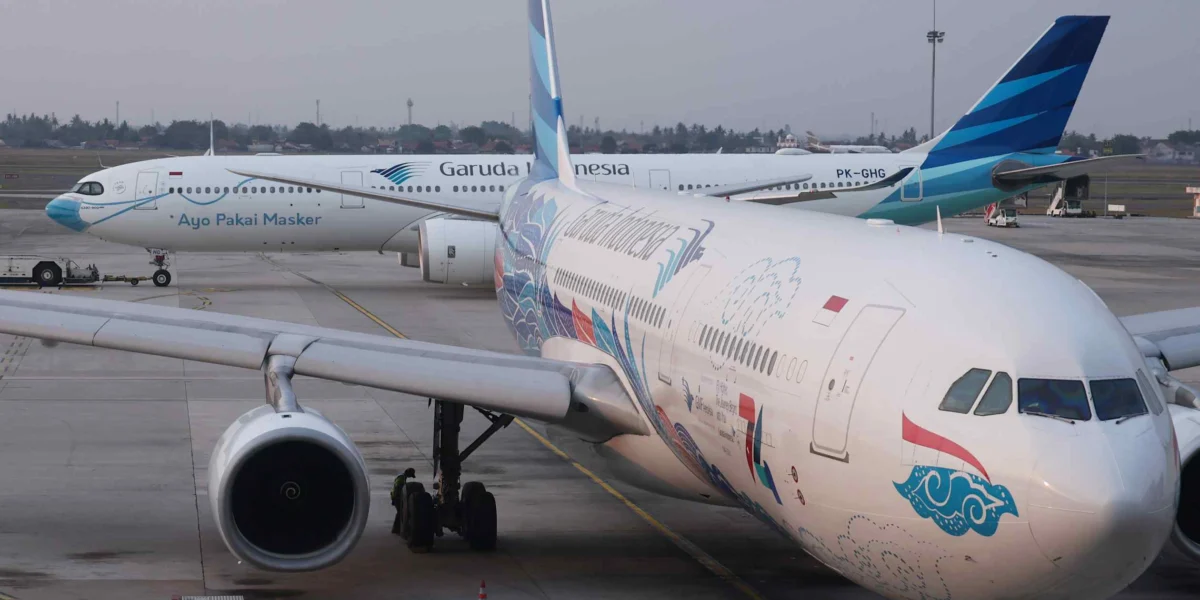
JAKARTA — The Indonesian government has postponed a crucial decision regarding airlines’ urgent appeals to increase the legal ceilings on domestic airfares. This deferral comes despite mounting pressure from the aviation industry, which contends that escalating operating costs, primarily driven by a sustained surge in oil prices, are severely impacting their financial viability. The Ministry of Transportation, the primary regulatory body, has indicated that further deliberation and analysis are required before any adjustments to the fare caps can be considered, leaving airlines in a state of uncertainty as they grapple with profitability challenges.
Industry Voices Concern Over Soaring Operating Expenses
The Indonesian National Air Carriers Association (INACA), a prominent industry body representing major airlines operating within the archipelago, has been a vocal proponent of raising the existing fare caps. Representatives from INACA have repeatedly highlighted the significant financial strain imposed by the consistent upward trend in jet fuel prices. This volatile commodity is the largest single operating expense for most airlines, and its persistent increase directly erodes profit margins, especially for carriers operating on thin operational budgets.
"The current fare ceilings were established at a time when fuel prices were considerably lower," stated a spokesperson for INACA in a recent press briefing. "To maintain operational sustainability and ensure the continued provision of essential air connectivity across Indonesia, a recalibration of these caps is not just desirable, it is a necessity. Our members are facing unprecedented cost pressures, and without relief, the risk to service continuity becomes a tangible concern."
Data from the International Air Transport Association (IATA) has consistently shown that fuel costs can represent anywhere from 20% to 40% of an airline’s total operating expenses, depending on the route and efficiency of the fleet. In Indonesia, a vast archipelago nation where air travel is a critical mode of transportation for both passengers and cargo, this cost component carries even greater weight. Fluctuations in global oil markets, influenced by geopolitical events, supply-demand dynamics, and production decisions by major oil-producing nations, have a direct and immediate impact on Indonesian carriers.
The government, through its regulatory arms, has typically set domestic airfare ceilings to balance the interests of consumers with the need for a viable aviation sector. These caps are often implemented to prevent price gouging and ensure affordability for a broad segment of the population. However, the current economic climate, marked by global inflationary pressures and specific commodity price spikes, has put this delicate balance under severe strain.
A Timeline of Rising Costs and Airline Appeals
The current situation is not an overnight development. For the past eighteen months, Indonesian airlines have been signaling their distress. The initial price shocks for jet fuel began to manifest more acutely in late 2024, driven by a combination of recovering global travel demand post-pandemic and increasing geopolitical tensions impacting oil supply chains. By early 2025, the sustained rise in crude oil prices had begun to translate directly into higher jet fuel costs for airlines.
INACA formally submitted its request for a review and upward revision of domestic airfare caps in November 2025. This submission was accompanied by detailed financial projections and cost analyses from its member airlines, demonstrating the extent to which rising fuel prices were impacting their bottom lines. Several meetings and consultations were held between INACA representatives and officials from the Ministry of Transportation and the Ministry of Finance throughout late 2025 and early 2026.
The Ministry of Transportation, acknowledging the industry’s concerns, initiated its own internal review process. This involved gathering data on current operating costs, comparing them with historical trends, and assessing the potential impact of fare increases on passenger demand. The Ministry also engaged with consumer advocacy groups to gauge public sentiment and understand potential repercussions for travelers.
The deferral of the decision, announced on March 26, 2026, suggests that the government requires more time to reconcile the competing interests. This period of deliberation is crucial for ensuring that any decision taken is well-informed and considers the broader economic implications for both the aviation sector and the traveling public.
Supporting Data and Economic Context
The Indonesian aviation market is one of the largest and fastest-growing in Southeast Asia. Prior to the recent cost escalations, it experienced a robust recovery in passenger traffic following the COVID-19 pandemic. Domestic passenger numbers, which are a key indicator of economic activity and tourism, had shown a significant rebound. For instance, in 2023, domestic air travel in Indonesia saw a growth of over 20% compared to the previous year, carrying an estimated 75 million passengers. Projections for 2024 anticipated further growth, underscoring the sector’s importance.
However, the economic landscape has shifted dramatically. Global crude oil prices, which averaged around $70-$80 per barrel in early 2023, have consistently traded in the $90-$110 per barrel range for much of 2025 and into early 2026. This represents a sustained increase of over 25-30%. For airlines, this translates directly into a higher cost per liter of jet fuel.
The impact of this cost increase is multifaceted. Airlines that operate on lower-margin routes, such as those serving less populated or economically developing regions, are particularly vulnerable. These routes often rely on government subsidies or have less flexibility to absorb higher operating expenses without fare adjustments. Furthermore, the increase in fuel costs can also trigger a ripple effect across the economy, impacting the cost of transporting goods and potentially contributing to broader inflation.
Official Responses and Stakeholder Reactions
The Ministry of Transportation’s decision to defer the fare hike decision has been met with a mixture of understanding and continued concern from various stakeholders.
A spokesperson for the Ministry of Transportation stated, "We understand the financial pressures faced by our national airlines. The Ministry is committed to ensuring a sustainable and competitive aviation industry. However, any decision to adjust airfare ceilings must be carefully considered, taking into account the broader economic impact on consumers and the national interest. We are undertaking a thorough review of all relevant factors, including current market conditions, operating costs, and potential effects on passenger demand and affordability."
While INACA expressed disappointment at the delay, they reiterated their commitment to constructive dialogue. "We respect the government’s due diligence process," said the INACA spokesperson. "We remain hopeful that our concerns will be addressed effectively. We will continue to provide the necessary data and insights to support a timely and favorable resolution. Our primary goal is to ensure the long-term health of Indonesian aviation."
Consumer advocacy groups, on the other hand, have voiced strong reservations about any potential fare increases. "Air travel is an essential service for many Indonesians, especially for those living in remote areas or for families connecting with loved ones," commented a representative from the Indonesian Consumer Protection Foundation. "Any significant increase in airfares could disproportionately affect lower-income households and hinder domestic tourism. We urge the government to explore all possible avenues to mitigate cost increases for airlines without placing an undue burden on consumers."
Broader Impact and Implications
The deferred decision on domestic airfare caps carries significant implications for Indonesia’s economic and social fabric.
Firstly, the financial health of Indonesian airlines is directly linked to the country’s connectivity. A struggling aviation sector could lead to reduced flight frequencies, route rationalization, and potentially, a decline in service quality. This would not only impact leisure and business travel but also the efficient movement of goods, which is crucial for supply chain integrity and economic growth.
Secondly, the tourism industry, a vital contributor to Indonesia’s GDP, is heavily reliant on affordable air travel. If fares increase substantially, it could deter both domestic and international tourists, impacting hotels, restaurants, and other tourism-related businesses. This is particularly relevant for regions that depend on air access for their tourism appeal.
Thirdly, the government’s approach to this issue reflects its broader strategy for managing inflation and supporting economic stability. The decision to defer, rather than outright reject, the airlines’ plea suggests an openness to finding a solution, but the emphasis on careful consideration underscores the government’s commitment to protecting consumer interests.
The current situation highlights the inherent challenges of regulating a dynamic and cost-sensitive industry like aviation in a developing economy. The ongoing volatility in global energy markets, coupled with the unique geographical characteristics of Indonesia, necessitates a continuous evaluation of the existing regulatory framework. The government’s careful deliberation is a testament to the complexity of balancing the economic imperatives of the aviation sector with the social need for affordable and accessible air transportation for all Indonesians. The eventual decision, whenever it is made, will undoubtedly be a crucial indicator of the government’s priorities in navigating these competing demands.