Lina Wu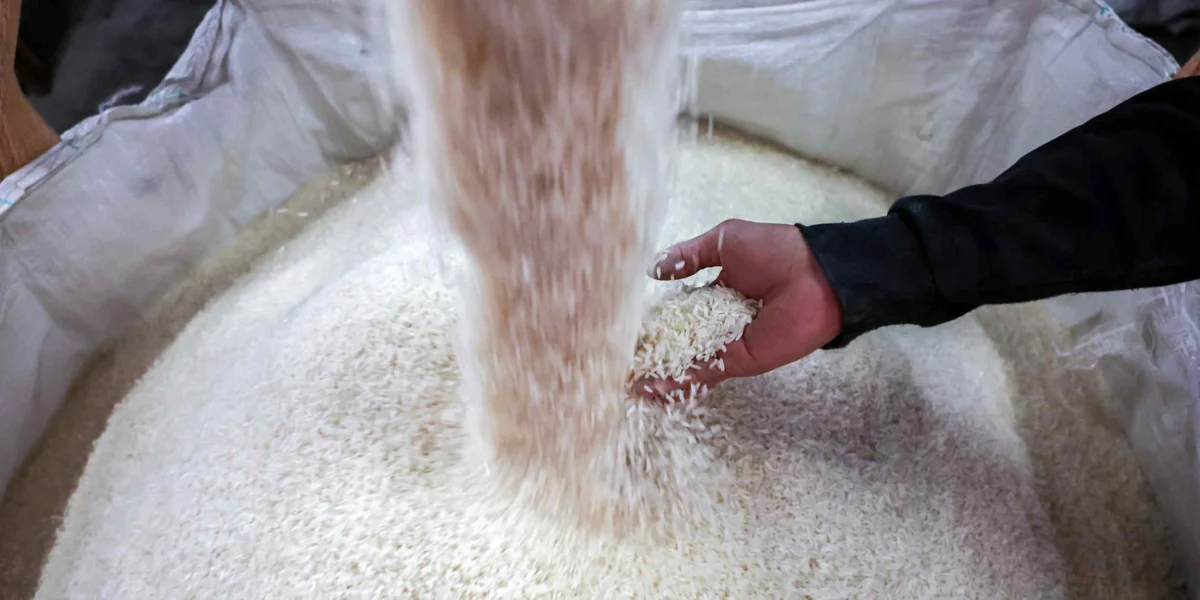
The closure of the Strait of Hormuz, a critical chokepoint for global energy and trade, has sent ripples far beyond the Middle East’s oil fields, significantly impacting the agricultural sector, particularly major rice exporters like Thailand. As the geopolitical situation intensifies, leading to disruptions in shipping routes and increased freight costs, these nations are actively seeking to diversify their markets, with a strategic focus on expanding shipments to Asia and Africa to mitigate potential losses.
The Strait of Hormuz: A Vital Artery Under Threat
The Strait of Hormuz, a narrow waterway connecting the Persian Gulf to the Gulf of Oman, is an indispensable transit route for approximately 30% of the world’s seaborne oil. Its strategic importance cannot be overstated, facilitating the flow of crude oil and liquefied natural gas from major producers in Saudi Arabia, Iran, the UAE, and Iraq to global markets. However, escalating tensions in the region, fueled by a complex web of political rivalries and security concerns, have led to an increased risk of maritime incidents and potential blockades. The direct consequences for international trade are manifold: soaring energy prices, volatile financial markets, and, as this article explores, significant challenges for food exporters reliant on shipping lanes that pass through or are indirectly affected by the strait.
The disruption to shipping, whether through direct blockades, increased insurance premiums for vessels transiting sensitive areas, or longer, more circuitous routes, translates into higher operational costs for all goods, including agricultural commodities. For countries like Thailand, which have established robust export markets in the Middle East for staple foods such as rice, this presents a significant economic challenge.
Thailand’s Rice Exports: A Key Industry Facing Headwinds
Thailand stands as one of the world’s largest exporters of rice, a staple food for billions across Asia and Africa. The country’s rice industry is a vital component of its economy, contributing significantly to its gross domestic product and providing livelihoods for millions of farmers. Historically, the Middle East has been a substantial market for Thai rice, driven by a growing population and increasing demand for high-quality grains.

However, the recent geopolitical climate has cast a long shadow over these established trade flows. The closure or partial disruption of the Strait of Hormuz directly affects shipping routes that connect Southeast Asia to the Middle East. Even if Thai vessels are not directly targeted, the increased transit times, higher insurance costs for navigating the wider region, and the general uncertainty surrounding maritime security in the Persian Gulf are making it more expensive and riskier to deliver rice to traditional buyers.
Timeline of Escalating Tensions and Emerging Challenges
The current geopolitical climate has been building for some time, with a series of incidents and escalating rhetoric contributing to the heightened tensions. While a precise start date for the current disruption is difficult to pinpoint, the increased risk perception and its tangible effects on shipping have become more pronounced over the past few years.
- Early 2020s: A period marked by heightened diplomatic tensions between Iran and several Western nations, alongside regional rivalries, leading to increased military posturing in the Persian Gulf.
- Mid-2020s: A series of maritime incidents, including suspected attacks on tankers and naval vessels, further heightened concerns about the safety of the Strait of Hormuz. This led to increased insurance premiums for shipping companies and a re-evaluation of transit routes.
- Late 2025 – Early 2026: As geopolitical situations intensified, leading to the de facto closure or severe disruption of traffic through the Strait of Hormuz, the impact on global supply chains, including agricultural exports, began to be acutely felt. This period saw freight rates surge and shipping companies reroute vessels, adding significant costs and transit times.
- March 2026: Reports emerge of Thailand actively seeking to offset potential losses in its Middle Eastern rice market by aggressively pursuing new export opportunities in Asia and Africa, signaling a strategic pivot in response to the ongoing Iran tensions.
This evolving scenario has forced Thai exporters to confront a new economic reality, necessitating a proactive approach to market diversification.
Seeking New Horizons: Asia and Africa as Strategic Pivots
In response to the growing challenges in the Middle Eastern market, the Thai government and its exporters are actively exploring and strengthening trade relationships with nations across Asia and Africa. These regions represent significant potential growth areas for Thai rice, offering both large consumer bases and potentially more stable shipping routes.
Asia: While many Asian countries are rice producers themselves, several are also significant importers, particularly those with large populations and growing economies. China, India (though a major producer, it also imports specific varieties), and countries in Southeast Asia beyond immediate neighbors are being targeted. The proximity of many Asian markets offers a logistical advantage, potentially reducing shipping times and costs compared to reaching the Middle East. Furthermore, deepening intra-Asian trade ties can create more resilient supply chains less susceptible to geopolitical shocks originating from the Persian Gulf.

Africa: The African continent presents a vast and largely untapped market for rice. With a rapidly growing population and increasing urbanization, demand for food staples like rice is projected to rise significantly in the coming decades. Many African nations currently rely on imports to meet their rice needs, and Thailand, with its reputation for high-quality rice, is well-positioned to capture a larger share of this market. Establishing stronger trade links with African countries can not only open up new revenue streams for Thai exporters but also contribute to food security in the region.
Supporting Data and Market Analysis
The shift in focus is not merely reactive but is underpinned by significant market potential.
- Global Rice Market: The global rice market is substantial, with demand projected to continue its upward trajectory due to population growth. According to the Food and Agriculture Organization of the United Nations (FAO), global rice consumption is expected to reach approximately 500 million tonnes by 2030.
- Thailand’s Export Performance: In recent years, Thailand has consistently ranked among the top global rice exporters, often vying for the top spot. While exact figures fluctuate annually, the country typically exports tens of millions of tonnes of rice.
- Middle East Market Share: Historically, the Middle East has accounted for a significant percentage of Thailand’s rice exports, often comprising 10-15% of its total export volume. A disruption to this market, even a partial one, would necessitate finding replacement demand equivalent to millions of tonnes.
- Growth in Asian and African Demand: Many African nations have seen their rice imports grow by over 5% annually in recent years, driven by population increases and changing dietary habits. Similarly, certain Southeast Asian nations are experiencing sustained demand for imported rice.
The challenge for Thai exporters will be to navigate the competitive landscape in these new markets, build strong relationships with local buyers, and ensure that logistical and financial mechanisms are in place to support increased trade volumes.
Official Responses and Industry Reactions
The Thai government has signaled its awareness of the challenges and its commitment to supporting exporters. Ministries of Commerce, Agriculture, and Foreign Affairs are reportedly working in tandem to facilitate these market diversifications.
- Government Initiatives: This could include government-backed trade missions to African and Asian countries, the negotiation of new trade agreements or preferential tariffs, and the provision of financial support or export credit guarantees to mitigate risks associated with expanding into new territories. Diplomatic efforts are likely underway to ensure smooth passage of goods and to foster goodwill in potential new markets.
- Exporters’ Strategies: Thai rice exporters are likely to be re-evaluating their marketing strategies, focusing on tailoring product offerings to meet the specific needs and preferences of consumers in Asia and Africa. This might involve promoting different rice varieties, adjusting packaging, and potentially exploring new distribution channels. Building strong relationships with importers and distributors in these regions will be paramount.
- Logistics and Shipping Companies: Shipping companies themselves will need to adapt, potentially establishing new routes and schedules to accommodate increased traffic to Asian and African ports. The increased demand for shipping services to these regions could also lead to adjustments in freight rates.
Broader Implications and Future Outlook
The geopolitical events impacting the Strait of Hormuz and their cascading effects on global trade highlight the interconnectedness of the modern world. For Thailand, the pivot towards Asia and Africa is not just a short-term tactical response but could represent a long-term strategic recalibration of its export markets.

- Diversification of Risk: By reducing its reliance on a single, geopolitically sensitive region, Thailand can build a more resilient export economy, better able to withstand future shocks, whether they stem from geopolitical instability, natural disasters, or economic downturns.
- Strengthening Global Food Security: As Thailand expands its reach into new markets, it also plays a role in enhancing food security in regions with growing populations and increasing demand for food staples.
- Economic Opportunities: The expansion into new markets presents significant economic opportunities for Thailand, potentially leading to increased export revenues, job creation, and further development of its agricultural sector.
However, challenges remain. Competition in Asian and African markets can be intense, with established exporters and local producers vying for market share. Furthermore, developing robust infrastructure and efficient logistics networks in some African nations may require sustained effort.
The situation underscores the critical importance of maintaining stable international relations and ensuring the free flow of trade. As the world navigates an increasingly complex geopolitical landscape, nations like Thailand are demonstrating their capacity for adaptation and resilience, seeking new avenues for growth and stability in the face of evolving global challenges. The success of this strategic pivot will depend on continued government support, the ingenuity of its exporters, and the enduring demand for one of the world’s most fundamental food crops.