Lina Wu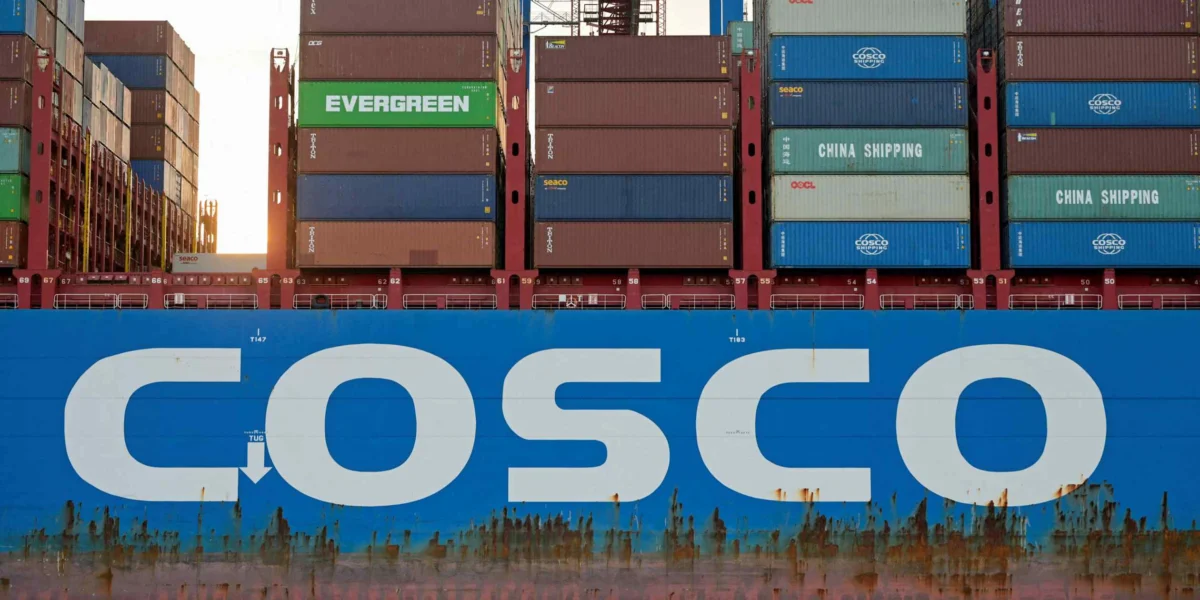
Chinese state-owned shipping behemoth COSCO has announced the resumption of bookings on specific routes connecting Asia and the Middle East, signaling a potential de-escalation of regional tensions that had previously led to a temporary halt in services. The move by COSCO, one of the world’s largest container shipping companies, comes as Tehran has reportedly conveyed assurances that non-hostile vessels will continue to enjoy passage through the strategically vital Strait of Hormuz, a critical chokepoint for global energy and trade.
The suspension of services by COSCO, which had been in effect for an unspecified period, was directly attributed to the heightened geopolitical climate and concerns over potential disruptions in the Persian Gulf. The Strait of Hormuz, a narrow waterway separating Iran and Oman, is a vital artery for the global economy, with a significant percentage of the world’s oil and liquefied natural gas (LNG) passing through it daily. Any threat to its free navigation invariably sends ripples through international markets, impacting energy prices, supply chains, and global economic stability.
Background: The Shadow of Conflict and the Hormuz Bottleneck
The decision to suspend routes by COSCO was not an isolated incident but rather a consequence of a broader regional security environment characterized by escalating tensions, particularly involving Iran and its adversaries. For years, the Strait of Hormuz has been a focal point of geopolitical maneuvering, with Iran frequently asserting its control and occasionally engaging in naval exercises or threatening to disrupt shipping traffic in response to international sanctions or perceived threats.
The war in Iran, as alluded to in the original reporting, likely refers to a period of heightened conflict or instability within or directly involving Iran, which would naturally cast a long shadow over maritime security in the region. While the specifics of this "war" are not detailed in the provided snippet, its impact on shipping routes is undeniable. Such conflicts often involve a heightened risk of miscalculation, accidental engagements, or deliberate acts of aggression that could impede the free flow of commerce.
The Strait of Hormuz’s strategic significance cannot be overstated. According to data from the U.S. Energy Information Administration (EIA), in 2018, approximately 30 percent of the world’s seaborne crude oil and other petroleum liquids passed through the Strait. This makes any interruption to its traffic a matter of global concern, with immediate implications for oil-producing nations, refining centers, and end consumers worldwide. Disruptions can lead to sharp increases in oil prices, impacting inflation, consumer spending, and industrial production. Beyond energy, the Strait is also a crucial conduit for containerized goods, connecting major Asian manufacturing hubs with markets in the Middle East, Europe, and Africa.
Timeline of Uncertainty and the Path to Resumption
While a precise timeline for COSCO’s suspension is not provided, the resumption of bookings suggests a shift in the perceived risk landscape. The original reporting places the announcement on a Wednesday, with the article dated March 25, 2026. This implies that the suspension had been in place for a period leading up to this date. The duration of such suspensions by major shipping lines can vary from days to weeks or even months, depending on the severity and perceived longevity of the threat.
The key factor enabling COSCO’s return appears to be diplomatic assurances from Tehran regarding the safety of passage. The statement that "non-hostile ships can pass through Hormuz" indicates that Iran has communicated its intention to maintain the Strait’s openness for legitimate maritime traffic, provided that vessels are not perceived as posing a threat. Such assurances, if credible and backed by observable actions, are crucial for restoring confidence among shipping operators and their clients.
The resumption of bookings by COSCO is a tangible indicator of this renewed confidence. As a state-owned enterprise, COSCO’s decisions are often influenced by both commercial considerations and broader national interests, including maintaining stable trade relations and projecting an image of global connectivity. The company’s ability to recommence services on these vital routes suggests that its risk assessment models have been recalibrated, reflecting a more benign outlook on the immediate security situation in the Persian Gulf.
Supporting Data and the Scale of COSCO’s Operations
COSCO Shipping Holdings is a global leader in the container shipping industry. As of recent reports, the company operates a vast fleet of vessels and handles a significant portion of global containerized trade. Its network spans numerous trade lanes, connecting major ports across Asia, Europe, North America, and the Middle East. The company’s decision to suspend and subsequently resume services on routes to six Middle Eastern destinations underscores the importance of this region to its overall operations and the global supply chain.
The financial implications of such suspensions can be substantial. Shipping companies incur significant costs during service halts, including vessel idling, crew management, and the potential loss of market share. For shippers and cargo owners, suspensions lead to delays, increased transit times, and potentially higher freight rates as capacity is rerouted or becomes scarce. The resumption of services, therefore, represents a positive development for the efficiency and predictability of trade flows.
Official Responses and Diplomatic Undercurrents
While the original article does not provide direct quotes from official sources regarding the assurances from Tehran, the implications are significant. Such communications typically occur through diplomatic channels, involving bilateral discussions between Iran and key trading partners or through multilateral forums where maritime security is a concern. The fact that COSCO, a major player in global logistics, has acted upon these assurances suggests they were delivered with a degree of seriousness and perceived credibility.
Other major shipping lines and international maritime organizations would undoubtedly be monitoring the situation closely. Any positive developments in easing tensions in the Strait of Hormuz would be welcomed by the global maritime community, which has a vested interest in ensuring the unimpeded flow of international trade.
Broader Impact and Implications
The resumption of COSCO’s services has several broader implications:
- Economic Stability: A more secure Strait of Hormuz contributes to greater stability in global energy markets. This can help to moderate oil prices, reducing inflationary pressures and supporting economic growth worldwide. For countries heavily reliant on energy imports, this is a welcome development.
- Supply Chain Resilience: The restoration of these shipping routes enhances the resilience of global supply chains. Businesses that rely on timely delivery of components and finished goods from Asia to the Middle East will benefit from the renewed predictability and reduced transit times. This is particularly important in an era where supply chain disruptions have become a significant concern for businesses.
- Geopolitical Signaling: COSCO’s move can be interpreted as a signal of easing tensions in the region. It suggests that diplomatic efforts may be yielding results and that the immediate risk of conflict-induced maritime disruptions has diminished. This could encourage further de-escalation and foster a more conducive environment for regional stability.
- Trade Facilitation: The reopening of these routes directly facilitates increased trade between Asia and the Middle East. This can boost economic activity, create new business opportunities, and strengthen commercial ties between the regions. For the six Middle Eastern destinations served by COSCO, this translates to more reliable access to Asian goods and markets.
- Confidence in Maritime Security: The decision by a leading shipping company like COSCO to resume operations serves to rebuild confidence in the security of maritime passage through this critical waterway. This is essential for the long-term viability of international shipping and the global economy.
In conclusion, the announcement by COSCO to resume bookings on its Asia-Middle East routes marks a significant positive development, signaling a potential easing of geopolitical tensions in a region vital to global trade and energy security. The company’s decision, predicated on assurances from Tehran regarding safe passage through the Strait of Hormuz, underscores the interconnectedness of geopolitical stability and economic prosperity. As the world navigates a complex global landscape, such steps towards de-escalation and the facilitation of trade are crucial for fostering international cooperation and ensuring the continued flow of goods that underpin the global economy.