Lina Wu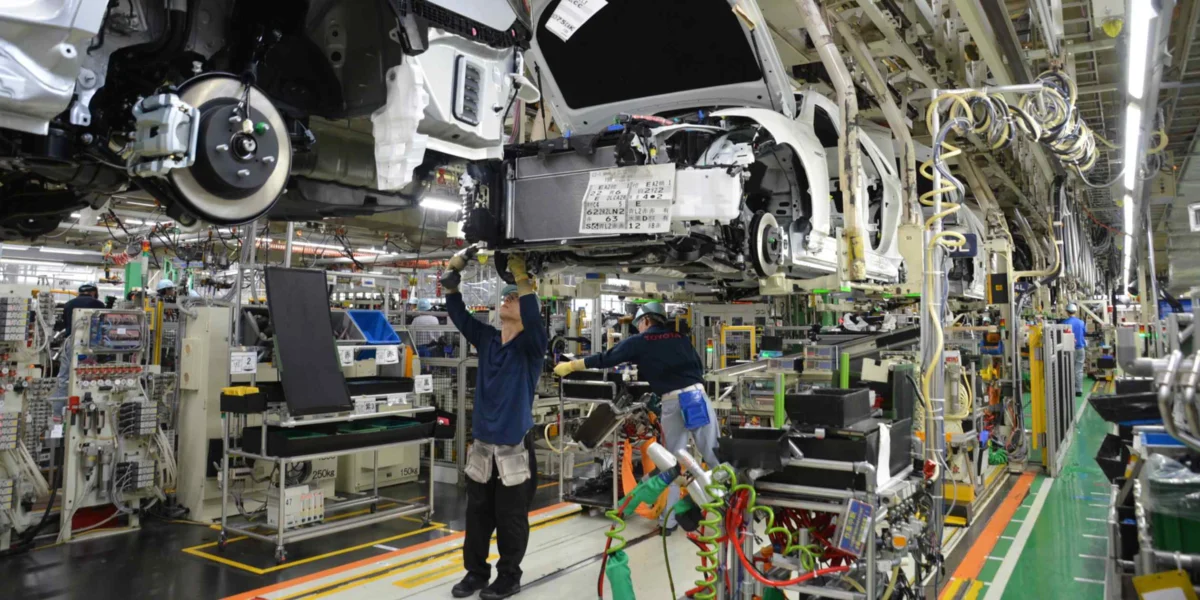
NAGOYA, Japan — At Toyota Motor’s sprawling Motomachi plant in central Aichi prefecture, a scene of quiet diligence unfolded on the assembly line. Amidst the rhythmic hum of machinery and the precise movements of skilled hands, a worker, identifiable by a cap adorned with the Philippine flag, meticulously attached bumpers to a succession of vehicles. Above this individual, a simple yet profound message in Tagalog, "salamat po," meaning "thank you very much," served as a poignant testament to the increasingly diverse and globalized nature of modern automotive manufacturing. This subtle detail, a small beacon of cultural acknowledgment on the factory floor, speaks volumes about Toyota’s evolving workforce and its strategies to navigate the complexities of talent acquisition in a competitive global landscape.
The image, captured by Nikkei, offers a glimpse into a significant trend within Japan’s manufacturing sector, particularly at a time when the nation grapples with a rapidly aging population and a declining birthrate, both of which contribute to a shrinking domestic labor pool. Toyota, as a global automotive behemoth, has long been at the forefront of innovation, not only in vehicle technology but also in operational efficiency and human resource management. The presence of foreign workers, such as the individual at the Motomachi plant, is not a new phenomenon, but the visible acknowledgment of their contribution through bilingual signage underscores a more intentional approach to fostering an inclusive and appreciative work environment.
The Growing Need for a Global Workforce in Japanese Industry
Japan’s demographic challenges have been a persistent concern for decades. The nation’s birthrate has fallen below replacement levels, leading to a shrinking and aging population. This demographic shift has a direct and profound impact on the labor market, creating shortages across various sectors, including manufacturing. Industries that have historically relied on a robust domestic workforce are now increasingly looking overseas to fill essential roles.
The automotive industry, a cornerstone of the Japanese economy, is no exception. With its intricate supply chains and demanding production schedules, car manufacturers require a consistent and skilled labor force. Toyota, operating multiple large-scale production facilities in Japan, including the historic Motomachi plant, has had to adapt to these changing realities. The Motomachi plant, established in 1959, has been a crucial site for Toyota’s production, famously being the birthplace of the iconic Toyota 2000GT and more recently playing a role in the production of advanced models. Its continued operation at peak capacity necessitates a workforce that can meet the rigorous demands of modern vehicle assembly.
A Timeline of Shifting Labor Dynamics
The integration of foreign workers into Japanese industries has been a gradual process, marked by evolving government policies and industry initiatives.
- Early 2000s: As Japan’s demographic trends became more pronounced, discussions around the need for foreign labor intensified. However, strict immigration policies limited the influx of skilled and unskilled workers.
- Mid-2010s: The Japanese government began to implement measures to attract foreign talent, particularly in sectors facing severe labor shortages. This included the introduction of specific visa categories and programs aimed at facilitating the employment of foreign nationals.
- Late 2010s – Present: The COVID-19 pandemic initially disrupted international travel and labor flows. However, with the easing of restrictions and the continued pressure on the labor market, the reliance on foreign workers has only increased. The automotive sector, in particular, has seen a concerted effort to recruit from countries with a strong presence of skilled labor and a cultural affinity for Japanese manufacturing standards.
The presence of a Filipino worker, identified by their cap and the Tagalog message, points to the Philippines as a significant source of labor for Japanese industries. Filipino workers have a long-standing reputation for their diligence, technical skills, and adaptability, making them a valuable asset to companies like Toyota. The "salamat po" sign can be interpreted as a gesture of appreciation from the company or a fellow employee, acknowledging the worker’s presence and contribution. This simple act can foster a sense of belonging and mutual respect, which are crucial for employee morale and retention, especially for those working far from their home countries.
Supporting Data: The Economic Imperative
The economic rationale behind employing a diverse workforce is compelling. Labor shortages in Japan are not merely a demographic issue; they translate into tangible economic costs. Reduced production capacity, delayed product launches, and increased operational expenses due to overtime can significantly impact a company’s bottom line.
According to data from the Ministry of Health, Labour and Welfare in Japan, the number of foreign workers in the country has steadily increased over the past decade. As of October 2023, there were over 2.05 million foreign residents working in Japan, representing a record high. This figure includes individuals in a wide range of sectors, from manufacturing and construction to healthcare and hospitality.
Within the manufacturing sector, the demand for workers is particularly acute. Companies are actively seeking individuals with technical skills in areas such as welding, assembly, and machine operation. The ability to attract and retain these workers is crucial for maintaining production levels and competitiveness.
Toyota’s Motomachi plant, like many of its counterparts, operates on a complex just-in-time production system. Any disruption to the workforce can have ripple effects throughout the supply chain. Therefore, a stable and adequately staffed workforce is paramount. The inclusion of workers from diverse nationalities, including those from the Philippines, is a strategic response to this imperative.
Official Responses and Industry Initiatives
While the Nikkei photograph captures a specific moment, it reflects broader strategies being employed by Toyota and the Japanese government.
Toyota’s Approach:
Toyota, known for its meticulous approach to production and employee development, is likely implementing various programs to support its international workforce. These may include:
- Language Training: Providing Japanese language classes to help foreign workers integrate more effectively into the workplace and daily life.
- Cultural Assimilation Programs: Offering guidance and support to help foreign employees understand Japanese workplace culture, customs, and social norms.
- Housing Assistance: Facilitating access to affordable and suitable accommodation for expatriate workers.
- Community Engagement: Encouraging interaction and building relationships between Japanese and foreign employees to foster a sense of unity.
- Safety and Training: Ensuring that all workers, regardless of their background, receive comprehensive safety training and are equipped with the necessary skills for their roles.
The "salamat po" sign could be part of these initiatives, a small but significant step in making foreign workers feel recognized and valued. This can be particularly important for morale, as it demonstrates that their presence and contributions are noticed and appreciated.
Government Policies:
The Japanese government has been progressively revising its immigration policies to facilitate the entry and employment of foreign workers. Recent reforms have focused on expanding the scope of work for technical intern trainees and creating new visa categories for skilled workers. These policy shifts are designed to address the labor shortage while also ensuring that foreign workers are treated fairly and have opportunities for career advancement.
The Ministry of Justice and the Ministry of Health, Labour and Welfare have been instrumental in developing and implementing these policies. Their efforts aim to strike a balance between welcoming foreign talent and managing the social and economic implications of increased immigration.
Broader Impact and Implications: A Glimpse into the Future of Manufacturing
The scene at the Motomachi plant is more than just an isolated observation; it is a microcosm of a larger transformation underway in Japan and other developed economies facing similar demographic challenges.
Enhanced Competitiveness: By tapping into a global talent pool, Japanese manufacturers can maintain or even enhance their production capacity, ensuring they remain competitive in the global market. This is crucial for industries like automotive, where innovation and efficiency are key differentiators.
Cultural Exchange and Innovation: The influx of workers from different cultural backgrounds can bring new perspectives, ideas, and problem-solving approaches to the workplace. This diversity can foster a more dynamic and innovative environment, potentially leading to improvements in processes and product development.
Social Integration Challenges: While the benefits of a diverse workforce are clear, successful integration requires careful planning and ongoing effort. Challenges such as language barriers, cultural misunderstandings, and potential social friction need to be addressed proactively. The "salamat po" gesture, while positive, is just one small element in a much larger tapestry of social integration.
Economic Sustainability: The continued contribution of foreign workers is vital for the long-term economic sustainability of Japan. Without them, many industries would struggle to operate, impacting economic growth and the provision of essential goods and services.
Global Manufacturing Trends: The trend observed at Toyota’s Motomachi plant is not unique to Japan. Many industrialized nations are grappling with similar demographic shifts and are increasingly relying on international labor to fill critical roles in manufacturing and other sectors. This points towards a future where globalized workforces become the norm rather than the exception in advanced economies.
In conclusion, the photograph from Toyota’s Motomachi plant, with its simple Tagalog greeting, serves as a powerful visual metaphor for the evolving landscape of global manufacturing. It highlights Toyota’s proactive approach to talent management in the face of demographic challenges and underscores the growing importance of a diverse and inclusive workforce for the continued success of Japanese industry. The "salamat po" on the assembly line is not just a thank you; it is an acknowledgment of shared effort, mutual respect, and the building of a global community within the heart of Japan’s industrial prowess. As Japan continues to navigate its demographic future, such gestures of inclusion will become increasingly vital in fostering a productive, harmonious, and globally competitive manufacturing sector.