Gilang Muhammad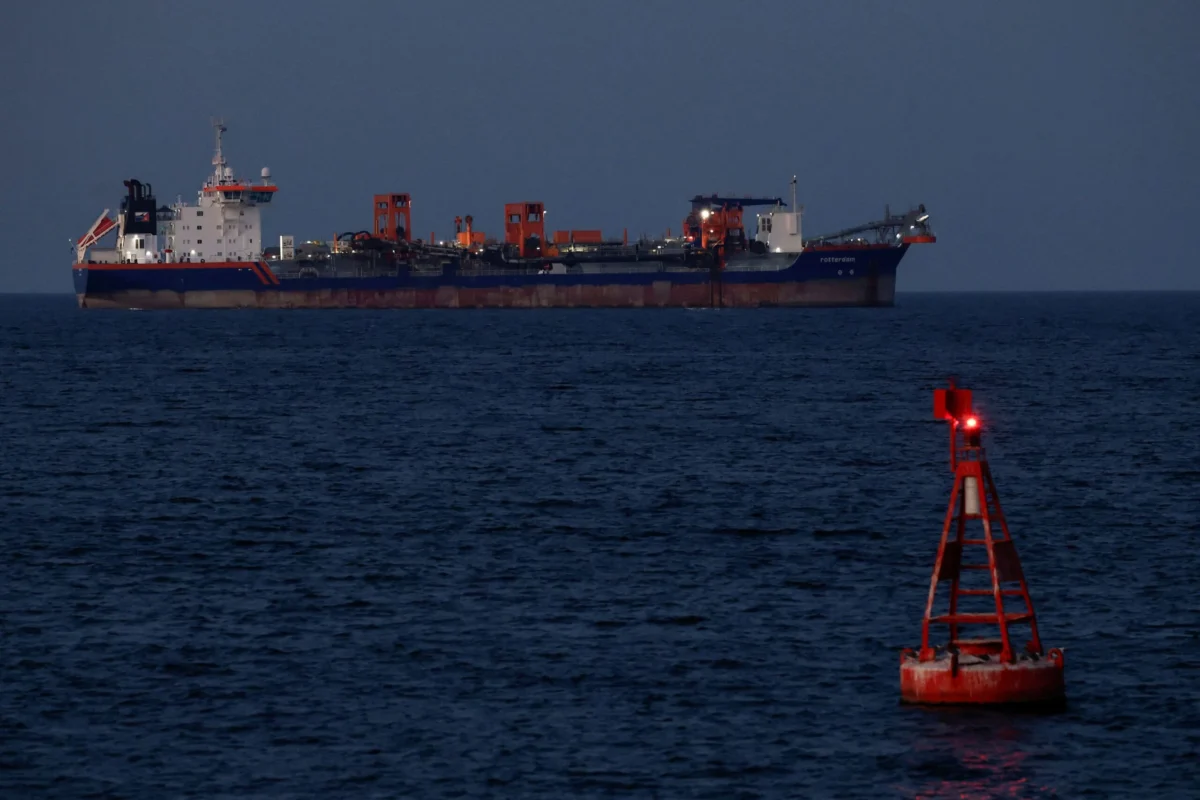
In the wake of an intensifying conflict involving the United States, Israel, and Iran, Tehran has continued to dispatch substantial volumes of crude oil through the highly contested Strait of Hormuz, primarily destined for China. This persistent flow of energy, observed even as the critical waterway faces unprecedented threats and global oil markets remain highly volatile, underscores both Iran’s determination to maintain its crucial export lifeline and China’s strategic imperative to bolster its energy security. The ongoing hostilities, which have seen a significant escalation following the assassinations of Iran’s Supreme Leader Ayatollah Ali Khamenei and Venezuela’s President Nicolas Maduro earlier in the year, have transformed the Persian Gulf into a flashpoint, jeopardizing global supply chains and prompting international alarm.
The Unseen Flow: Iran’s Oil Lifeline to China
Since the onset of the latest conflict on February 28, 2026, Iran has reportedly shipped at least 11.7 million barrels of crude oil through the Strait of Hormuz, with all confirmed cargoes making their way to China. This critical data was provided by Samir Madani, co-founder of TankerTrackers.com, a firm renowned for its sophisticated monitoring of vessel movements through satellite imagery. This technology is particularly vital in tracking tankers that intentionally disable their Automatic Identification System (AIS) transponders – a practice known as "going dark" – to evade detection amidst heightened geopolitical tensions. The strategy of "going dark" has become increasingly prevalent as Tehran explicitly threatened to target any vessel attempting passage through the waterway, creating a perilous environment for maritime commerce.
Echoing these findings, shipping intelligence provider Kpler estimates that approximately 12 million barrels of crude oil have traversed the strait since the conflict ignited. Nhway Khin Soe, a crude analyst at Kpler, noted the increasing difficulty in confirming the ultimate destination of these vessels due to the evasive tactics employed. However, given China’s consistent role as the predominant buyer of Iranian crude in recent years, it is highly probable that a substantial portion of these barrels are ultimately bound for Chinese ports. Despite repeated inquiries, China’s National Energy Administration has not issued official comments regarding these shipments, maintaining a strategic silence on the matter.
Escalating Tensions in a Critical Chokepoint
The Strait of Hormuz, a narrow and geopolitically vital waterway connecting the Persian Gulf to the Arabian Sea, serves as the choke point for approximately one-fifth of the world’s total oil and natural gas supplies. Its strategic importance cannot be overstated, as any disruption can send shockwaves through global energy markets and the broader economy. Historically, tensions in this region have frequently translated into fluctuations in global oil prices, impacting everything from consumer fuel costs to industrial production. The current conflict, marked by an unprecedented level of direct engagement between U.S.-Israeli forces and Iran, has dramatically amplified these risks.
The immediate catalyst for the current surge in hostilities, as referenced in the original reports, includes the targeting and killing of key leaders. The assassination of Iran’s Supreme Leader Ayatollah Ali Khamenei and Venezuela’s President Nicolas Maduro earlier in the year by U.S.-Israeli forces has been perceived by Tehran as a severe provocation, leading to a rapid and aggressive escalation of retaliatory measures and threats. This context is crucial for understanding Iran’s vow to close the Strait of Hormuz and its subsequent actions.
Since the war’s commencement, shipping traffic through the strait has dwindled significantly, with many tankers opting to avoid the besieged waterway altogether. This caution is well-founded: less than two weeks into the conflict, the International Maritime Organization (IMO) reported that at least ten vessels in or near the Strait of Hormuz came under direct attack from Tehran, resulting in the tragic deaths of at least seven seafarers. These incidents serve as grim reminders of the tangible dangers faced by maritime personnel and assets in the region.

Chronology of Conflict and Maritime Incidents
The timeline of recent events paints a stark picture of escalating risk:
- February 28, 2026: The U.S.-Israeli conflict with Iran officially escalates into open warfare, following months of heightened tensions and strategic strikes.
- Early March 2026: Within the first two weeks of the conflict, at least ten vessels operating in or near the Strait of Hormuz are attacked by Iranian forces, leading to fatalities among their crews. This triggers widespread alarm within the international shipping community.
- March 9, 2026: A Rotterdam hopper dredger vessel, operated by Van Oord, is sighted anchored in Muscat, Oman, amidst Iran’s explicit vows to close the Strait of Hormuz. This image becomes a symbol of the pervasive uncertainty gripping maritime operations.
- March 9, 2026: Iran’s Ministry of Foreign Affairs issues a stern warning, stating that oil tankers transiting through the Strait "must be very careful," a message delivered through an interview with CNBC.
- March 10, 2026: Global oil prices surge dramatically, with benchmarks reaching nearly $120 a barrel, levels not seen in four years, as fears of widespread supply disruption intensify. This surge is exacerbated by reports of several Persian Gulf oil-producing nations curbing production and a near standstill in Hormuz traffic.
- Mid-March 2026: In response to the escalating crisis, leaders of the Group of Seven (G7) nations, including the U.S., reportedly consider the largest-ever release of strategic oil reserves to stabilize global markets. Simultaneously, U.S. President Donald Trump signals a potential de-escalation, suggesting the war "may be over soon."
- March 11, 2026: Oil prices subsequently pull back from their peak, with U.S. WTI crude oil for April delivery easing to around $84.9 a barrel and global benchmark Brent with May delivery settling at $88.9 per barrel, reflecting a degree of market stabilization driven by diplomatic signals and strategic reserve considerations.
Global Reactions and Economic Ripples
The international community has reacted with a mixture of apprehension and urgent diplomatic efforts. President Donald Trump, while acknowledging the severe risks, publicly urged ships stranded near the passageway to "show some guts" and push through the channel. In a characteristic display of confidence, Trump asserted, "There’s nothing to be afraid of, they have no Navy, we sunk all their ships." This statement, while intended to project strength, also highlighted the profound military and political dimensions of the crisis.
The economic ramifications have been immediate and far-reaching. The initial surge in oil prices to nearly $120 a barrel underscores the global economy’s vulnerability to disruptions in the Persian Gulf. Such price spikes threaten to fuel inflation, dampen economic growth, and destabilize financial markets worldwide. The coordinated response from the G7, contemplating an unprecedented release from strategic oil reserves, demonstrates the severity of the perceived threat to global energy security and the proactive measures being considered to mitigate a potential oil shock. The subsequent pullback in oil prices, settling around $84-$88 a barrel, suggests that these international efforts, coupled with President Trump’s optimistic rhetoric about an imminent end to the conflict, provided some temporary reassurance to anxious markets.
Seeking Alternatives: Jask Terminal’s Limited Potential
In an apparent effort to diversify its export routes and mitigate the risks associated with the Strait of Hormuz, Iran has resumed loading tankers at its Jask oil and gas terminal, located along the Gulf of Oman, south of the Strait. This facility, Iran’s only crude export outlet on the Sea of Oman that entirely bypasses the Strait of Hormuz, could theoretically add alternative capacity to crude shipments.
TankerTrackers.com reported a significant event: an Iranian vessel recently loaded 2 million barrels of crude oil at Jask. This was a rare occurrence, marking only the fifth such loading at the terminal in the past five years. While this activity signals Tehran’s exploration of alternatives, its practical viability as a major export route remains uncertain. Nhway Khin Soe of Kpler notes that the renewed activity at Jask is a clear indication of Iran’s strategic shift, but its effectiveness as a long-term solution is questionable.
The Jask facility has historically been underutilized due to its comparative inefficiency. Samir Madani highlights a significant logistical drawback: loading a single Very Large Crude Carrier (VLCC), a supertanker designed for long-haul oil transport, can take up to ten days at Jask. This contrasts sharply with the efficiency of Kharg Island terminal, Iran’s traditional primary oil export facility located about 15 miles off the mainland coast, which handles around 90% of the country’s crude exports before they pass through Hormuz. At Kharg Island, a VLCC can be loaded in approximately one to two days. Madani’s assessment suggests that while Jask’s reactivation might offer "good domestic propaganda value," its "logistical advantage" is minimal compared to the established infrastructure at Kharg Island. This disparity underscores the operational challenges Iran faces in bypassing the Strait of Hormuz for large-scale exports.

China’s Strategic Stockpiling Amidst Volatility
Despite the ongoing conflict and the inherent risks, China remains the primary destination for Iranian crude. In the immediate aftermath of the war’s outbreak, Iranian crude shipments, while consistent, were significantly lower than pre-conflict levels, averaging around 1.22 million barrels per day (mbd). This contrasts with February’s figures, when Iran exported 2.16 mbd – its highest level since July 2018 – with all barrels destined for China. This surge in pre-conflict exports indicates Beijing’s deliberate strategy to amass reserves, anticipating potential energy supply disruptions.
China’s efforts to build its oil stockpile have been aggressive. Customs data for the first two months of the year revealed a substantial 15.8% increase in crude imports compared to the previous year. Kpler further reported that Iranian crude loadings hit a record high of 3.78 mbd in the week of February 16, more than double the preceding weekly average of approximately 1.48 mbd. These figures demonstrate a clear and accelerated drive by Beijing to enhance its energy security buffer.
Over many years, China has systematically accumulated vast crude stockpiles. As of January, the nation held an estimated 1.2 billion barrels of inventory, according to the Atlantic Council. This substantial reserve could fulfill China’s demand for three to four months, providing a critical cushion against potential supply shocks. The urgency behind this build-up intensified this year, particularly as U.S. President Donald Trump targeted two of Beijing’s most critical sources of supply: Venezuela and Iran, through the aforementioned military actions against their respective leaders. For China, securing stable energy supplies, especially from non-traditional or sanctioned sources like Iran, is a core component of its long-term strategic planning and a hedge against geopolitical uncertainties.
The Broader Geopolitical Landscape
The Middle East war shows few signs of abating, ensuring that tensions around the Strait of Hormuz remain elevated and global energy markets stay on edge. The intertwining of military conflict, energy security, and international diplomacy creates a complex and volatile geopolitical landscape. For Iran, maintaining crude exports is crucial for its beleaguered economy, which relies heavily on oil revenues. For China, access to Iranian crude, often at discounted prices due to sanctions, represents a vital component of its energy mix and strategic reserves.
The situation in the Strait of Hormuz serves as a stark reminder of the interconnectedness of global energy markets and the fragility of international trade routes in times of conflict. The actions and reactions of key players – Iran’s defiance, the U.S.’s assertive stance, China’s strategic maneuvering, and the international community’s attempts at de-escalation – will continue to shape the trajectory of this crisis. The future of maritime security in the Persian Gulf, the stability of global oil prices, and the broader geopolitical balance hang precariously in the balance, contingent on the evolving dynamics of this multifaceted conflict.