Lina Wu
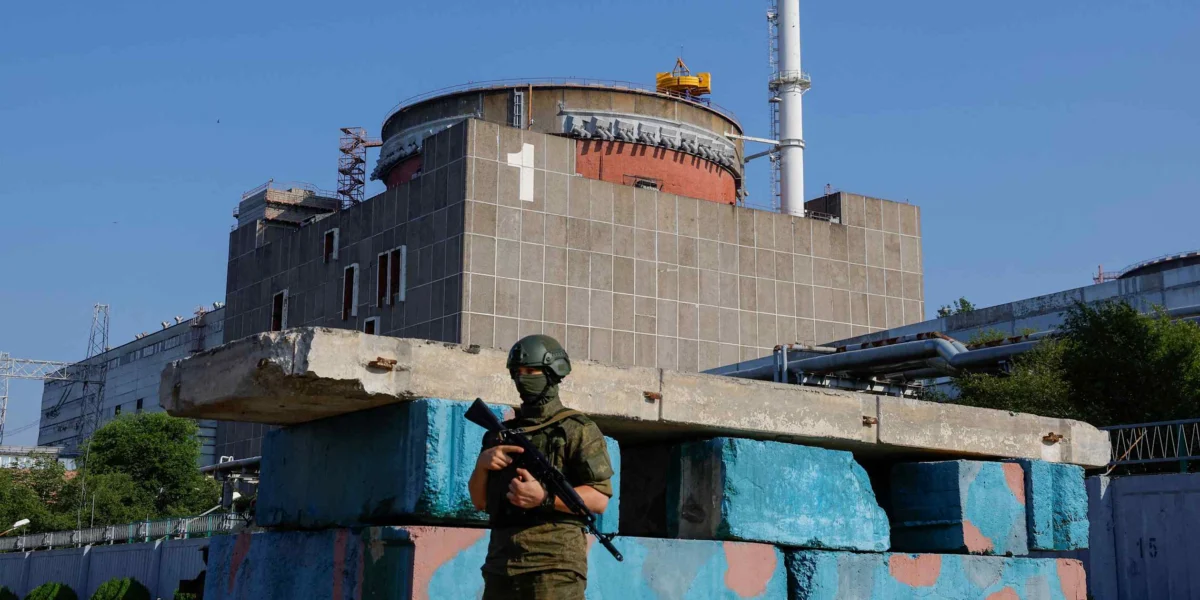
MOSCOW (Reuters) — The Russian-controlled Zaporizhzhia nuclear power plant in southeastern Ukraine has once again been disconnected from its external electricity supply, forcing it to rely on its emergency diesel generators for essential reactor cooling systems. This critical development, confirmed by both the plant’s Russian-appointed management and the International Atomic Energy Agency (IAEA) on Sunday, marks a worrying escalation in the ongoing safety concerns surrounding the facility amidst the protracted conflict in Ukraine. The Zaporizhzhia plant, Europe’s largest nuclear power station, has been a focal point of international anxiety since Russian forces occupied it in early March 2022, shortly after the full-scale invasion of Ukraine began.
A Recurring Crisis: History of Power Disruptions at Zaporizhzhia
This latest power outage is not an isolated incident but rather the latest chapter in a series of perilous disconnections that have plagued the Zaporizhzhia Nuclear Power Plant (ZNPP) since its occupation. The plant requires a constant supply of electricity to operate its cooling systems, which are vital for preventing overheating of its six nuclear reactors and spent fuel pools, even when they are not actively generating power. The loss of off-site power forces the plant to switch to its diesel generators, which have a finite fuel supply and require regular refueling and maintenance – operations that are increasingly difficult and dangerous in a warzone.
The first major loss of external power occurred on August 25, 2022, when shelling damaged the plant’s connection to the Ukrainian national grid. This incident highlighted the extreme vulnerability of the facility to military action and prompted urgent calls for a demilitarized zone around the plant. Since then, the ZNPP has experienced multiple such disconnections, each time raising fears of a potential nuclear accident. The IAEA, under the leadership of Director General Rafael Mariano Grossi, has been actively involved in monitoring the situation and advocating for safety and security measures at the plant.
The Latest Disruption: Details and Official Confirmations
According to the plant’s Russian-appointed administration, the power loss occurred on Sunday. While specific details regarding the cause of the disconnection were not immediately made public by the Russian side, the IAEA subsequently confirmed the event through its own contacts at the site. The agency stated that the plant was relying on its backup diesel generators to maintain essential safety functions, including the cooling of its reactors.
IAEA Director General Rafael Mariano Grossi, in a statement released on Sunday, emphasized the gravity of the situation. "The Zaporizhzhia Nuclear Power Plant has lost its external power supply again and is now relying on its emergency diesel generators," Grossi stated. "This is a deeply concerning development. We are in constant contact with the plant’s management and will continue to monitor the situation closely. The situation remains precarious."
The ZNPP currently has four of its six reactors in shutdown, with two of them in cold shutdown and two in hot shutdown. The remaining two reactors are in a state of open shutdown. Regardless of their operational status, the reactors and spent fuel require continuous cooling. The reliance on diesel generators, which have a limited operational capacity and require fuel, underscores the fragility of the plant’s safety infrastructure under these circumstances.
Background Context: The Strategic Importance and Occupation of Zaporizhzhia
The Zaporizhzhia Nuclear Power Plant, located in the Enerhodar municipality in the Zaporizhzhia Oblast of southeastern Ukraine, is a critical piece of energy infrastructure for both Ukraine and the broader region. It comprises six VVER-1000 pressurized water reactors and was one of the largest nuclear power plants in Europe, contributing a significant portion of Ukraine’s electricity before the full-scale Russian invasion.
Russian forces seized control of Enerhodar and the nuclear power plant in early March 2022, making it the first nuclear facility in Ukraine to fall under enemy control during the conflict. This occupation immediately raised international alarms due to the inherent risks associated with operating a nuclear facility in a conflict zone. The plant’s proximity to active frontlines and the potential for military shelling to damage its critical infrastructure or trigger an accident have been a constant source of anxiety for the international community.
The plant has been operating in a precarious state for months. While the IAEA has had a permanent presence at the ZNPP since September 2022, their ability to ensure safety and security is severely constrained by the ongoing hostilities and the plant’s occupation. The agency’s mandate has been to observe, report, and advocate for the implementation of the seven indispensable pillars of nuclear safety and security, as outlined by Grossi. These pillars include ensuring the physical integrity of the plant, maintaining reliable off-site power, ensuring the safety of all safety-critical equipment and systems, and establishing reliable communication channels.
Supporting Data and Previous Incidents: A Pattern of Risk
The Zaporizhzhia plant has a documented history of power supply disruptions since its occupation. These incidents have been meticulously recorded by the IAEA and international nuclear safety organizations.
- August 25, 2022: The plant lost all external power for the first time in its history due to shelling that damaged power lines. It relied on emergency diesel generators for 36 hours.
- September 5-6, 2022: The IAEA mission visited the plant, and shortly after, the plant lost external power again, this time due to shelling near the switchyard. It was reconnected within a day.
- October 10, 2022: The plant experienced another power outage, with the last remaining external power line being disconnected. It ran on diesel generators for several days.
- November 23, 2022: The plant lost external power for the fifth time. This outage was attributed to Russian missile strikes on Ukraine’s energy infrastructure, which also affected the ZNPP.
- May 19, 2023: The plant lost its last remaining connection to the national grid and was forced to switch to emergency power. It was reconnected a few days later.
- September 21, 2023: The plant lost its external power supply for the eighth time, again necessitating the use of backup generators.
Each of these events represents a heightened risk of a severe accident. The continuous reliance on diesel generators depletes their fuel reserves, and in a combat zone, resupplying these generators can be extremely challenging and dangerous. Furthermore, the constant switching between grid power and backup generators can put additional strain on critical systems. The number of diesel generators available, their operational status, and the availability of fuel are all critical metrics that the IAEA closely monitors.
Official Responses and International Concerns
The international community has consistently voiced deep concern over the situation at the Zaporizhzhia Nuclear Power Plant. The IAEA has been at the forefront of these efforts, with Director General Grossi undertaking numerous diplomatic initiatives to de-escalate the situation and establish a safety zone around the plant.
Ukraine has repeatedly accused Russia of using the ZNPP as a military base, placing heavy weaponry in and around the facility and shelling Ukrainian-controlled territories from its vicinity. Kyiv has called for the complete demilitarization of the plant and the withdrawal of all Russian forces.
Russia, on the other hand, has accused Ukraine of shelling the plant, claiming that it is acting defensively to protect its forces and the facility. Moscow has also accused Ukraine of provocations and has called for international pressure on Kyiv to cease its shelling.
The conflicting narratives and the lack of independent verification of events on the ground due to the ongoing conflict make it challenging to ascertain the precise causes of these disruptions. However, the recurring nature of these power losses and the IAEA’s consistent warnings underscore the undeniable risks to nuclear safety.
The United Nations Security Council has held numerous meetings to discuss the Zaporizhzhia situation, with member states expressing alarm and urging all parties to exercise restraint and adhere to international nuclear safety principles. The potential for a catastrophic accident, even a localized one, carries severe implications, including the release of radioactive material that could contaminate large areas and pose long-term health risks.
Broader Impact and Implications: A Constant Shadow Over Europe
The ongoing crisis at the Zaporizhzhia Nuclear Power Plant casts a long shadow over Europe. The facility’s strategic importance means that any incident could have far-reaching consequences.
- Environmental Contamination: A severe accident could lead to the release of radioactive isotopes, potentially contaminating large swathes of Ukrainian territory and neighboring countries. The scale of such contamination would depend on the nature of the accident, weather conditions, and the amount of radioactive material released.
- Humanitarian Crisis: Beyond the immediate radiological threat, a nuclear incident could exacerbate the existing humanitarian crisis in Ukraine, leading to mass displacement and long-term health impacts on populations.
- Energy Security: The Zaporizhzhia plant’s outage, even without an accident, removes a significant source of electricity from the Ukrainian grid, placing further strain on the country’s energy security during a period of intense conflict and a harsh winter. This also impacts regional energy stability.
- Nuclear Non-Proliferation and Safety Norms: The prolonged occupation and repeated endangerment of a major nuclear power plant challenge established international norms and agreements regarding the safety and security of nuclear facilities in times of armed conflict. It raises questions about the future of nuclear energy in conflict-prone regions and the adequacy of existing international frameworks to prevent such crises.
- Psychological Impact: The constant threat of a nuclear accident, amplified by media coverage, contributes to widespread anxiety and fear among populations living in Ukraine and surrounding regions.
The IAEA’s role in monitoring the situation and advocating for safety measures remains crucial. However, without a cessation of hostilities and the establishment of a demilitarized zone, the Zaporizhzhia Nuclear Power Plant will likely remain a symbol of the profound risks posed by modern warfare to critical civilian infrastructure and the global pursuit of safe and secure nuclear energy. The international community faces a persistent challenge in ensuring the safety of this facility, a challenge that is inextricably linked to the broader resolution of the conflict in Ukraine. The recurring loss of external power serves as a stark reminder that the situation at Zaporizhzhia is far from stable and continues to demand the utmost vigilance and diplomatic engagement.