Lina Wu
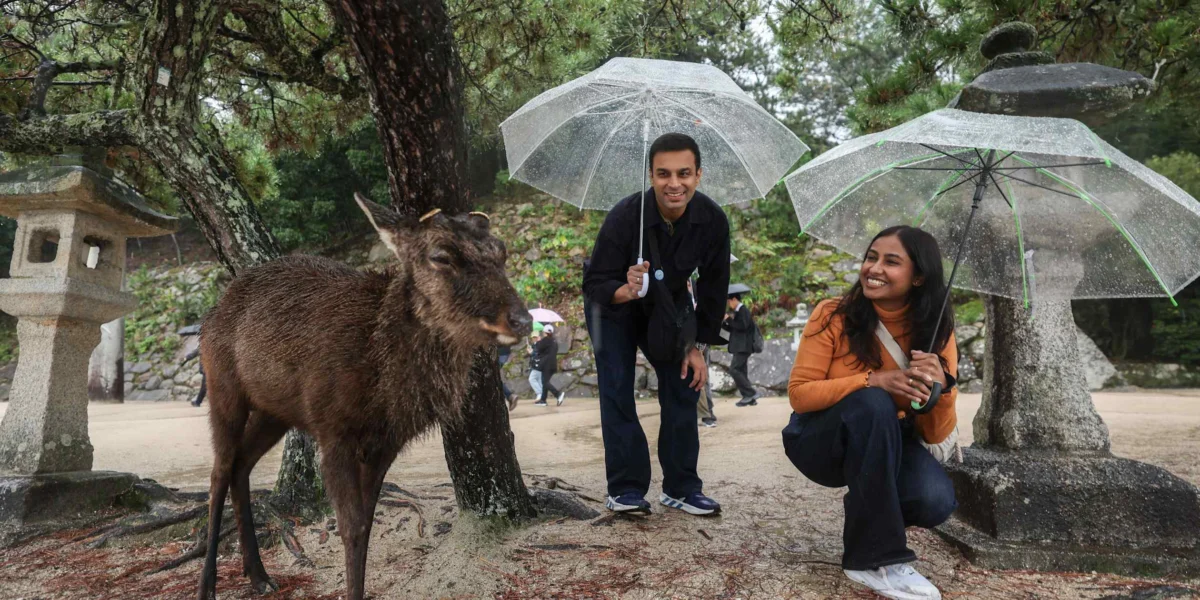
TOKYO/HIROSHIMA, Japan — Japanese hotels and travel agencies are expanding services tailored for Indian tourists, including meal options and activities, as visitor numbers and spending grow rapidly. This strategic pivot reflects a significant shift in the global tourism landscape, with India emerging as a key market for inbound travel to Japan. The Japanese government and private sector are actively cultivating this relationship, recognizing the substantial economic potential and cultural exchange opportunities it presents.
The Rise of the Indian Tourist in Japan
The burgeoning interest of Indian travelers in Japan is not a sudden phenomenon but rather a culmination of several converging factors. In recent years, increased disposable income, a growing middle class, and a heightened desire for international travel have propelled India to the forefront of global outbound tourism. Simultaneously, Japan has been actively promoting itself as a premier tourist destination, leveraging its unique cultural heritage, technological advancements, stunning natural landscapes, and a reputation for safety and cleanliness.
Data from the Japan National Tourism Organization (JNTO) paints a compelling picture. While pre-pandemic figures showed steady growth, the post-pandemic recovery has seen a particularly strong rebound in Indian arrivals. In 2023, Japan welcomed a record number of foreign visitors, and while specific breakdowns for November 2026 are not yet available, preliminary trends suggest that the Indian segment is poised for significant expansion. For instance, by the end of 2023, the number of Indian visitors to Japan had already surpassed pre-pandemic levels, indicating a robust recovery and sustained interest. Projections for the coming years anticipate this growth to continue, with some analysts forecasting a doubling of Indian tourist numbers within the next five years.
This influx is driven by a desire for authentic experiences, from exploring ancient temples and serene gardens to immersing themselves in the vibrant pop culture of anime and manga. The culinary scene, too, is a major draw, with many Indian tourists eager to sample authentic Japanese cuisine, ranging from sushi and ramen to regional specialties.
Tailoring the Japanese Experience for Indian Palates and Preferences
Recognizing the distinct needs and preferences of Indian travelers, Japanese businesses are making significant adjustments to their offerings. This proactive approach is crucial for ensuring a comfortable and enjoyable experience, thereby fostering repeat visits and positive word-of-mouth.
Culinary Adaptations
One of the most prominent areas of adaptation is in food and beverage. Many hotels are now offering dedicated Indian breakfast options, often including popular dishes like idli, dosa, parathas, and poha, alongside traditional Japanese breakfast items. This caters to the dietary habits of many Indian tourists, who may find it challenging to adapt to a purely Japanese breakfast upon waking.
Beyond breakfast, hotels and restaurants are increasingly mindful of dietary restrictions common among Indian travelers, particularly the prevalence of vegetarianism and specific religious dietary laws (e.g., avoiding beef or pork). This has led to:
- Expanded Vegetarian Menus: Restaurants are actively developing and highlighting vegetarian options, ensuring they are not merely an afterthought but integral parts of the menu. This often involves creative use of local Japanese ingredients to replicate familiar flavors and textures.
- Halal Certification and Awareness: For Muslim travelers, obtaining halal certification for food preparation and ingredients is becoming more common. Hotels and restaurants are also training staff to be aware of halal requirements, even if full certification is not yet in place.
- Spice Levels and Flavor Profiles: While not universally true, some establishments are experimenting with offering dishes that cater to a slightly broader range of spice preferences, acknowledging that Indian cuisine often features a higher level of spiciness. This is a delicate balance, as preserving the authentic flavors of Japanese cuisine remains paramount.
Activity and Itinerary Planning
Beyond dining, travel agencies and tour operators are developing specialized itineraries designed to appeal to Indian interests. These often include:
- Cultural Immersion: Tours that focus on historical sites, traditional arts and crafts, and opportunities to interact with local communities. This aligns with the Indian appreciation for rich cultural heritage.
- Shopping Experiences: Dedicated shopping tours, often highlighting areas known for electronics, fashion, and unique Japanese souvenirs. Indian tourists are known for their keen interest in shopping.
- Nature and Scenic Beauty: Emphasis on Japan’s picturesque landscapes, from the iconic Mount Fuji and the tranquil bamboo forests of Arashiyama to the serene beauty of Miyajima Island, as depicted in the accompanying photograph.
- Pop Culture Destinations: For younger demographics, tours to anime and manga hubs like Akihabara in Tokyo, and themed cafes, are increasingly popular.
- Family-Friendly Options: Recognizing that many Indian travelers visit as families, operators are ensuring that activities are suitable for all age groups, including engaging experiences for children.
Strategic Motivations and Economic Impact
The strategic investment in catering to the Indian market is driven by clear economic imperatives. Japan, like many developed nations, faces demographic challenges, including an aging population and a declining birthrate, which can impact domestic consumption and labor force growth. Inbound tourism offers a vital economic stimulus, injecting foreign currency into the economy, supporting local businesses, and creating employment opportunities.
The spending power of Indian tourists is a significant factor. Studies have shown that Indian travelers tend to have a higher per capita spending compared to some other tourist demographics, driven by a desire to experience the best Japan has to offer. This includes spending on accommodation, dining, shopping, transportation, and unique experiences. The Ministry of Economy, Trade and Industry (METI) has identified tourism as a key growth sector, and attracting high-spending tourists from emerging markets like India is a central tenet of its strategy.
Government Support and Infrastructure Development
The Japanese government, through agencies like the JNTO, has been instrumental in facilitating this growth. Their efforts include:
- Visa Facilitation: Efforts to streamline and simplify the visa application process for Indian citizens have been ongoing, aiming to reduce barriers to entry.
- Promotional Campaigns: Targeted marketing campaigns in India, highlighting Japan’s diverse attractions and its welcoming attitude towards Indian visitors. These campaigns often leverage digital platforms and collaborations with Indian influencers.
- Partnerships: Fostering collaborations between Japanese tourism businesses and their Indian counterparts to facilitate tour package development and marketing.
Furthermore, there’s an ongoing assessment of infrastructure needs. While major cities like Tokyo and Osaka are well-equipped, efforts are being made to enhance accessibility and amenities in more remote or less-visited regions to encourage wider exploration by Indian tourists. This includes improving signage in multiple languages, ensuring availability of prayer facilities, and enhancing public transportation options.
Case Studies and Local Initiatives
Numerous examples illustrate this trend across Japan. In Kyoto, a city steeped in tradition, several ryokans (traditional inns) have begun offering Indian cooking classes and have stocked their kitchens with common Indian spices to cater to guests’ requests. Similarly, in Tokyo, department stores are enhancing their personal shopping services, recognizing the desire of Indian tourists to find specific fashion items and electronics.
Travel agencies in major Indian cities are reporting a surge in inquiries for Japan tours. Companies like Cox & Kings and Thomas Cook India have expanded their Japan tour packages, often featuring bespoke itineraries that incorporate the tailored services mentioned above.
Challenges and Future Outlook
Despite the promising growth, challenges remain. Language barriers, while diminishing with increased multilingual signage and staff training, can still pose an occasional hurdle. The cost of travel to Japan can also be a factor for some segments of the Indian market, although the increasing number of direct flight connections is helping to mitigate this.
The long-term success of Japan’s strategy hinges on its ability to consistently deliver authentic and memorable experiences. As the Indian market matures, expectations will likely evolve, requiring continuous adaptation and innovation from the Japanese tourism industry. The emphasis on sustainability and responsible tourism will also become increasingly important, aligning with growing global awareness.
The photograph of an Indian couple enjoying the serene beauty of Miyajima Island encapsulates the essence of this evolving tourism dynamic. It represents not just a moment of leisure but a tangible outcome of strategic planning and dedicated efforts to welcome a significant and growing demographic. As Japan continues to invest in understanding and catering to the Indian traveler, the future of tourism between the two nations appears exceptionally bright, promising deeper cultural understanding and robust economic ties. The commitment to enhancing the Indian tourist experience is a clear indication that Japan is not merely attracting visitors but is actively cultivating a lasting relationship with India as a vital partner in its global tourism strategy. This proactive approach positions Japan favorably to capitalize on the immense potential of the Indian outbound travel market for years to come.