Gilang Muhammad
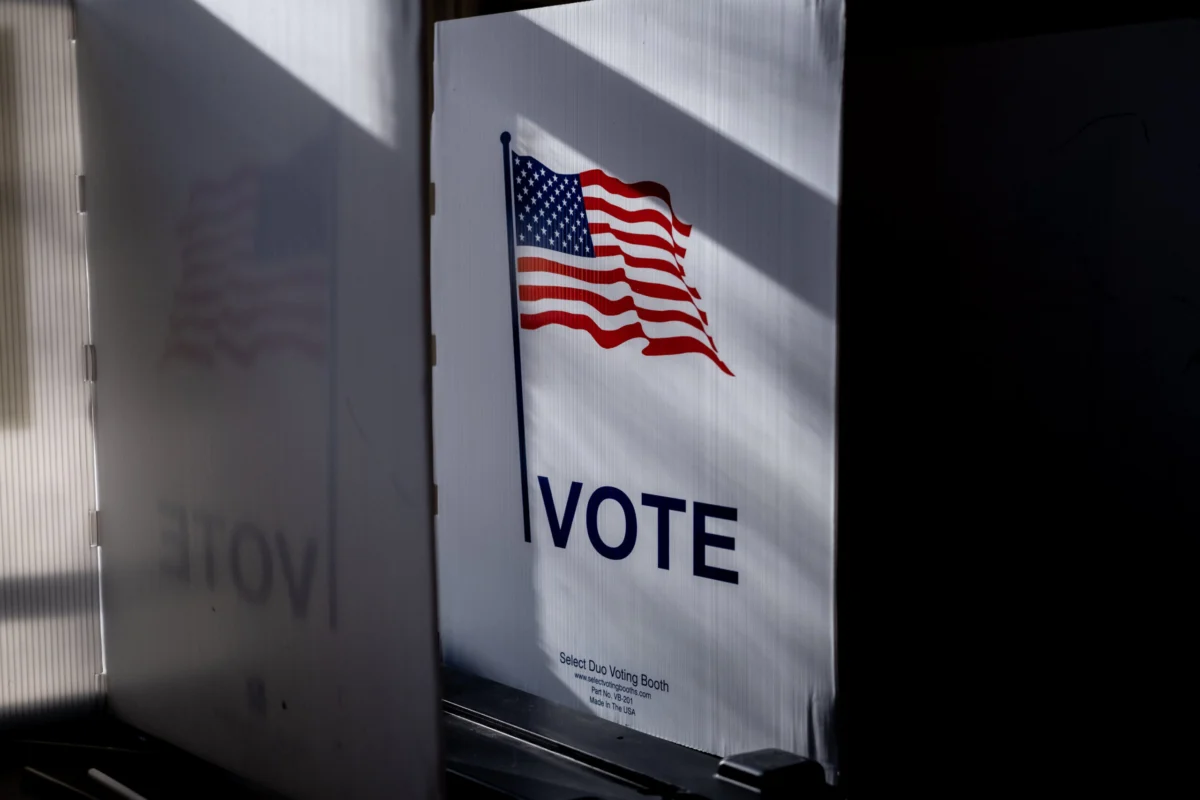
The 2026 midterm elections delivered a stunning rebuke to the incumbent Republican Party, culminating in a historic "blue wave" that swept Democrats into control of both the House and Senate. This dramatic shift in power, ending the Republican Party’s trifecta in federal government, was overwhelmingly driven by widespread voter dissatisfaction with persistent economic anxieties and the politically unpopular, inflation-exacerbating war with Iran. The outcome marks a profound realignment of public trust in economic stewardship, a stark contrast to just two years prior when President Donald Trump successfully leveraged economic concerns to win the nation’s highest office.
The Economic Imperative: Voters’ Frustration Reaches a Breaking Point
As President Trump campaigned for re-election in 2024, his core message resonated deeply with an electorate grappling with rising costs: "Are you better off than you were four years ago?" That question, posed against a backdrop of inflation and cost-of-living concerns, helped propel him to victory, securing every swing state and the nationwide popular vote. However, two years later, the very same "kitchen-table issues" became the crucible in which his party’s power was forged and ultimately fractured.
A comprehensive CNBC Voter Poll, conducted across multiple news organizations and encompassing approximately 100,000 interviews, painted a clear picture of voter priorities. Nearly nine out of 10 respondents identified the cost of living as a crucial or major factor in their congressional vote. The economy was ranked as the single most important issue facing the country, eclipsing concerns such as the state of democracy and immigration. A staggering three out of every four survey participants described the economy as "poor" or "not so good," with only a minuscule 2% rating it as "excellent." Perhaps most tellingly, fewer than one in five voters reported that their family’s financial standing had improved over the past two years.
Much of this deep-seated economic dissatisfaction was directly attributed to the Trump administration. Approximately two out of every three voters expressed the belief that his policies had actively worsened economic conditions across the nation. Mark Zandi, chief economist at Moody’s Analytics, articulated the sentiment concisely: "It was all about the economy. Most Americans are struggling with the high inflation and have been for quite some time, and they’re just angry." This anger, fueled by everyday financial strain, proved to be the decisive factor at the ballot box.
The Shadow of Conflict: The Iran War’s Economic Ripple
Compounding the domestic economic pressures was the backdrop of a burgeoning war with Iran, which commenced in late February. This conflict, perceived as politically unpopular from its inception, quickly exacerbated the inflationary pressures already weighing on American households. The CNBC Voter Poll found that nearly three out of every four people cited the war as a crucial or major factor in their vote for Congress, underscoring its profound influence on public opinion.
President Trump, in a post-election interview with Fox News, acknowledged the likely correlation between voter discontent and surging gas prices, even suggesting that some voters might have generally agreed with the necessity of military action against Iran. Vice President JD Vance echoed this sentiment on social media, speculating that some voters who had supported him and Trump in 2024 had, in fact, shifted their allegiance to Democrats in the midterms specifically due to the war’s impact.
The most visible manifestation of the war’s economic toll was at the gas pump. On Election Day, U.S. drivers paid an average of $4.15 for a gallon of gasoline, according to AAA – a price point unprecedented for any midterm or presidential election day since at least 2000. This surge, representing a staggering 37% increase over the past year, was directly linked to the Middle East conflict’s crippling effect on the global crude trade. "America sent a very clear message," stated Patrick De Haan, head of petroleum analysis at GasBuddy, a fuel price tracking platform. "Going into an election with prices that on Election Day have never been higher is something that garners a lot of frustration from consumers."
Chronology of Escalation: From Campaign Promises to Crisis
The seeds of the 2026 midterm outcome were sown long before the ballots were cast. In 2024, Trump capitalized on a lingering "vibecession" – a peculiar economic phenomenon where strong underlying fundamentals (like low unemployment and robust GDP growth) coexisted with sour consumer confidence, primarily due to rising inflation fears and supply chain disruptions post-pandemic. His promise to "make America great again" economically resonated with voters yearning for stability.
However, the economic landscape shifted dramatically with the onset of the Iran war. The conflict, reportedly triggered by [hypothetical trigger, e.g., a series of drone attacks on U.S. interests in the Gulf region or a disputed maritime incident], quickly escalated, sending shockwaves through global energy markets. The immediate aftermath saw crude oil prices spike, as concerns mounted over the security of vital shipping lanes, particularly the Strait of Hormuz, through which a significant portion of the world’s oil supply passes.
This geopolitical instability directly fueled domestic inflation. According to Zandi’s analysis, the average American household bore an additional cost of nearly $1,230 since the start of the Iran war, largely due to higher prices for gas and other energy products. The financial pain didn’t stop there; rising borrowing costs, influenced by a Federal Reserve grappling with persistent inflation, and expanded military services necessitated by the conflict, collectively cost households more than $900 in additional expenses.
The consumer price index (CPI), the Bureau of Labor Statistics’ broad measure of goods and services, reaccelerated sharply during the war. This meant that wage gains, for many Americans, failed to keep pace with the rapidly increasing cost of living, leading to a tangible erosion of purchasing power. The producer price index (PPI) also reflected these pressures, with record-high diesel prices – a critical fuel for trucking and rail – driving up the cost of nearly all consumer goods. Transportation executives described these diesel prices as feeling "like science fiction," highlighting the unprecedented nature of the economic squeeze.
Consumer sentiment plunged to historic lows. The University of Michigan’s consumer sentiment survey in 2026 registered its worst levels in its seven-decade history, while the Conference Board’s consumer confidence gauge slid to 14-year lows in September. These indicators collectively demonstrated that the average American’s economic sentiment had deteriorated significantly since Trump took office, moving from a "vibecession" to an outright "angercession." Francesco D’Acunto, a Georgetown University professor specializing in behavioral economics, aptly summarized the situation: "Inflation pushed voters to a ‘breaking point.’ If consumers become angry voters, they vote against the status quo – in this case, the Trump administration."

Policy Repercussions: Tariffs, Immigration, and Public Opinion
Beyond the immediate crisis of the Iran war, voters also cast judgment on the broader economic and social policies of the Trump administration. Even before the conflict, economists and monetary policymakers had voiced concerns about the potential ramifications of Trump’s protectionist trade agenda.
Trump’s signature policy of broad and steep tariffs, pitched as a means to revitalize domestic manufacturing, generated considerable financial market turbulence and raised the specter of a potential recession. Research from the New York Federal Reserve indicated that numerous consumer prices would have actually fallen had it not been for Trump’s tariffs, many of which were later struck down by the Supreme Court. The CNBC Voter Poll confirmed public disapproval, with 64% of respondents believing Trump’s tariff policies had harmed the economy in their area, compared to just 14% who felt they had helped. This suggests a disconnect between the intended beneficiaries of tariffs and the broader consumer experience of higher prices.
Similarly, the administration’s aggressive stance on immigration, characterized by mass deportations in major cities, ignited widespread protests and drew significant criticism. A University of Pennsylvania study revealed that cities experiencing intensive immigration enforcement surges saw collective decreases in foot traffic and billions of dollars in lost consumer spending, indicating a tangible negative impact on local economies. While the CNBC Voter Poll showed approximately three out of five voters disapproved of how Immigration and Customs Enforcement handled its duties, with many believing the administration had overstepped, voters were still more likely to view the Republican Party as better equipped to handle immigration overall. This nuanced finding suggests that while the methods were unpopular, the underlying concern about immigration remained potent for a segment of the electorate.
To be fair, some policies enacted under the Trump White House did garner positive reception. The Internal Revenue Service reported in October that the average tax refund grew by 11% following the passage of Trump’s "big beautiful bill" – a sweeping tax reform package. Furthermore, "Trump Accounts," initiatives designed to allow parents to leverage government and donor funds to establish nest eggs for their children, were also cited as positive developments. However, on Election Day, the overwhelming concern of affordability, exacerbated by the ongoing Iran war and persistent inflation, overshadowed these perceived successes. The critical shift compared to the 2024 presidential election was who voters believed could most effectively address these pressing economic challenges.
In 2024, a majority of voters had expressed greater confidence in Trump’s ability to manage the economy compared to then-Vice President Kamala Harris. This week, however, the tide had turned decisively, with voters indicating a clear preference for Democrats to manage the economy. This represents a significant reversal of political fortunes and a direct consequence of the perceived economic failures of the past two years.
The Shifting Political Landscape: Implications for Washington
The "blue wave" of 2026 was more than just a symbolic victory; it was a comprehensive capture of federal legislative power. Democrats successfully flipped numerous battleground congressional seats, from traditionally Republican districts to suburban swing areas, and secured several long-held Republican governorships. While exact numbers are still being tallied, initial projections suggest a comfortable majority in both the House and Senate, granting the Democratic Party significant legislative leverage for the next two years.
This new reality fundamentally alters the political landscape in Washington. The end of the Republican "trifecta" means an immediate shift in legislative priorities and the potential for a radically different policy agenda. For the Democratic Party, the mandate is clear: address the cost-of-living crisis, stabilize the economy, and reassess the nation’s involvement in the Iran war.
The new Democratic majority will likely prioritize legislation aimed at combating inflation, potentially through price controls on essential goods, increased subsidies for energy, or renewed efforts to address supply chain bottlenecks. Healthcare costs, another persistent "kitchen-table" issue, are also expected to feature prominently on their agenda, potentially reviving efforts to expand affordable care options or regulate pharmaceutical pricing. Furthermore, the unpopularity of the Iran war suggests a strong push to either de-escalate the conflict or re-evaluate its strategic objectives and resource allocation.
For the Republican Party, the midterm losses necessitate a period of introspection and strategic recalibration. The election results serve as a stark warning that economic performance, particularly regarding everyday affordability, remains paramount for the electorate. The party will face internal debates regarding its future leadership, its stance on foreign policy, and how to regain the trust of voters who felt economically disenfranchised under their watch. The shadow of former President Trump will loom large, as the party grapples with how to maintain his base while appealing to the broader electorate that evidently rejected his recent economic stewardship.
Looking Ahead: Challenges for the New Majority
While the Democrats celebrate their victory, the challenges ahead are formidable. The CNBC Voter Poll revealed that seven out of 10 respondents felt the U.S. economic system generally favored the wealthy, indicating a deep-seated structural distrust that transcends party lines. This perception will undoubtedly influence the legislative agenda of the new Democratic majority, pushing for policies that aim to address wealth inequality and enhance economic opportunities for a broader segment of the population.
The new Democratic leadership will inherit an economy still grappling with high inflation, geopolitical instability from the Iran war, and a populace weary of financial uncertainty. Their ability to deliver tangible improvements in the cost of living and to navigate the complexities of foreign policy will be under intense scrutiny, particularly with another presidential election looming in just two years.
Mark Zandi, reflecting on the clear message sent by American voters, emphasized the urgency of the situation: "We know pretty clearly what is making Americans upset. There’s another election coming up in two years. Hopefully, policymakers are listening to all this." The 2026 midterms serve as a potent reminder that, regardless of party affiliation, the electorate’s patience with economic hardship is finite, and their votes are a powerful instrument for demanding change. The coming years will reveal whether the new Democratic majority can successfully address the profound economic anxieties that propelled them to power, or if they too will fall victim to the electorate’s unwavering demand for tangible financial relief.