Farhan Pambudi
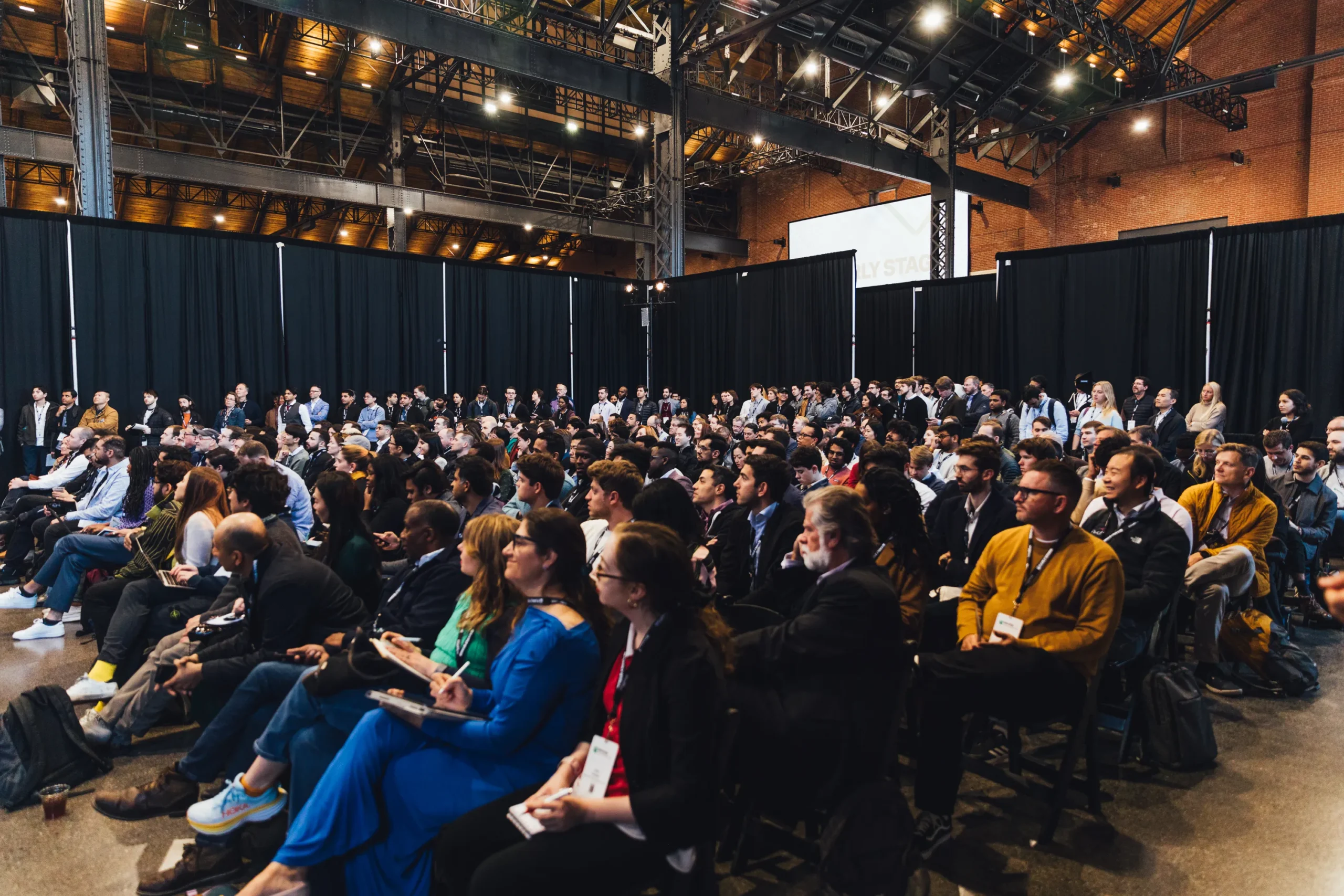
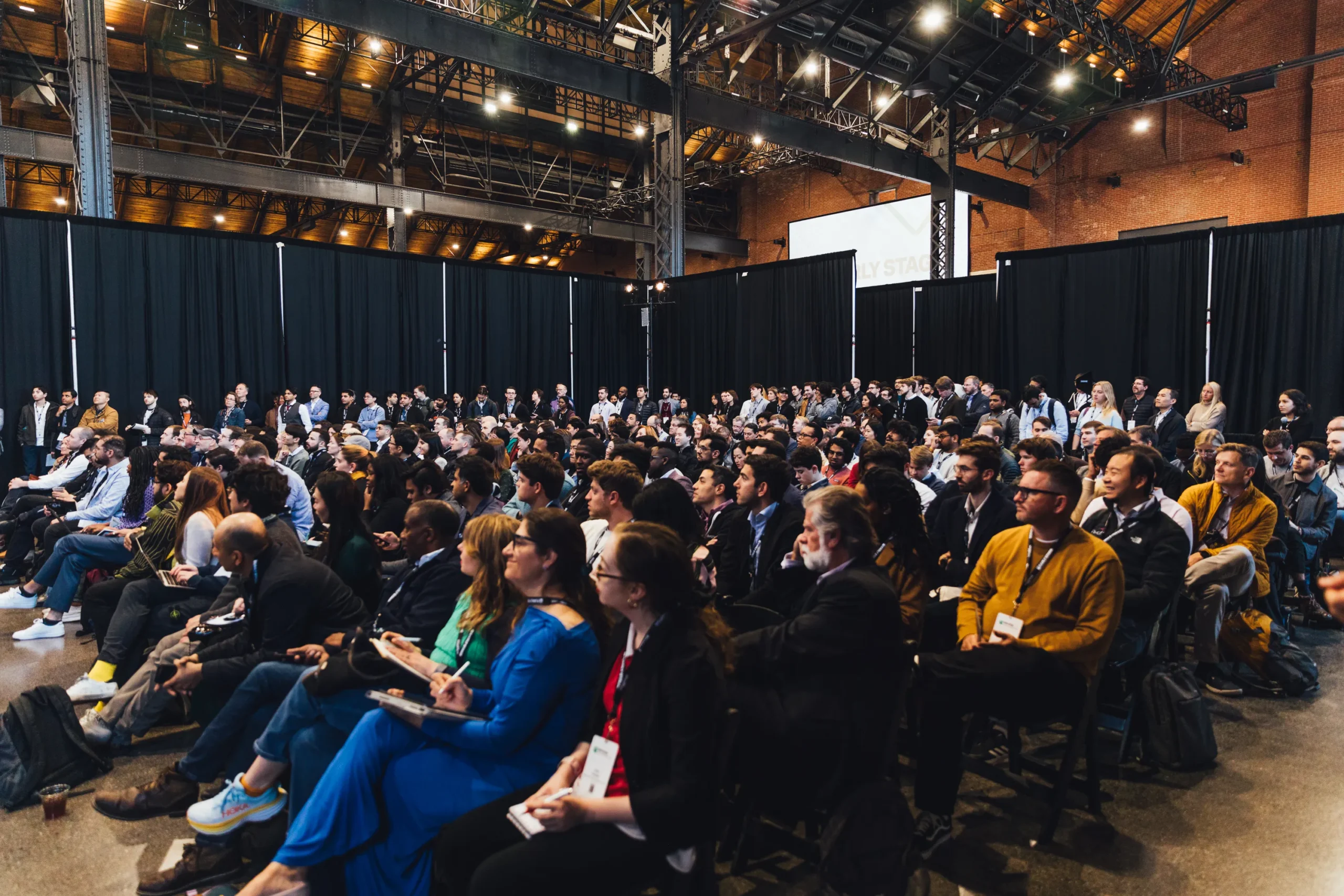
The TechCrunch Founder Summit 2026, presented by Fidelity Private Shares, officially commences tomorrow, November 4, at the historic SoWa Power Station in Boston, marking a pivotal gathering for the global startup ecosystem. As the venture capital landscape continues to navigate the complexities of a post-inflationary economy and the rapid integration of generative artificial intelligence into core business models, this summit serves as a dedicated forum for founders and investors to align on the future of innovation. The event is strategically positioned to provide actionable insights into the mechanics of scaling, fundraising, and long-term organizational resilience. Doors are scheduled to open at 9:00 a.m. ET, welcoming a diverse cohort of entrepreneurs ranging from seed-stage innovators to late-stage growth executives.
Strategic Context and the Boston Tech Ecosystem
The selection of Boston as the host city for the 2026 Founder Summit is a calculated acknowledgment of the region’s enduring influence on the global technology sector. Historically recognized as a hub for biotechnology, robotics, and academic research, Boston has seen a significant surge in venture capital activity over the past decade. According to recent industry data, the Massachusetts tech corridor remains one of the top three recipients of venture funding in the United States, trailing only Silicon Valley and New York. By hosting the event at the SoWa Power Station—a venue that symbolizes the intersection of industrial heritage and modern revitalization—TechCrunch emphasizes the theme of "building what comes next" within an environment that has successfully transitioned through multiple economic eras.
The summit arrives at a time when the "growth at all costs" mentality of previous years has been firmly replaced by a focus on "efficient growth." For founders in 2026, the primary challenge is no longer just securing initial capital, but demonstrating a clear path to profitability while maintaining a competitive edge in a crowded market. The partnership with Fidelity Private Shares highlights the increasing importance of sophisticated equity management and cap table health, which have become critical metrics for investors conducting due diligence in the current fiscal environment.
Comprehensive Event Chronology and Operational Logistics
The summit is structured as a high-intensity, single-day event designed to maximize the density of information and networking opportunities. The schedule has been meticulously curated to balance formal presentations with interactive sessions, ensuring that attendees can customize their experience based on their specific stage of development.

The day begins at 9:00 a.m. ET with registration and an opening orientation. Following the introductory remarks, the summit bifurcates into two primary programming tracks: the Build Stage and the Impact Stage. These tracks run concurrently throughout the morning and afternoon, interspersed with networking breaks and lunch sessions. In the mid-afternoon, the focus shifts toward the highly anticipated live pitch competition, where selected founders present their business models to a panel of seasoned venture capitalists. The day concludes with a closing reception designed to facilitate the transition from formal learning to relationship building, an essential component of the startup lifecycle.
To manage the high volume of attendees and facilitate meaningful connections, TechCrunch has deployed the Braindate networking application. This platform allows participants to schedule one-on-one meetings or join small group discussions focused on specific problem-solving topics. This data-driven approach to networking ensures that founders are not merely exchanging business cards but are engaging in substantive dialogues regarding shared operational hurdles.
The Build Stage: Tactical Execution and Fundraising Mechanics
The Build Stage is specifically engineered for early-stage founders who are currently in the trenches of product development and initial market entry. The curriculum for this stage focuses on the tactical "how-to" of startup management. Key sessions are slated to cover the following areas:
- Fundraising Dynamics in 2026: This session will analyze the current state of the Series A and Series B markets. With interest rates stabilizing but investor scrutiny remaining high, experts will provide guidance on how to structure a pitch that balances visionary goals with grounded financial projections.
- Distribution and Market Penetration: Founders will learn about modern customer acquisition costs (CAC) and the shift toward product-led growth (PLG) strategies. In an era where digital advertising yields diminishing returns, the focus is on building organic communities and leveraging strategic partnerships.
- Team Construction and Culture: As remote and hybrid work models continue to evolve, this session addresses the challenges of hiring top-tier talent in a competitive market. Discussion points include equity compensation structures, retention strategies, and the integration of AI tools to enhance team productivity.
- The Art of the Pitch: Beyond the slide deck, this tactical lesson focuses on storytelling and the psychological aspects of investor relations. Founders will receive feedback on how to communicate complex technical concepts to non-technical stakeholders effectively.
The Impact Stage: Scaling, Governance, and Long-Term Growth
While the Build Stage focuses on the foundations, the Impact Stage is designed for companies that have achieved initial traction and are now facing the "scaling gap." This track addresses the strategic complexities of transitioning from a small team to a large-scale enterprise.
A primary focus of the Impact Stage is Product-Market Fit (PMF) in a shifting landscape. The consensus among market analysts is that PMF is not a static milestone but a moving target. Speakers will discuss how to pivot effectively without alienating the existing user base and how to use data analytics to predict market shifts before they occur.

Furthermore, the Impact Stage will explore the nuances of enterprise relationships. For many B2B startups, securing a contract with a Fortune 500 company is a transformative event, but it also introduces significant operational strain. Sessions will cover the legal, security, and integration requirements necessary to survive the enterprise procurement process. Long-term growth strategies, including mergers and acquisitions (M&A) and preparations for public offerings, will also be examined by veterans who have navigated these transitions.
Data-Driven Insights and Market Implications
Supporting data from the first three quarters of 2026 suggests a renewed vigor in the tech sector, particularly in "deep tech" and sustainability-focused ventures. Total venture investment in the U.S. is projected to reach its highest levels since 2021, though the distribution of these funds is more concentrated in companies that can demonstrate sustainable unit economics.
The Founder Summit serves as a barometer for these trends. By analyzing the questions posed during the roundtable conversations and the themes of the pitch competition, industry observers can gain a clearer understanding of where the next wave of innovation is likely to emerge. For instance, the increasing prevalence of "AI-native" startups—those built from the ground up to utilize large language models rather than simply "bolting on" AI features—is expected to be a dominant topic of discussion.
Analysis suggests that events like the Founder Summit are crucial for maintaining the "knowledge transfer" necessary for a healthy ecosystem. When experienced founders share their failures and successes with the next generation, it reduces the overall "failure rate" of the sector by preventing the repetition of common mistakes. This collective intelligence is what allows the tech industry to iterate at a pace that traditional industries cannot match.
Official Responses and Participant Expectations
While official statements from the organizers emphasize the "collaborative spirit" of the event, the underlying sentiment among participants is one of focused urgency. A representative from Fidelity Private Shares noted that "the goal is to empower founders with the financial literacy and operational tools they need to manage their growth responsibly." This reflects a broader industry trend toward "responsible entrepreneurship," where governance and transparency are valued as highly as innovation.

Founders attending the event have expressed a desire for "unfiltered" advice. In a digital world saturated with "thought leadership" content, the value of the Founder Summit lies in the ability to ask direct questions and receive immediate, nuanced answers. "You can read a blog post about fundraising any day," one prospective attendee noted. "But hearing an investor explain exactly why they passed on a deal in this specific market is invaluable."
Broader Impact and Future Outlook
The implications of the TechCrunch Founder Summit extend beyond the single day of programming in Boston. The connections made and the strategies developed here will likely influence the trajectory of dozens of startups over the next several years. As these companies grow, they will contribute to job creation, technological advancement, and economic stability.
Moreover, the summit reinforces the importance of regional tech hubs. While Silicon Valley remains the symbolic heart of the industry, the success of the Boston event demonstrates that innovation is increasingly decentralized. The ability to gather world-class talent in a city like Boston highlights the strength of the national innovation network.
As the doors prepare to open at the SoWa Power Station, the TechCrunch Founder Summit 2026 stands as a testament to the resilience of the startup community. Despite the challenges of the past few years, the drive to "build what comes next" remains undiminished. For the founders in attendance, the insights gained tomorrow may well be the catalyst for the next great American company. The summit is not merely a conference; it is a strategic workshop for the architects of the future economy, providing them with the blueprints and the community necessary to turn ambitious visions into sustainable realities.