Farhan Pambudi
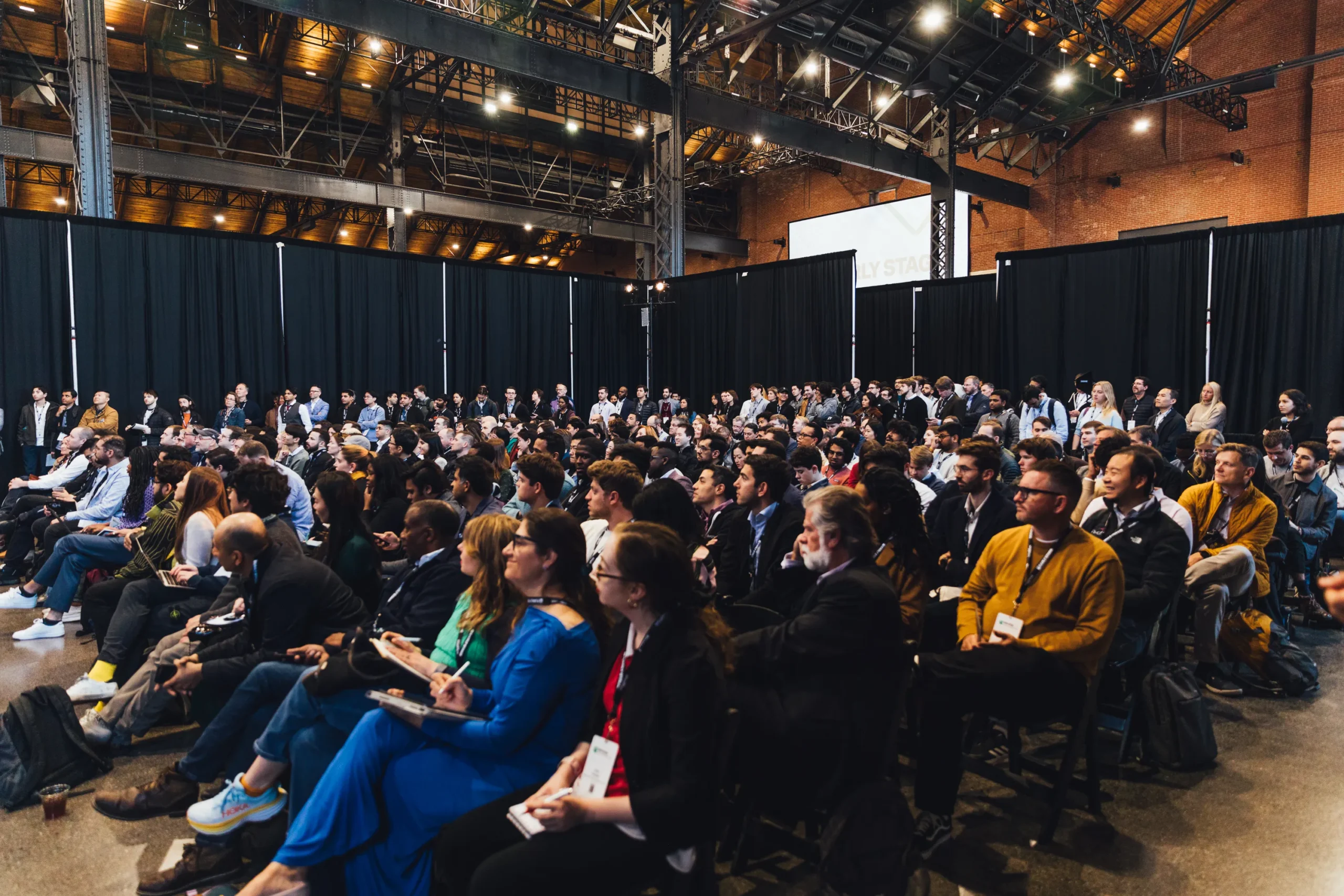
The global startup ecosystem faces an era of unprecedented transition as it navigates the complexities of a post-hype artificial intelligence landscape and a shifting venture capital environment. On November 4, 2026, the TechCrunch Founder Summit will convene at the historic SoWa Power Station in Boston, Massachusetts, serving as a critical nexus for entrepreneurs, institutional investors, and industry leaders. The one-day intensive program is designed to move beyond traditional conference rhetoric, offering a multi-modal learning environment that prioritizes tactical execution, candid peer-to-peer exchange, and the strategic scaling of nascent technologies into resilient enterprises.
The Strategic Significance of the Boston Tech Corridor
The selection of Boston as the host city for the 2026 summit reflects a broader trend in the technology sector: the resurgence of "Hard Tech," life sciences, and enterprise-grade artificial intelligence. While Silicon Valley remains a primary hub for consumer software, Boston’s unique intersection of academic excellence—driven by institutions such as MIT and Harvard—and its robust industrial heritage has made it the epicenter for startups tackling complex, infrastructure-level challenges.
The SoWa Power Station, once the largest power plant in the world during the late 19th century, provides a symbolic backdrop for the event. It represents the transformation of traditional industry into the digital and automated economy. For the 2026 summit, this venue will house a curated assembly of founders who are moving past the "growth at all costs" mentality of the early 2020s toward a model of capital efficiency and long-term viability.
A Chronological Framework of the Founder’s Journey
The summit is structured to mirror the lifecycle of a high-growth startup, divided into distinct "Stages" that address specific operational hurdles. This chronological approach allows attendees to navigate the day based on their current organizational maturity.

The Build Stage: Establishing a Competitive Foundation
The morning sessions at the Build Stage are dedicated to the "mechanics of the start." In an era where technological parity is reached faster than ever, the summit emphasizes that product excellence alone is no longer a sufficient moat.
Hunter Worland of NEA is slated to open the stage with an analysis of distribution as a primary competitive advantage. Worland’s thesis suggests that in a saturated market, the ability to reach and retain customers—often through non-traditional channels—is the true differentiator between a project and a company.
Following this, Kristen Craft of Fidelity Private Shares will provide a data-driven overview of the 2026 fundraising climate. Preliminary data from the first half of 2026 suggests a "flight to quality," where investors are increasingly scrutinizing unit economics and path-to-profitability earlier in the seed and Series A rounds. Craft’s session is expected to provide founders with the benchmarks necessary to navigate these heightened expectations.
The Build Stage also addresses the "storytelling" aspect of entrepreneurship. Dave Balter of True Ventures and Edisyl will challenge founders on the efficacy of their pitches. The focus here is not merely on securing capital, but on "earning the next conversation"—a philosophy centered on building relational momentum with stakeholders ranging from investors to early-key hires.
The Impact Stage: Navigating the Perils of Scale
As the day progresses, the focus shifts to the Impact Stage, which addresses the transition from a validated product to a scalable organization. Scaling is often the phase where the most promising startups fail due to internal friction or premature market expansion.

Steve Fredette, co-founder and president of Toast, will lead a session on the realities of scaling within the Boston ecosystem. Toast’s journey from a local startup to a global leader in restaurant technology serves as a primary case study for the summit. Fredette’s presence provides a rare look at the leadership shifts required when a team grows from a dozen individuals to thousands.
Complementing this is a critical discussion by Rudina Seseri of Glasswing Ventures regarding the "brakes" of scaling. Seseri is expected to discuss the strategic necessity of slowing down to protect the core business—a counterintuitive but often essential move for maintaining product integrity and company culture.
Kent Bennett of Bessemer Venture Partners will further deconstruct the concept of product-market fit (PMF). In Bennett’s view, many founders mistake early traction for true PMF, leading to disastrous "scale-ups" before the underlying business model is stabilized. This session will provide attendees with quantitative signals to look for before deploying significant growth capital.
Tactical Deep Dives: The Roundtable Format
Recognizing that broad sessions cannot address every specific niche, the TechCrunch Founder Summit 2026 includes a series of intensive roundtables. These smaller, interactive sessions are designed for high-level participation rather than passive listening.
- Navigating Difficult Verticals: Chirag Shah of Define Ventures will lead a session on entering highly regulated or "difficult" sectors such as healthcare and fintech.
- Enterprise AI and Technical Integrity: Shishir Tewari of Procore Technologies will move the AI conversation away from generative hype toward the practicalities of "hallucination reduction." This session is particularly relevant for founders building enterprise-grade tools where accuracy is non-negotiable.
- Global Customer Acquisition: Merve Kitapci of ADIN.AI will provide a roadmap for landing major global accounts prior to a Series A round, focusing on the "land and expand" strategy within multinational corporations.
- Category Creation: Andy Tang of Draper Associates will address the unique challenges of building a market for a product that currently has no established category, a common hurdle for deep-tech and frontier-tech founders.
- The Lean AI Team: Linden Tibbets of IFTTT will explore how the integration of AI agents is fundamentally changing the assumptions of team size. The discussion will center on whether the "billion-dollar solo startup" is a statistical possibility in the current technological environment.
Real-Time Evaluation: "So You Think You Can Pitch?"
One of the most anticipated segments of the summit is the live pitching session. Unlike traditional "pitch decks" presented in a vacuum, "So You Think You Can Pitch?" subjects founders to immediate, high-stakes feedback from a panel of seasoned investors, including Dave Balter, Chirag Shah, and Simran Suri of Maveron.

This segment serves two purposes: it provides the pitching founders with direct access to institutional critiques, and it provides the audience with a "meta-analysis" of what investors are currently prioritizing. Observers will gain insight into where narratives lose momentum and which specific data points (e.g., LTV/CAC ratios, churn rates, or technical debt) trigger the most skepticism from the panel.
Networking Reimagined: The Braindate Ecosystem
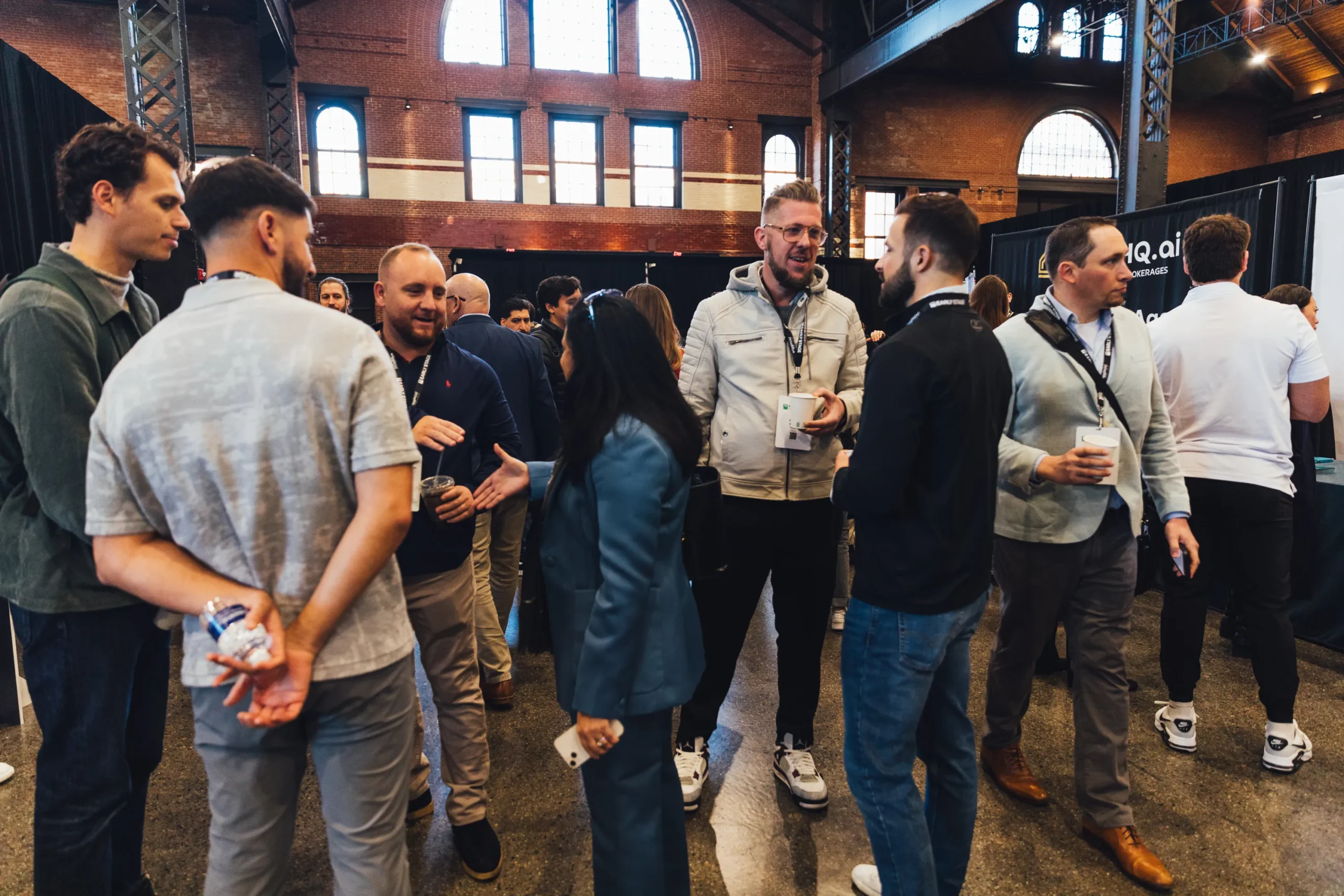
A common criticism of large-scale tech events is the "serendipity gap"—the difficulty of finding the right person to talk to in a room of hundreds. To solve this, the 2026 Summit utilizes the "Braindate" networking platform. This system allows attendees to post specific challenges or topics they wish to discuss, enabling them to book one-on-one or small group meetings with peers who possess relevant expertise.
By moving networking away from the "business card exchange" and toward "intentional problem solving," the summit ensures that the connections made are substantive. This is further supported by the closing reception, presented by Fidelity Private Shares, which allows for the continuation of high-level conversations in a less formal environment.
Market Analysis and Broader Implications
The TechCrunch Founder Summit 2026 arrives at a moment when the "standard" startup playbook is being rewritten. Analysis of the current market suggests that the "Founder-CEO" is now expected to be as proficient in operational finance as they are in product vision.
Data from 2025 indicates that startups that prioritize "community-led growth" and "technical defensibility" are 40% more likely to secure follow-on funding than those relying solely on paid acquisition. The summit’s heavy emphasis on distribution, enterprise trust, and lean team structures reflects these data-driven realities.

Furthermore, the event highlights the growing decentralization of the tech industry. While the summit is physically located in Boston, the themes of building "outside the Bay Area" and competing on a global scale are central. Chase Garbarino of HqO’s session on the "Boston Founder Playbook" is expected to be a blueprint for how regional hubs can leverage local talent and industry density to compete with traditional tech strongholds.
Conclusion and Participation
As the tech industry moves toward the final quarter of 2026, the TechCrunch Founder Summit stands as a barometer for the health and direction of the global startup community. It provides a rare environment where the theoretical meets the tactical, and where the next generation of "Centaur" companies (startups with $100M+ in annual recurring revenue) may find the insights needed to reach their next milestone.
The event remains open for registration, with TechCrunch offering various incentives to encourage collaborative attendance, including group bundles and "buy-one-get-one" pass options. These initiatives are designed to ensure that co-founding teams can attend together, ensuring that the lessons learned on the Build and Impact stages can be immediately translated into organizational action.
In a world where the noise of "innovation" often drowns out the signal of "execution," the TechCrunch Founder Summit 2026 aims to be the definitive signal for those building the future of the global economy.