Lina Wu
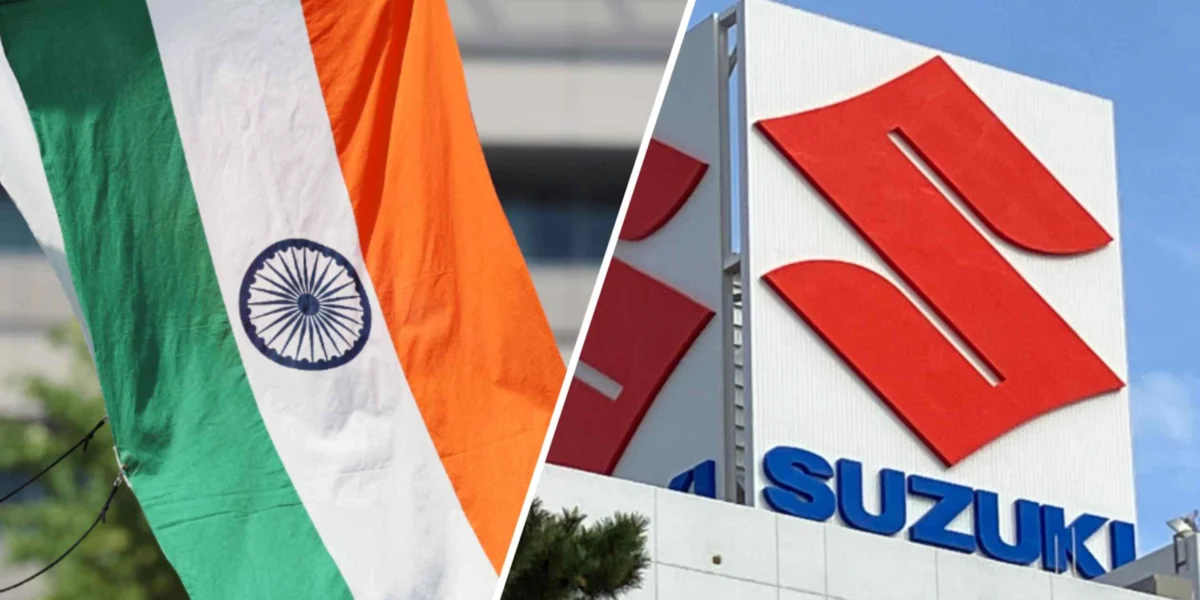
TOKYO — Suzuki Motor’s long-standing strategy of prioritizing small gasoline-powered vehicles in the burgeoning Indian market faces a significant challenge as the country enacts stringent new environmental regulations, effectively dismantling provisions that previously offered a competitive advantage to such vehicles. The shift marks a pivotal moment for the Japanese automaker, which has built a dominant presence in India through its subsidiary Maruti Suzuki, largely on the back of affordable, fuel-efficient compact cars.

The recent regulatory changes, implemented by the Indian government, signal a broader commitment to enhancing environmental protection and aligning with global efforts to curb vehicular emissions. For years, India’s automotive policy landscape, while increasingly focused on environmental concerns, had contained specific clauses that indirectly benefited manufacturers concentrating on smaller engine displacements. These provisions often related to taxation structures, fuel efficiency mandates, or emissions testing methodologies that were more lenient for smaller vehicles. The scrapping of these favorable terms means that Suzuki’s core product portfolio will now face a more level playing field, but also increased compliance costs and potentially a need for accelerated technological adaptation.
Background: Suzuki’s Dominance and India’s Evolving Automotive Landscape
Suzuki Motor has enjoyed unparalleled success in India for decades. Through Maruti Suzuki, the company has consistently held a market share exceeding 40%, a feat unmatched by any other automaker in such a large automotive market. This dominance is largely attributed to its early entry into the market and its astute understanding of Indian consumer preferences. For a nation where affordability and fuel economy are paramount, Suzuki’s lineup of small hatchbacks and sedans, such as the Alto, WagonR, and Swift, became ubiquitous. These vehicles were not only cost-effective to purchase but also inexpensive to operate, making them the vehicles of choice for millions of Indian households.

The company’s manufacturing prowess in India, coupled with a vast and efficient distribution network, further solidified its position. Maruti Suzuki became synonymous with reliable, accessible transportation. This success, however, was also built upon a regulatory environment that, at times, was more accommodating to its existing business model. While India has been progressively tightening its emissions and fuel efficiency standards, the pace and specifics of these regulations have historically allowed for a more gradual transition for manufacturers heavily invested in internal combustion engine (ICE) technology, particularly smaller ICE engines.
The Regulatory Shift: A Move Towards Stricter Environmental Standards
The latest regulatory overhaul represents a more decisive step by the Indian government to accelerate the country’s transition towards cleaner mobility. While specific details of the scrapped provisions are not explicitly enumerated in the provided snippet, the implication is that the previous framework offered a distinct advantage to smaller gasoline cars. This could have manifested in several ways:

- Emissions Standards: Older regulations might have had less stringent tailpipe emission limits for smaller engines, or a different testing cycle that favored them. The new rules are likely to impose more rigorous standards across all vehicle segments.
- Fuel Efficiency Norms: Similar to emissions, fuel efficiency targets may have been set with different benchmarks for various engine sizes. The removal of preferential treatment means all vehicles will need to meet progressively higher efficiency standards.
- Taxation Policies: Historically, India has used taxation to influence consumer choices and encourage environmentally friendly vehicles. If smaller cars benefited from lower taxes or duties under previous structures, these advantages are now likely to be phased out or significantly reduced.
- Subsidies and Incentives: While not explicitly mentioned, it’s possible that past incentives for certain types of vehicles, which might have indirectly favored smaller gasoline cars, have also been re-evaluated.
The decision to toughen these regulations is aligned with India’s broader environmental goals, including its commitments under international agreements to reduce greenhouse gas emissions and combat air pollution. The automotive sector is a significant contributor to both, making regulatory intervention a critical tool.
Timeline and Key Developments
While the exact date of the regulatory decision is not provided, the article is dated October 29, 2026. This suggests that the changes have either recently come into effect or are about to be implemented, prompting this reporting. The image caption, "Indian automakers opposed Suzuki’s efforts to carve out an exception to tightening emissions standards," provides crucial context. This indicates that Suzuki Motor, likely through its Indian subsidiary Maruti Suzuki, may have lobbied for continued favorable treatment for its small car segment as emissions standards tightened. The opposition from "Indian automakers" (which could refer to domestic players or other international manufacturers operating in India) suggests a broader industry consensus or a desire for a more uniform regulatory environment that doesn’t favor one specific segment or manufacturer over others.

The timeline of regulatory evolution in India’s automotive sector has been marked by a gradual but consistent push towards stricter environmental norms:
- Early 2000s: Introduction of Bharat Stage (BS) emission standards, initially mirroring European standards.
- Mid-2010s: Significant tightening of BS-IV standards, leading to the phasing out of older, more polluting vehicles.
- 2017-2020: Accelerated transition to BS-VI (equivalent to Euro 6) standards, a major technological leap for the industry, requiring significant investment in cleaner engine technologies and fuel. This period also saw increased focus on fuel efficiency norms.
- Present (circa 2026): The current regulatory shift, which appears to be a further refinement or a more comprehensive overhaul, specifically targeting provisions that once benefited smaller gasoline cars.
Suzuki’s opposition, as suggested by the caption, likely occurred during the preceding years as the inevitability of stricter norms became apparent. The company may have sought a prolonged period of adaptation or specific exemptions to protect its dominant market share built on the back of its existing small car technology. The fact that these efforts were opposed and that the regulations are moving forward indicates a strong governmental resolve to prioritize environmental objectives over industry-specific lobbying for less stringent measures.

Supporting Data and Market Implications
India is one of the world’s largest and fastest-growing automotive markets. In 2023, it surpassed Japan to become the third-largest automobile market globally by volume, with sales of over 4.1 million units. The passenger vehicle segment is a significant contributor to this volume, with small cars and compact SUVs forming the backbone of sales.
Maruti Suzuki’s market share has historically been driven by its dominance in the sub-compact and compact car segments. For instance, in the fiscal year 2023-24, models like the WagonR, Swift, Baleno, and Alto K10 consistently ranked among the top-selling passenger vehicles in India. These models typically feature engine displacements between 800cc and 1.5 liters, fitting squarely into the category of "small gasoline cars."

The implications of the new regulations are multifaceted:
- Increased Investment in Technology: Suzuki will likely need to accelerate its investment in developing and deploying advanced gasoline engine technologies that meet the new, stricter emission and fuel efficiency standards. This could include more sophisticated exhaust after-treatment systems, turbocharging, and hybridization.
- Shift in Product Strategy: While small gasoline cars will remain relevant, the competitive edge they once held will diminish. This might prompt Suzuki to further diversify its portfolio, potentially increasing its focus on sport utility vehicles (SUVs), which are increasingly popular in India, or exploring alternative powertrains more aggressively.
- Cost Pressures: Meeting higher environmental standards often translates to higher manufacturing costs, which may eventually be passed on to consumers. This could impact the affordability of new vehicles, a critical factor in the price-sensitive Indian market.
- Competition: The leveling of the playing field could offer other manufacturers an opportunity to gain market share if they are better positioned to adapt to the new regulations or have already invested in cleaner technologies.
- Electrification Push: While not explicitly mentioned, such regulatory tightening on ICE vehicles often serves as a catalyst for greater adoption of electric vehicles (EVs) and hybrid technologies. Suzuki has been slower to embrace full electrification compared to some global rivals, and this regulatory shift may necessitate a more rapid transition in its long-term strategy for India.
Official Responses and Industry Reactions (Inferred)
While the article does not contain direct quotes, the caption provides a strong indication of the dynamics at play. The "opposition from Indian automakers" suggests that while Suzuki may have sought exceptions, other industry players likely favored a uniform regulatory environment. This could be because they:

- Already adhere to higher standards or are better equipped to do so.
- See an opportunity to compete more effectively against Suzuki if its traditional advantages are neutralized.
- Believe that a consistent regulatory framework is essential for long-term industry planning and investment.
The Indian government’s stance, as evidenced by the implementation of stricter regulations, is clearly prioritizing environmental protection and alignment with global sustainability goals. This indicates a firm resolve to drive the automotive sector towards cleaner technologies, even if it presents challenges for established business models.
Suzuki Motor, through its public statements in the past, has often emphasized its commitment to the Indian market and its understanding of local consumer needs. However, the company has also historically advocated for a pragmatic approach to environmental regulations, balancing ambition with economic realities. The current situation likely presents a scenario where the government’s environmental ambitions have taken precedence.

Broader Impact and Future Outlook
The regulatory changes in India have far-reaching implications beyond just Suzuki. They signal a clear direction for the entire automotive industry operating in the country. Manufacturers will be compelled to invest more heavily in research and development for cleaner internal combustion engines, as well as in the burgeoning field of electrification.
For consumers, this could mean a gradual increase in vehicle prices as manufacturers pass on compliance costs. However, it also promises a future with cleaner air and reduced environmental impact from transportation. The long-term success of this transition will depend on the government’s continued support for EV infrastructure, battery technology development, and consumer incentives for cleaner mobility solutions.

Suzuki’s ability to navigate this new regulatory landscape will be crucial for its continued dominance in India. The company’s vast manufacturing base and deep understanding of the Indian market are significant assets. However, its willingness and ability to accelerate its technological adaptation, particularly in areas like hybridization and potentially full electrification, will be key determinants of its future success. The era of preferential treatment for small gasoline cars in India appears to be drawing to a close, ushering in a new chapter for the nation’s automotive industry, one driven by stricter environmental imperatives and a global push towards sustainable mobility.