Lina Wu
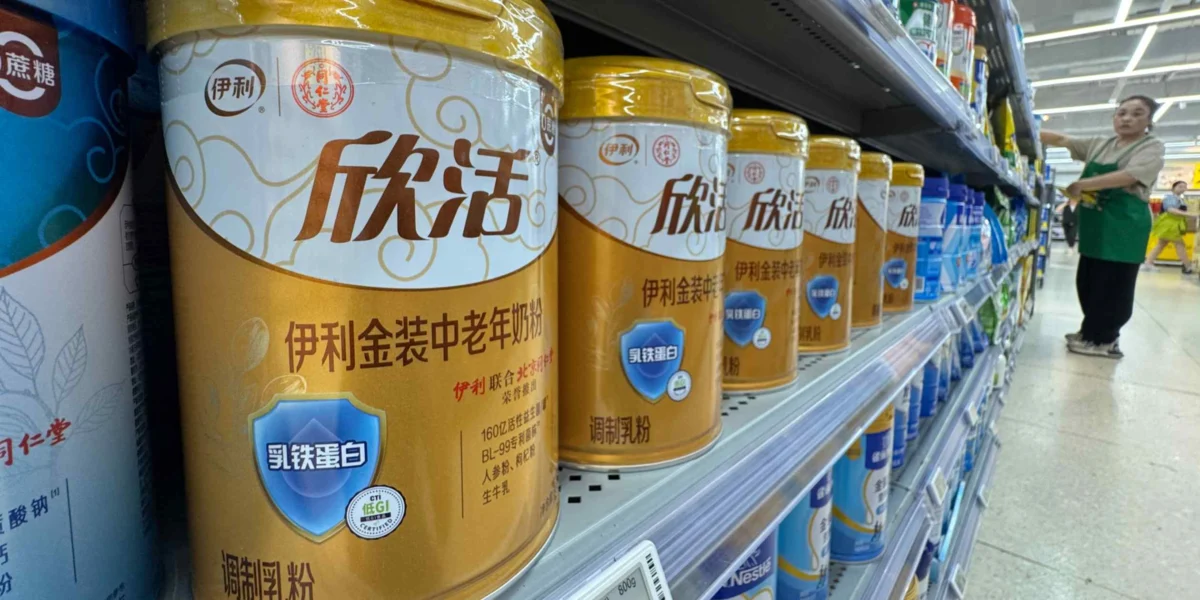
TOKYO/DALIAN, China — China’s dairy sector is grappling with a significant oversupply, a situation where production has outpaced domestic consumption, forcing companies to innovate, explore new markets, or, in some instances, withdraw from the market altogether. This burgeoning surplus is a clear indicator of evolving consumer preferences, demographic shifts, and the complex interplay of domestic policy and global market dynamics. The image of Yili’s powdered milk marketed for older adults, observed in a Dalian supermarket, serves as a potent symbol of the industry’s strategic pivot to address this surplus by targeting a demographic previously underserved by the dairy sector.
The Brewing Oversupply: A Statistical Snapshot
The current oversupply in China’s dairy market is not a sudden phenomenon but rather the culmination of several years of aggressive expansion and investment. Official statistics from the National Bureau of Statistics of China reveal a steady upward trend in milk production. In 2023, for example, the country’s milk output reached an estimated 40 million metric tons, a figure that has consistently grown year-on-year, fueled by government support for dairy farming and increased investment from both domestic and international players.
However, the demand side of the equation presents a more nuanced picture. While per capita dairy consumption has been rising in China, it still lags behind many developed nations. Factors contributing to this include traditional dietary habits, lactose intolerance among a significant portion of the population, and, more recently, concerns about product safety and quality that have periodically shaken consumer confidence. Data from the China Dairy Association indicates that while consumption has grown, it has not kept pace with the exponential increase in production capacity. This widening gap has led to an estimated surplus of several million tons of milk annually, putting immense pressure on dairy processors and farmers.
A Timeline of Transition and Turbulence
The roots of China’s current dairy predicament can be traced back to the early 2010s. Following a series of high-profile food safety scandals, most notably the 2008 melamine scandal that involved infant formula and resulted in widespread illness and deaths, the Chinese government prioritized the development of a robust and safe domestic dairy industry. This led to significant policy support, including subsidies for dairy farmers, incentives for technological upgrades, and encouragement for large-scale dairy farming operations.
By the mid-2010s, major Chinese dairy giants like Yili Group and Mengniu Dairy began a period of rapid expansion, investing heavily in new farms, processing facilities, and research and development. This was often coupled with aggressive marketing campaigns and the introduction of a wide array of dairy products, from fresh milk and yogurt to various forms of powdered milk and milk-derived nutritional supplements.
The COVID-19 pandemic, however, introduced unforeseen disruptions. While demand for some dairy products, particularly those associated with health and immunity, saw a temporary surge, the broader economic slowdown and shifts in consumer spending patterns began to exert pressure. Supply chain disruptions and lockdowns also impacted distribution networks.
The period from 2022 onwards has seen the oversupply issue become increasingly acute. Reports of milk being dumped by farmers due to falling prices and lack of buyers became more frequent. This led to a reassessment of strategies by major players and a visible shift in their market approaches. The appearance of specialized products like Yili’s powdered milk for older adults in late 2026 is a direct consequence of this evolving landscape, signaling a strategic effort to find new demand channels.
Emerging Strategies: Targeting New Demographics and Markets
The oversupply has compelled Chinese dairy companies to adopt a multi-pronged approach to navigate the challenging market. One of the most prominent strategies is the diversification of product offerings and the targeting of previously underserved consumer segments.
1. The Aging Population: A New Frontier for Dairy
China’s rapidly aging population presents a significant opportunity. With a growing cohort of elderly individuals, there is an increasing demand for products that support health, bone density, and overall well-being. Yili’s initiative with powdered milk for older adults is a prime example of this trend. These products are often fortified with calcium, Vitamin D, and other nutrients essential for senior health. This segment offers a potential avenue for increased consumption that is less susceptible to the rapid shifts in taste that characterize younger demographics.
2. Innovation in Functional Foods and Beverages
Beyond traditional dairy products, companies are investing in functional foods and beverages that leverage dairy’s nutritional benefits. This includes probiotic-rich yogurts, milk-based protein shakes, and even dairy-infused snacks. The focus is on catering to health-conscious consumers who are looking for more than just basic nutrition. Research and development in this area are crucial for creating differentiated products that can command premium pricing and capture niche markets.
3. Export Market Expansion
While domestic consumption is a primary focus, Chinese dairy companies are also increasingly looking to international markets. Southeast Asia, with its growing middle class and increasing demand for dairy products, is a key target. However, competing in global markets requires meeting stringent international quality standards and navigating complex trade agreements. Furthermore, the established presence of global dairy giants in these regions poses a significant competitive challenge.
4. Industry Consolidation and Efficiency
The pressure of oversupply is also expected to drive consolidation within the industry. Smaller, less efficient farms and processors may struggle to remain competitive, leading to mergers and acquisitions. Companies that can achieve greater economies of scale, optimize their supply chains, and improve operational efficiency are better positioned to weather the storm.
Industry Reactions and Expert Analysis
The situation has drawn reactions from various stakeholders. Dairy farmers, particularly those in smaller operations, have expressed concerns about declining milk prices and the sustainability of their livelihoods. Some have reported being forced to reduce their herds or even cease operations due to mounting losses.
Industry analysts suggest that the current oversupply is a signal of market maturity and a necessary correction after a period of rapid, and perhaps unsustainable, growth. "China’s dairy market is no longer a simple ‘growth at all costs’ scenario," commented Dr. Li Wei, a senior agricultural economist at the Beijing-based think tank, China Policy Institute. "Companies need to move from a volume-driven strategy to a value-driven one, focusing on product differentiation, consumer insights, and operational excellence."
The government has also acknowledged the challenges. While still committed to supporting the domestic dairy industry, policymakers are reportedly exploring measures to better align production with demand, potentially through more targeted subsidies and enhanced market monitoring. There are also discussions about promoting domestic consumption through public health campaigns and school nutrition programs.
Broader Implications: Economic and Societal Ripples
The dairy oversupply has far-reaching implications beyond the immediate industry.
Economic Impact: A prolonged period of low milk prices can impact rural economies, affecting the livelihoods of millions of farmers and agricultural workers. It can also strain the financial health of dairy companies, potentially affecting investment in innovation and expansion. The need to manage surplus also presents a logistical challenge, requiring significant investment in storage and transportation infrastructure.
Consumer Confidence and Safety: While the industry is making strides in safety and quality, the ongoing challenges of oversupply can, if not managed effectively, reignite consumer concerns. Ensuring transparency in production and rigorous quality control remains paramount for rebuilding and maintaining trust.
Environmental Considerations: Large-scale dairy farming, while contributing to economic activity, also has environmental considerations. Managing waste, water usage, and greenhouse gas emissions from a growing herd requires careful environmental stewardship. The current surplus might necessitate a more measured approach to future herd expansion.
Shift in Dietary Habits: The industry’s efforts to cater to diverse consumer needs, especially by targeting the elderly and promoting functional foods, could subtly influence broader dietary habits in China. This shift towards more specialized and health-oriented consumption patterns is likely to continue, presenting both opportunities and challenges for the food industry as a whole.
The oversupply in China’s dairy market is a complex issue with no easy solutions. It represents a critical juncture for the industry, demanding strategic adaptation, innovation, and a keen understanding of evolving consumer behavior and demographic trends. The success of companies like Yili in finding new market niches, such as catering to the aging population, will be a key indicator of the sector’s ability to navigate this period of transition and emerge stronger. The long-term outlook will depend on the industry’s capacity to balance production with demand, uphold stringent quality standards, and effectively respond to the nuanced needs of a dynamic consumer base.