Lina Wu
TOKYO — At a pair of annual dialogues on the Japan-U.S. alliance held in Tokyo on Friday and Saturday, policymakers, scholars, and businesspeople from both nations convened, their discussions overwhelmingly dominated by the looming presence of China, an uninvited but ever-present topic. The meetings, a cornerstone of bilateral strategic coordination, this year amplified a palpable sense of urgency regarding Beijing’s expanding regional influence and its implications for security and economic stability across the Indo-Pacific.
Deepening Strategic Alignment Amidst Shifting Regional Dynamics
The annual dialogues, a recurring fixture in the Japan-U.S. diplomatic calendar, serve as crucial platforms for in-depth consultations on the multifaceted dimensions of their enduring alliance. These gatherings typically bring together a broad spectrum of stakeholders, including senior government officials, leading academics specializing in international relations and security, and influential figures from the business community. The objective is to foster a shared understanding of contemporary challenges and opportunities, and to articulate strategies for strengthening bilateral cooperation.
This year’s sessions, held on October 23rd and 24th, 2026, were particularly notable for their singular focus on China. While the alliance has long acknowledged Beijing’s growing military and economic power, the recent trajectory of China’s foreign policy, characterized by increased assertiveness in the South China Sea, its unwavering stance on Taiwan, and its expansive Belt and Road Initiative, has galvanized a more unified and proactive response from Tokyo and Washington. Discussions revolved around enhancing joint military readiness, coordinating responses to potential regional crises, and bolstering economic resilience against perceived Chinese economic coercion.
Key Themes and Emerging Concerns
A central theme resonating throughout the dialogues was the imperative to bolster deterrence in the Indo-Pacific. This encompassed a detailed examination of China’s rapid military modernization, including its naval expansion, advanced missile programs, and growing cyber capabilities. Participants underscored the need for the Japan-U.S. alliance to maintain a qualitative and quantitative edge, not as a prelude to conflict, but as a means to prevent it.
Military Modernization and Joint Capabilities:
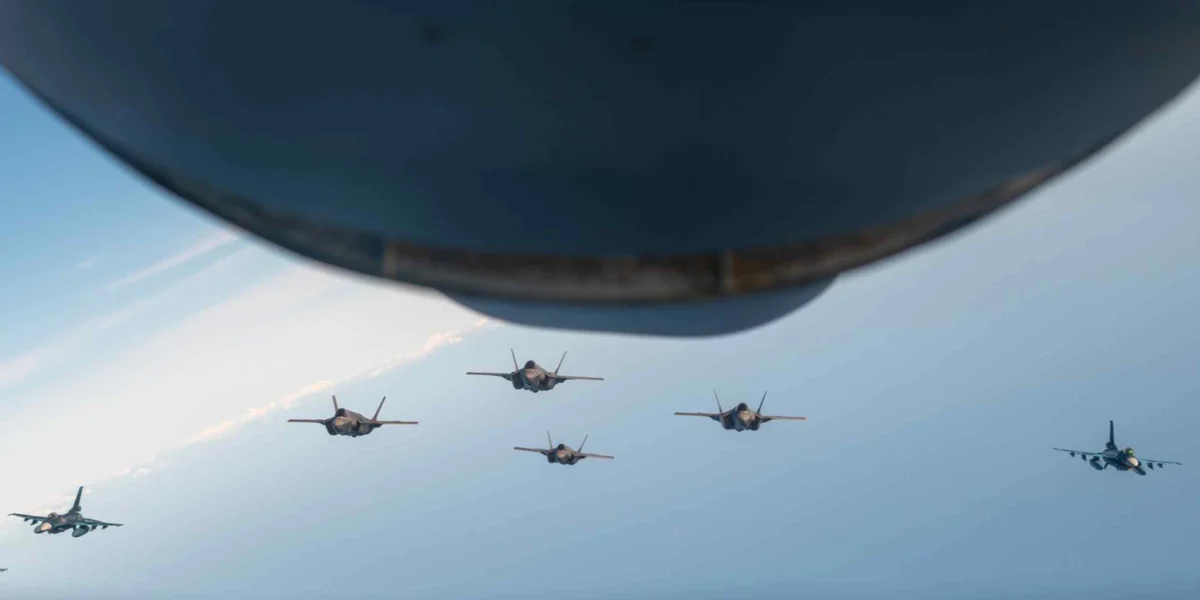
Discussions delved into specific areas of military cooperation, including the potential for joint development and deployment of advanced defense technologies. The integration of Japanese and American forces, already a hallmark of the alliance, was explored with a view to achieving seamless interoperability in complex operational environments. This included discussions on enhancing command and control structures, joint intelligence sharing, and coordinated training exercises. The recent deployment of advanced F-35 fighter jets by both nations, exemplified by their joint exercises over the Sea of Japan in June 2023, served as a tangible illustration of this ongoing integration. Further exercises and the potential for interoperable weapon systems were prominent topics.
Economic Security and Supply Chain Resilience:
Beyond military considerations, the dialogues placed significant emphasis on economic security. Concerns were raised regarding China’s economic leverage and its potential use for political or strategic ends. Participants explored strategies to diversify supply chains, reduce dependence on single sources, and strengthen economic partnerships with like-minded countries in the region. This included discussions on critical mineral sourcing, semiconductor manufacturing, and the protection of intellectual property. The impact of China’s state-backed industrial policies and its efforts to gain technological dominance were also scrutinized.
Taiwan Strait and Freedom of Navigation:
The delicate situation surrounding Taiwan was a recurring point of discussion. Both sides reiterated their commitment to peace and stability in the Taiwan Strait and acknowledged the potential implications of any unilateral change to the status quo. The dialogues explored various scenarios and contingency planning, with a focus on enhancing Japan’s self-defense capabilities and the U.S. commitment to regional security. Furthermore, the importance of maintaining freedom of navigation and overflight in international waters, particularly in the South China Sea, was reaffirmed, with concerns voiced over China’s expansive maritime claims and its militarization of disputed features.
Historical Context and Evolving Alliance Dynamics
The Japan-U.S. alliance, forged in the aftermath of World War II, has undergone significant evolution. Initially conceived as a cornerstone of American security policy in Asia, it has progressively transformed into a more robust and comprehensive partnership, reflecting the changing geopolitical landscape.
Post-War Security Framework: The alliance’s origins can be traced to the 1951 Treaty of Mutual Cooperation and Security, which established a framework for mutual defense and allowed for the stationing of U.S. forces in Japan. This arrangement provided Japan with a security umbrella, enabling its remarkable post-war economic recovery.
Shifting Perceptions of Threat: For decades, the primary perceived threat was the Soviet Union. However, with the dissolution of the Soviet Union in 1991, and the subsequent rise of China, the strategic calculus began to shift. Japan, in particular, found itself increasingly concerned by China’s growing military power and its territorial disputes with neighboring countries.
Modernizing the Alliance: In recent years, the alliance has seen a concerted effort to modernize and adapt to new challenges. This includes expanded roles for the Japan Self-Defense Forces (JSDF), increased interoperability, and a broader scope of cooperation encompassing issues such as space, cyber security, and disaster relief. The Joint Statement on Security Cooperation, released in 2023, marked a significant step in this modernization process, outlining a shared vision for a "free and open Indo-Pacific." The dialogues this year represent a continuation and acceleration of these efforts.
Supporting Data and Analysis
The urgency driving these dialogues is underscored by a range of observable data points. China’s defense budget has seen consistent annual increases, estimated to be in the low double digits for much of the past two decades. By 2025, its defense spending was projected to exceed $300 billion annually, a significant portion of which is allocated to naval expansion and the development of advanced missile systems.
Naval Power: China’s People’s Liberation Army Navy (PLAN) is now the largest in the world by number of ships, surpassing the U.S. Navy. While numbers do not always equate to capability, the PLAN’s rapid growth in modern frigates, destroyers, and aircraft carriers is a significant development.
Missile Capabilities: China possesses the world’s largest arsenal of ballistic and cruise missiles, including hypersonic weapons, which pose a direct challenge to the security of U.S. allies in the region.
Economic Influence: China’s economic clout, while a source of prosperity for many, also presents challenges. Its control over critical supply chains, particularly in rare earth minerals and advanced electronics, can be leveraged for strategic advantage. For instance, in 2023, China accounted for over 60% of the global supply of rare earth elements, crucial for advanced technologies ranging from smartphones to defense systems.
Taiwan Strait Tensions: Incidents of Chinese military aircraft incursions into Taiwan’s Air Defense Identification Zone (ADIZ) have become more frequent, with dozens of sorties recorded monthly in recent years. These activities, coupled with increased naval presence, signal a heightened level of assertiveness and a potential for escalation.
Implications for Regional Stability
The intensified focus on China within the Japan-U.S. alliance carries significant implications for regional and global stability.
Deterrence and De-escalation: A strengthened and more integrated Japan-U.S. alliance can serve as a potent deterrent against aggressive actions, thereby contributing to de-escalation of potential conflicts. However, it also risks being perceived by China as a containment strategy, potentially leading to an arms race or heightened tensions.
Economic Realignment: The push for economic diversification and supply chain resilience could lead to a recalibration of global trade patterns. This might create new economic opportunities for other countries in the region but could also lead to increased trade friction.
Alliance Cohesion: The shared focus on China has served to further solidify the Japan-U.S. alliance, reinforcing its relevance in the 21st century. However, maintaining this cohesion requires continuous dialogue and adaptation to evolving threats and challenges.
Official Statements and Reactions
While specific remarks from the dialogues are often kept confidential to facilitate frank discussions, the general tenor of public statements from Japanese and U.S. officials in the lead-up to and following such meetings provides insight.
Japanese Perspective: Japanese officials have consistently emphasized the importance of a "free and open Indo-Pacific" and the need for a rules-based international order. Prime Minister Fumio Kishida has repeatedly called for strengthening Japan’s defense capabilities and deepening security cooperation with the United States to counter what he terms "grave challenges."
U.S. Perspective: U.S. officials, including Secretary of State Antony Blinken and Secretary of Defense Lloyd Austin, have underscored the vital importance of the Japan-U.S. alliance as the cornerstone of U.S. strategy in the Indo-Pacific. They have consistently reiterated support for Japan’s security and its efforts to enhance its defense posture, while also expressing concerns about China’s assertive behavior.
Inferred Reactions from Related Parties: It is reasonable to infer that China’s reaction to these dialogues would be one of heightened scrutiny and likely criticism. Beijing has consistently characterized the U.S.-Japan alliance as a relic of the Cold War and a tool for containing its legitimate rise. Any perceived strengthening of this alliance, particularly in the context of discussions about regional security and Taiwan, would likely elicit strong diplomatic protests and potentially retaliatory actions, such as increased military exercises or diplomatic pressure on other regional actors. Neighboring countries in the Indo-Pacific, such as South Korea, Australia, and the Philippines, would likely view these dialogues with a mixture of reassurance and caution. While the enhanced security framework could offer greater regional stability, they would also be mindful of potential escalatory dynamics and their own positions within the complex geopolitical landscape.
The recurring dialogues between Japan and the United States, particularly in the current geopolitical climate, serve as a clear indicator of the shared strategic priorities and concerns that bind these two Pacific powers. The unwavering focus on China underscores the profound impact of Beijing’s growing assertiveness on regional security and the enduring commitment of Tokyo and Washington to maintaining stability and upholding an international order based on established norms and laws. The discussions held this past weekend, while not publicly detailed in their entirety, undoubtedly represent a critical juncture in the ongoing strategic alignment of the world’s foremost alliance, with implications that will continue to unfold across the Indo-Pacific and beyond.