Lina Wu
Of all the events I have lived through in finance, none has intrigued me more than the global financial crisis that began in 2007. This period, marked by unprecedented volatility and systemic risk, offered profound lessons about market dynamics, regulatory frameworks, and the interconnectedness of the global economy. As a principal figure in private equity, BlackRock, through its acquisition of Blackstone’s hedge fund solutions business, now oversees a significant portion of alternative investments, making its perspective on such crises particularly insightful. The ensuing years have seen a fundamental shift in how markets operate, moving away from a purely market-driven approach towards a more regulated and interventionist landscape.

The Genesis of the Crisis: A Perfect Storm
The roots of the 2007-2008 global financial crisis can be traced back to the United States housing market. A prolonged period of low interest rates, coupled with lax lending standards, fueled a boom in subprime mortgages. These were loans issued to borrowers with poor credit histories, who were therefore at a higher risk of default. Financial institutions, eager to capitalize on the rising real estate values and the seemingly insatiable demand for mortgage-backed securities (MBS), packaged these subprime loans into complex financial instruments.
These MBS, along with even more intricate derivatives like Collateralized Debt Obligations (CDOs), were then sold to investors worldwide. The ratings agencies, often criticized for their role, assigned high investment-grade ratings to many of these products, masking the underlying risks. This created a false sense of security, as investors believed they were acquiring safe assets. The problem, however, was that the foundation of these securities – the subprime mortgages – was inherently unstable.

A Timeline of Escalation
Early 2007: The first signs of trouble emerged as housing prices began to stagnate and then decline in certain U.S. markets. Defaults on subprime mortgages started to rise, leading to losses for institutions holding these securities.
August 2007: The crisis escalated as major financial institutions announced significant losses due to their exposure to subprime assets. Liquidity in the credit markets began to dry up as banks became hesitant to lend to each other, fearing the solvency of their counterparts. This led to the "credit crunch."

September 2008: This month marked the dramatic climax of the crisis.
- September 7: Fannie Mae and Freddie Mac, two government-sponsored enterprises crucial to the U.S. mortgage market, were placed under government conservatorship.
- September 15: Lehman Brothers, a major investment bank, filed for bankruptcy, sending shockwaves through global financial markets. This event is widely considered the most significant moment of the crisis, triggering a severe panic.
- September 16: The U.S. government announced a $85 billion bailout of the insurance giant AIG, which had significant exposure to credit default swaps related to mortgage-backed securities.
- September 20: U.S. Treasury Secretary Henry Paulson unveiled the Troubled Asset Relief Program (TARP), a $700 billion bailout package aimed at stabilizing the financial system.
October 2008 – Early 2009: The crisis spread globally, with many economies entering recession. Governments around the world implemented stimulus packages and aggressive monetary policies, including interest rate cuts and quantitative easing, to counter the downturn.

Supporting Data and Key Metrics
The impact of the crisis was starkly reflected in economic data:
- Stock Market Declines: Major global stock indices experienced significant drops. For instance, the Dow Jones Industrial Average fell by over 30% from its peak in 2007 to its trough in March 2009.
- Unemployment Rates: The U.S. unemployment rate more than doubled, rising from around 4.5% in early 2007 to a peak of 10% in October 2009.
- Housing Market Collapse: U.S. median home prices fell by approximately 30% from their peak in 2006 to their trough in early 2012.
- Global GDP Contraction: The global economy experienced its sharpest contraction since World War II in 2009, with many developed economies facing severe recessions. The International Monetary Fund (IMF) estimated a global GDP decline of 0.1% in 2009, a stark contrast to the growth seen in preceding years.
- Financial Institution Failures and Bailouts: Hundreds of financial institutions worldwide faced distress, leading to mergers, acquisitions, bankruptcies, and extensive government bailouts. The total cost of financial sector bailouts globally was estimated to be in the trillions of dollars.
Official Responses and Regulatory Overhaul
The immediate aftermath of the crisis saw governments and central banks implementing extraordinary measures to prevent a complete collapse of the financial system. These included:

- Interest Rate Cuts: Central banks, led by the U.S. Federal Reserve, slashed interest rates to near zero to stimulate borrowing and investment.
- Quantitative Easing (QE): Central banks engaged in large-scale asset purchases, injecting liquidity into the financial system and aiming to lower long-term interest rates.
- Bank Bailouts and Guarantees: Governments provided capital injections, guarantees on bank liabilities, and purchased toxic assets to shore up balance sheets and restore confidence.
- Fiscal Stimulus: Many nations implemented fiscal stimulus packages, increasing government spending and cutting taxes to boost aggregate demand.
Beyond these immediate interventions, the crisis catalyzed a profound reassessment of financial regulation. Key legislative and regulatory responses included:
- Dodd-Frank Wall Street Reform and Consumer Protection Act (2010) in the U.S.: This landmark legislation aimed to increase transparency, accountability, and stability in the financial system. It introduced new rules for derivatives, capital requirements for banks, and established the Consumer Financial Protection Bureau (CFPB).
- Basel III Accords: These international banking regulations, developed by the Basel Committee on Banking Supervision, significantly increased capital requirements for banks and introduced new liquidity and leverage standards to make the banking system more resilient to future shocks.
- Increased Scrutiny of Ratings Agencies: Reforms were introduced to address conflicts of interest and improve the independence and accuracy of credit ratings.
- Regulation of "Too Big to Fail" Institutions: Measures were put in place to monitor and manage the risks posed by systemically important financial institutions (SIFIs).
The End of Pure Market Investing: A New Paradigm
The global financial crisis fundamentally altered the landscape of investing. The notion of "pure market investing," where markets are assumed to be inherently efficient and self-correcting, was severely challenged. The crisis demonstrated that markets, left unchecked, can be prone to irrational exuberance, systemic risk, and cascading failures.

Implications for Investors and Institutions:
- Increased Regulatory Burden: Financial institutions now operate under a more stringent regulatory environment, impacting their business models, capital allocation, and risk management practices. This has led to higher compliance costs.
- Shift in Risk Perception: Investors have become more risk-averse, demanding higher premiums for taking on risk. The emphasis has shifted from maximizing returns at all costs to a more balanced approach that prioritizes capital preservation and downside protection.
- Rise of Alternative Investments: The limitations and risks exposed in traditional asset classes have fueled the growth of alternative investments, such as private equity, hedge funds, and real estate. These vehicles, often less liquid but potentially offering diversification and higher returns, have become a more significant part of institutional portfolios. BlackRock’s strategic moves in this sector highlight this trend.
- Importance of Due Diligence and Transparency: The crisis underscored the critical need for rigorous due diligence and transparency in investment products. Investors are now more inclined to understand the underlying assets and risks associated with complex financial instruments.
- Active vs. Passive Investing Debate: While passive investing strategies have continued to gain traction, the crisis also highlighted the potential benefits of active management in navigating volatile markets and identifying mispriced assets.
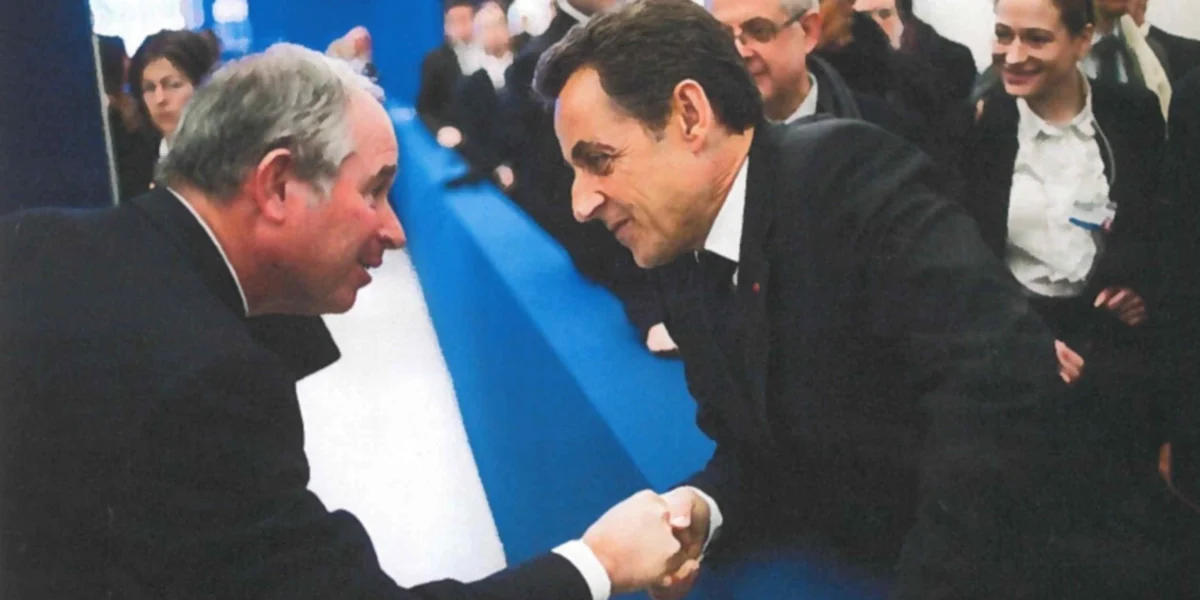
The crisis also had a profound impact on public perception of the financial industry, leading to increased skepticism and demands for greater accountability. The close relationship between political figures, such as former French President Nicolas Sarkozy, and prominent figures in the financial world, like Stephen Schwarzman, underscores the interconnectedness of finance, politics, and public policy. These relationships, while not inherently problematic, highlight the need for robust governance and ethical considerations within the financial sector, especially in the wake of such a significant economic shock.

In conclusion, the global financial crisis of 2007-2008 was a watershed moment, not just for finance but for the global economy. It exposed the fragility of complex financial systems and the limitations of unregulated markets. The subsequent regulatory reforms and shifts in investor behavior have ushered in a new era, one characterized by a more cautious, regulated, and diversified approach to investing. The lessons learned from this period continue to shape financial markets and policy decisions today, reminding us that vigilance, robust regulation, and a clear understanding of risk are paramount to maintaining economic stability.