Lina Wu
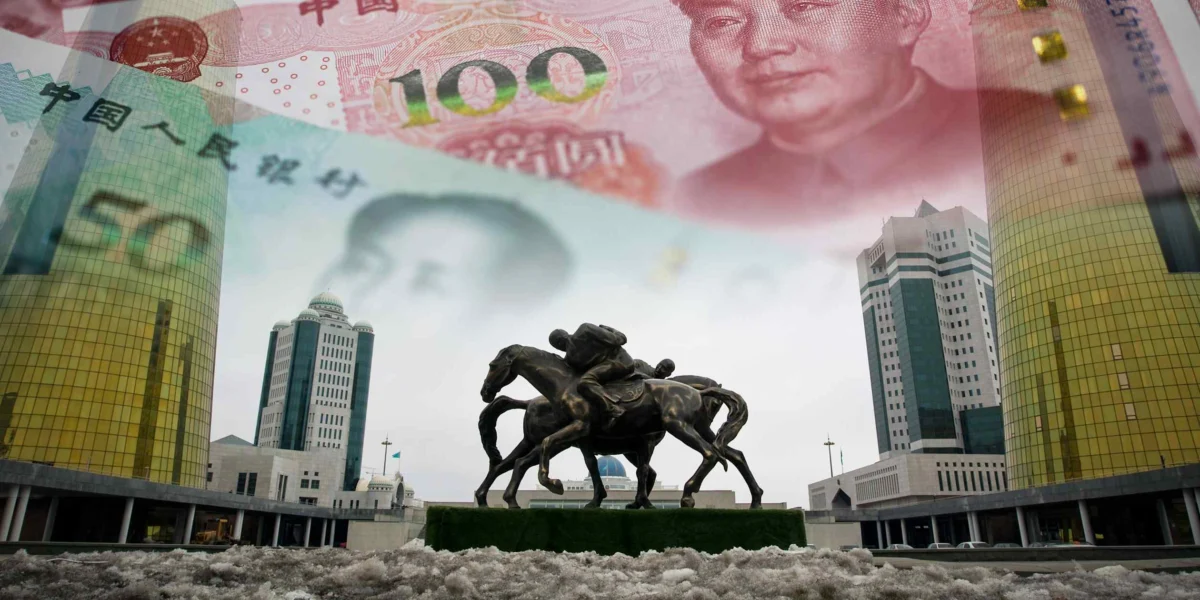
HONG KONG — Borrowers from Kazakhstan are capitalizing on remarkably low financing costs denominated in the Chinese renminbi (yuan), participating in a burgeoning bond market as diplomatic and economic ties deepen between Beijing and Central Asia’s largest oil exporter. This trend underscores a significant shift in regional finance, driven by China’s increasing global financial influence and Kazakhstan’s strategic efforts to diversify its funding sources. The Kazakh sovereign wealth fund, Samruk-Kazyna, has been a prominent participant, raising substantial capital through yuan-denominated bonds this year, a move that signals a growing confidence in the currency and the underlying economic relationship.
The strategic embrace of yuan bonds by Kazakh entities is not merely a tactical financial maneuver; it is deeply rooted in the evolving geopolitical and economic landscape of Eurasia. For years, Kazakhstan has sought to balance its relationships with major global powers, including Russia, the West, and China. In recent times, however, the economic gravity of China has become increasingly undeniable, particularly following the global supply chain disruptions and the geopolitical realignments triggered by the conflict in Ukraine. Beijing’s Belt and Road Initiative (BRI) has also significantly amplified its economic footprint across Central Asia, fostering greater integration and creating new avenues for financial cooperation.
Samruk-Kazyna’s Strategic Yuan Issuance
The Kazakh sovereign wealth fund, Samruk-Kazyna, which manages a vast portfolio of state-owned enterprises across strategic sectors such as oil and gas, mining, and telecommunications, has been at the forefront of this yuan financing trend. In 2026, the fund has actively tapped into the offshore yuan bond market, known as Dim Sum bonds, to secure funding. These issuances offer a compelling alternative to traditional dollar or euro-denominated debt, which can often carry higher interest rates and be subject to greater exchange rate volatility.
The exact volume of Samruk-Kazyna’s yuan bond issuances in 2026 is substantial, reflecting a deliberate strategy to leverage the current favorable financing conditions. While precise figures can fluctuate with market dynamics, available reports indicate that the fund has successfully raised hundreds of millions of dollars equivalent in yuan through these instruments. This capital is crucial for Samruk-Kazyna’s ongoing investment in infrastructure development, energy projects, and the modernization of Kazakhstan’s industrial base. The fund’s decision to issue bonds in yuan signals a pragmatic approach to cost optimization and a growing comfort with the renminbi as a reliable international currency for large-scale financing.
The Allure of Ultra-Low Financing Costs
The primary driver behind the surge in Kazakh yuan bond issuance is the sustained period of ultra-low interest rates in China, particularly for offshore yuan. Factors contributing to this include the People’s Bank of China’s (PBOC) accommodative monetary policy, aimed at stimulating domestic economic growth, and the managed appreciation of the yuan, which has provided a degree of stability for foreign borrowers. Compared to the benchmark interest rates in Western markets, which have seen significant hikes in recent years to combat inflation, the yields on yuan bonds have remained exceptionally attractive.
For instance, a typical yuan-denominated bond issued by a creditworthy entity might offer a yield significantly lower than a comparable dollar or euro bond. This differential translates directly into reduced borrowing costs for Kazakh companies and the government, freeing up capital for investment and reducing the overall debt servicing burden. This is particularly advantageous for Kazakhstan, an economy heavily reliant on commodity exports, where revenue streams can be subject to global price fluctuations. Lower financing costs provide a buffer against such volatilities and enhance the country’s fiscal resilience.
A Growing Trend in Central Asia
Kazakhstan is not an isolated case; other Central Asian nations are also increasingly exploring the yuan as a funding currency. As China solidifies its position as the dominant economic partner in the region, the use of the yuan in trade, investment, and finance has naturally expanded. The development of onshore and offshore yuan clearing centers, coupled with increasing liquidity in the yuan bond market, has made it more accessible and appealing for regional borrowers.
This trend is a testament to the gradual internationalization of the yuan, a long-term objective of the Chinese government. By encouraging the use of its currency in cross-border transactions and capital markets, Beijing aims to enhance the yuan’s global standing and reduce its reliance on the US dollar for international trade and finance. Central Asian countries, situated at the heart of China’s BRI, are natural early adopters of this financial integration.
Historical Context and Chronology
The deepening financial ties between Kazakhstan and China can be traced back to the early 2000s, with a significant acceleration following the launch of the Belt and Road Initiative in 2013.
- Early 2000s: Kazakhstan begins to engage more actively with China on trade and investment. Early bilateral currency swap agreements between the PBOC and the National Bank of Kazakhstan (NBK) are established, laying the groundwork for increased yuan usage.
- 2010s: The BRI intensifies China’s focus on infrastructure development across Central Asia, leading to increased Chinese investment and lending in Kazakhstan. The first yuan-denominated bonds issued by Kazakh entities emerge, albeit in smaller volumes.
- Late 2010s – Early 2020s: Global economic shifts, including trade tensions and the COVID-19 pandemic, highlight the benefits of diversifying funding sources. Kazakhstan actively seeks to reduce its reliance on Western capital markets.
- 2023-2026: A notable surge in yuan bond issuances by Kazakh entities, including Samruk-Kazyna, driven by persistently low yuan interest rates and the strengthening of bilateral economic relations. This period marks a significant increase in the volume and frequency of these transactions.
The increasing familiarity and comfort with the yuan as a financing instrument have been fostered through a series of initiatives, including the establishment of yuan clearing services in Kazakhstan and the promotion of yuan-denominated trade settlements.
Supporting Data and Market Dynamics
The attractiveness of yuan bonds for Kazakh borrowers is underscored by comparative interest rate data. For instance, if a 10-year US Treasury bond yields approximately 4.5% and a comparable euro bond yields around 3.5% in late 2026, a similarly rated Kazakh entity might find yuan-denominated bonds offering yields in the range of 2.5% to 3.0%. This significant differential can amount to substantial savings over the life of a bond, especially for the large-scale financings undertaken by entities like Samruk-Kazyna.
Furthermore, the yuan bond market has matured considerably. The volume of outstanding Dim Sum bonds has grown exponentially over the past decade, providing greater liquidity and depth for issuers. This market development, coupled with China’s efforts to liberalize its capital account, has made it easier for foreign entities to access yuan financing. The presence of strong institutional investors, both domestic Chinese and international, further supports the market.
Official Responses and Inferences
While direct official statements from Samruk-Kazyna or the Kazakh Ministry of Finance regarding specific yuan bond issuances are often limited due to the nature of financial markets, the actions themselves speak volumes. The consistent issuance of yuan bonds by a key state-owned entity like Samruk-Kazyna is a clear indication of official endorsement and strategic intent.
From the Chinese side, the embrace of these issuances aligns with Beijing’s broader objectives of promoting the yuan’s international use. China’s central bank, the PBOC, and financial regulators have actively supported the development of the offshore yuan market and encouraged its use in international financing. The success of Kazakh borrowers in this market can be seen as a positive indicator of the yuan’s growing acceptance and its potential as a global reserve and financing currency.
Inferred reactions from Western financial institutions might range from cautious observation to strategic adaptation. While the yuan bond market represents a growing segment of global finance, traditional Western institutions remain heavily invested in dollar and euro markets. However, the increasing prominence of yuan financing necessitates a closer understanding and engagement with these emerging trends. Analysts in Western financial centers are likely tracking these developments closely, assessing the implications for global capital flows and currency dynamics.
Broader Impact and Implications
The trend of Kazakh borrowers tapping yuan financing has several significant implications:
- Diversification of Funding Sources: It reduces Kazakhstan’s reliance on traditional Western capital markets, thereby enhancing its financial autonomy and resilience against external shocks originating from those markets.
- Strengthened Sino-Kazakh Economic Ties: Increased yuan-denominated financial activity deepens the economic interdependence between the two nations, potentially leading to greater cooperation in other areas.
- Accelerated Yuan Internationalization: Each successful yuan bond issuance by a major foreign entity contributes to the gradual internationalization of the renminbi, a key strategic goal for China.
- Potential for Increased Trade in Yuan: As more entities become comfortable with yuan financing, it could encourage a greater proportion of bilateral trade to be settled directly in yuan, further reducing reliance on the US dollar.
- Shifting Regional Financial Landscape: This trend signifies a broader shift in the financial architecture of Eurasia, with China playing an increasingly central role.
However, there are also potential risks and considerations. While yuan interest rates are currently low, they are subject to the monetary policy decisions of the PBOC and global economic conditions. Exchange rate fluctuations between the yuan and the Kazakh tenge, or other major currencies, can also impact the real cost of borrowing. Furthermore, the increasing financial integration with China also brings with it a greater degree of exposure to China’s economic policies and potential geopolitical sensitivities.
In conclusion, the increasing appetite for yuan-denominated bonds among Kazakh borrowers, exemplified by the strategic issuances of Samruk-Kazyna, represents a significant development in regional finance. It is a pragmatic response to attractive financing costs and a reflection of the deepening economic partnership between Kazakhstan and China. As this trend continues, it is poised to reshape the financial landscape of Central Asia and contribute to the ongoing evolution of the global financial system.