Lina Wu
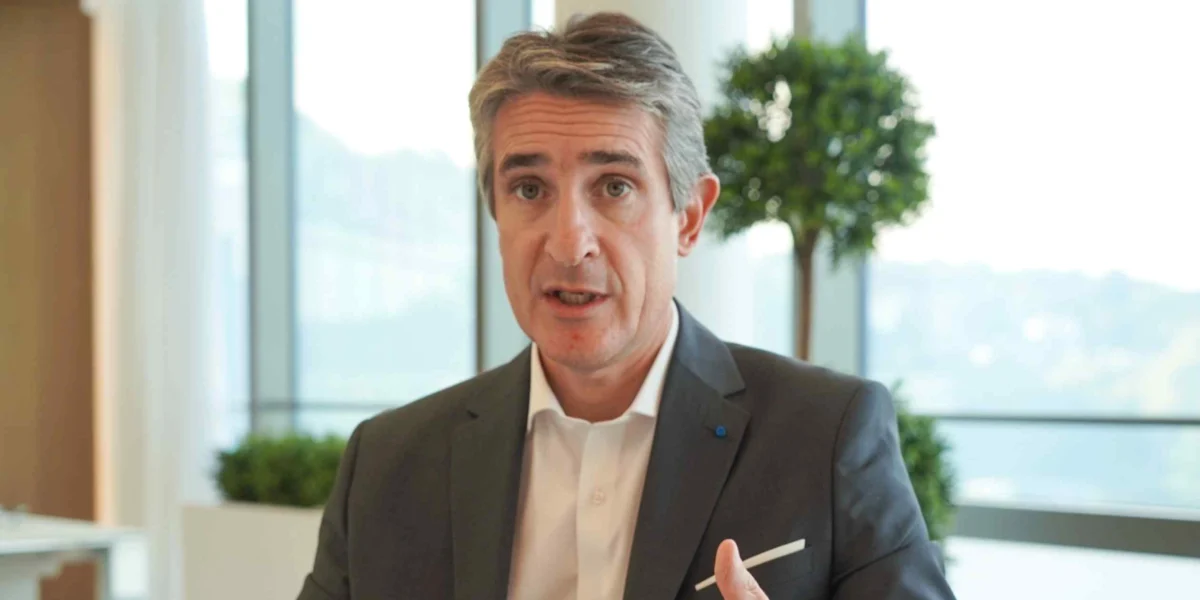
PARIS — French defense and technology giant Thales anticipates substantial growth opportunities within Japan’s burgeoning defense industry, with Chief Executive Officer Patrice Caine expressing optimism about potential partnerships with Japanese companies. Speaking to Nikkei at the company’s headquarters located on the outskirts of Paris, Caine highlighted the dynamic shifts occurring in Japan’s defense landscape, suggesting a fertile ground for Thales’s expansion and collaborative ventures. This outlook comes at a time when global defense spending is projected to remain robust, a trend Caine himself predicts will persist "for the next decade."
The strategic pronouncements from Thales’s leadership underscore a period of significant transformation for Japan’s security posture. Historically, Japan has maintained a constitutionally mandated pacifist stance, largely limiting its defense capabilities and international military involvement. However, in recent years, a confluence of geopolitical factors has prompted a reassessment of these long-held policies. The escalating assertiveness of China in the Indo-Pacific region, coupled with the ongoing volatility stemming from the war in Ukraine, has compelled Tokyo to significantly bolster its defense capabilities and re-evaluate its security alliances. This strategic pivot has been characterized by substantial increases in defense budgets, a push for indigenous defense production, and a greater willingness to engage in joint defense initiatives with like-minded nations.
Japan’s Evolving Defense Strategy: A Timeline of Transformation
The roots of Japan’s current defense recalibration can be traced back several years, with key milestones shaping its trajectory:
- 2015: The Abe administration enacted legislation that reinterpreted the post-war constitution, allowing for the exercise of "collective self-defense," a significant departure from previous interpretations that limited the Self-Defense Forces to defending Japan itself. This marked a crucial ideological shift, paving the way for more proactive security engagement.
- Late 2010s: Incremental increases in Japan’s defense budget began to take hold, signaling a growing recognition of the need for enhanced military readiness. This period saw a focus on modernizing existing platforms and investing in new technologies.
- 2020s (Early): The COVID-19 pandemic, while disruptive globally, did not diminish the perceived threats in the Indo-Pacific. Instead, it amplified concerns about supply chain resilience and the need for independent defense industrial capabilities.
- December 2022: Japan announced a landmark National Security Strategy, outlining plans to double its defense spending over the next five years, reaching approximately 2% of its GDP. This commitment represented a dramatic escalation in defense investment, signaling a fundamental shift in national priorities. The strategy also emphasized the acquisition of "counter-strike capabilities," a controversial but significant move aimed at deterring potential aggressors by possessing the means to strike enemy bases.
- Ongoing (2023-2026): The implementation of these ambitious defense plans has been evident through increased procurement orders, a greater emphasis on research and development in advanced defense technologies such as artificial intelligence, cyber warfare, and unmanned systems, and a more active pursuit of international defense cooperation.
Thales’s Strategic Imperatives and Japanese Market Potential
Thales, a global leader in aerospace, defense, security, and transportation, views Japan’s intensified focus on defense as a direct opportunity to leverage its extensive expertise and technological prowess. The company’s portfolio encompasses a wide range of critical defense systems, including radar, electronic warfare, optronics, naval combat systems, secure communications, and cybersecurity solutions. These are precisely the areas where Japan is seeking to enhance its capabilities.
"We see a lot of potential opportunities to grow our business in Japan," Caine stated, emphasizing the synergy between Thales’s offerings and Japan’s strategic defense requirements. He further elaborated on the prospect of forging robust partnerships with Japanese companies, indicating a desire to engage in co-development and co-production initiatives. This collaborative approach is crucial for Thales to navigate the complexities of the Japanese market, which often prioritizes domestic industrial participation.
The French defense giant’s interest in Japan is not a new development, but it has gained significant momentum in recent years. Thales has already established a presence in Japan, primarily through its subsidiary Thales Japan K.K., which focuses on providing advanced solutions to the Japanese market. However, the current geopolitical climate and Japan’s accelerated defense spending present an opportunity to deepen these existing ties and forge new ones.
Supporting Data: Global and Regional Defense Spending Trends
The optimism expressed by Thales’s CEO is grounded in observable global trends in defense expenditure. According to reports from the Stockholm International Peace Research Institute (SIPRI), global military expenditure reached an estimated $2.24 trillion in 2022, marking the eighth consecutive year of increase and the highest level recorded since 1988. This sustained rise is driven by a combination of factors, including ongoing conflicts, heightened geopolitical tensions, and the modernization of armed forces across various regions.
Within this global picture, the Indo-Pacific region has emerged as a key area of defense investment growth. Several countries in the region, including Japan, South Korea, Australia, and Taiwan, have significantly increased their defense budgets in response to perceived threats. Japan’s commitment to doubling its defense spending by 2027, as outlined in its National Security Strategy, represents one of the most substantial increases by a developed nation in recent history. This translates into a substantial market for defense equipment, technology, and services.
For Thales, this translates into concrete opportunities across its various business segments:
- Naval Systems: As Japan seeks to enhance its maritime defense capabilities, particularly in light of regional maritime disputes, Thales’s expertise in naval combat management systems, sonar, and other underwater technologies becomes highly relevant.
- Airborne Systems: The modernization of Japan’s air force and the development of advanced aerial platforms will create demand for Thales’s radar, electronic warfare, and mission systems.
- Land Systems: While naval and air power often dominate headlines, Thales also offers solutions for ground forces, including secure communication systems and optronics, which could find traction as Japan upgrades its land-based defense assets.
- Cybersecurity: In an increasingly digitized world, cybersecurity is paramount for national defense. Thales’s strong capabilities in this domain are directly applicable to Japan’s efforts to protect its critical infrastructure and defense networks.
Broader Implications and Expert Analysis
The intensified focus on defense by Japan has significant implications for the global defense industry and regional security dynamics. For Thales and other international defense contractors, it represents a lucrative market with substantial growth potential. However, it also necessitates a nuanced approach that respects Japanese industrial policy and fosters genuine collaboration.
Dr. Kenji Tanaka, a senior research fellow specializing in East Asian security at the International Institute for Strategic Studies (IISS), commented on the evolving landscape: "Japan’s increased defense spending and its willingness to acquire advanced capabilities are a direct reflection of the changing security environment. Companies like Thales, with their proven track record and broad technological base, are well-positioned to benefit. However, the key for them will be to demonstrate a long-term commitment to Japan, including technology transfer and local industrial partnerships, which is increasingly a prerequisite for major defense contracts."
The emphasis on partnerships by Thales’s CEO is particularly noteworthy. Japan has historically strived to develop its own indigenous defense industry, and while it is open to foreign technology, there is a strong preference for collaborations that enhance domestic capabilities. Thales’s willingness to engage in co-development and co-production aligns with this objective, potentially leading to deeper and more sustainable engagements than simple procurement deals.
Furthermore, Thales’s projected outlook that global defense investment will remain strong for "the next decade" suggests a belief in the persistence of current geopolitical trends. This forecast implies that the underlying drivers of increased defense spending – regional rivalries, technological competition, and the erosion of international norms – are unlikely to abate in the near to medium term. This sustained demand provides a stable and predictable environment for defense companies to plan and invest.
Challenges and Opportunities Ahead
While the opportunities for Thales in Japan are significant, several challenges remain. The stringent export control regulations in Japan, designed to prevent the proliferation of sensitive defense technologies, can add complexity to international collaborations. Moreover, the competitive landscape is intensifying, with other major defense players also vying for a share of Japan’s growing defense market.
However, Thales’s strategic positioning, its comprehensive product portfolio, and its stated commitment to partnerships suggest a proactive approach to navigating these challenges. The company’s ability to offer integrated solutions, rather than just individual components, could prove to be a distinct advantage. As Japan continues to refine its defense strategy and operationalize its ambitious spending plans, the role of international partners like Thales will be crucial in shaping the future of its security capabilities. The coming years will likely witness increased activity from Thales in the Japanese market, as it seeks to capitalize on what CEO Patrice Caine describes as "a lot of potential opportunities to grow."