Farhan Pambudi
The selection process for the world’s most anticipated startup competition has reached its penultimate stage as TechCrunch Disrupt 2026 prepares to host the Startup Battlefield 200. Following an exhaustive review of thousands of applications from across the globe, the organization has finalized the cohort of 200 startups that will descend upon San Francisco’s Moscone West from October 13–15. This year’s event marks a significant milestone in the competition’s history, as the judging panel—comprising some of the most influential figures in venture capital—begins the task of identifying the next generation of industry-defining companies.
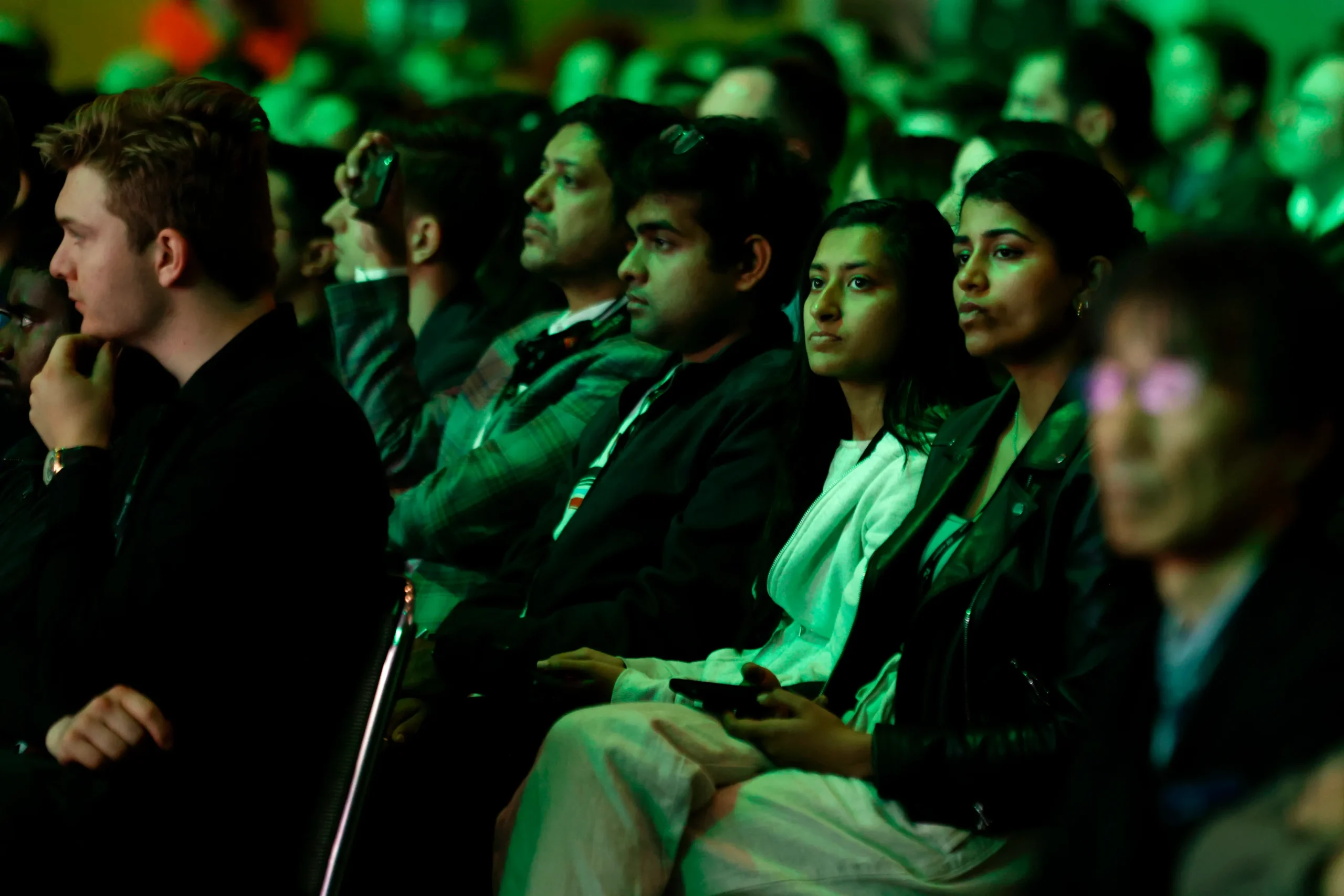
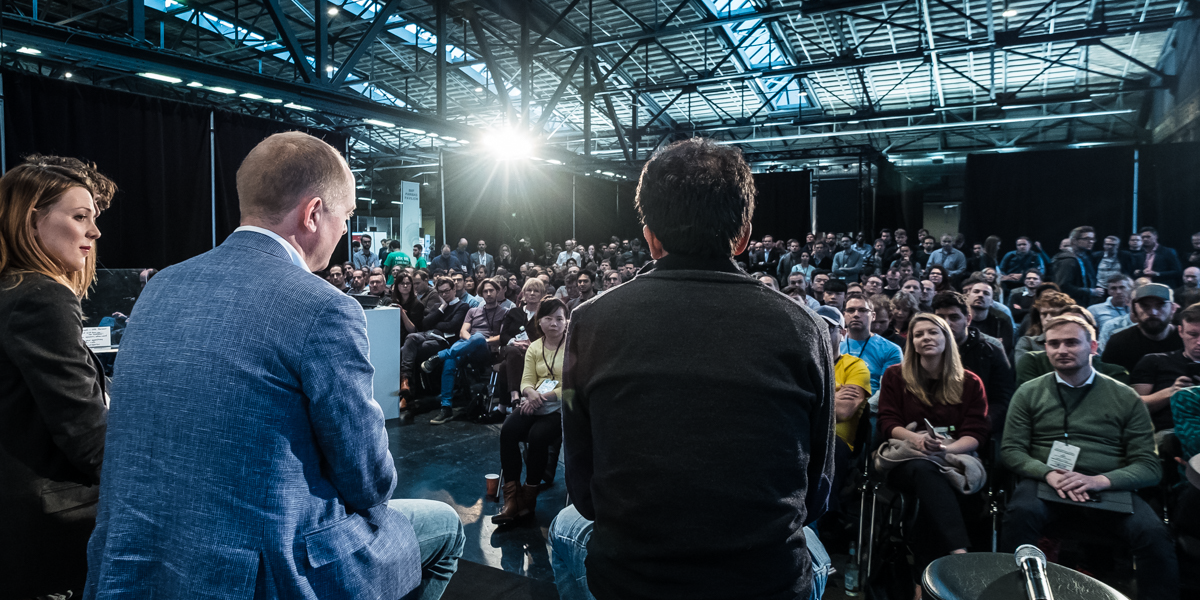
The Startup Battlefield 200 represents a curated selection of early-stage companies that have undergone multiple rounds of rigorous evaluation by TechCrunch’s editorial and investment experts. These 200 startups are granted the opportunity to exhibit on the Disrupt floor, engaging directly with a projected audience of over 10,000 attendees, including venture capitalists, corporate leaders, and international media. However, the ultimate prize remains a spot in the live pitch competition, where a subset of these founders will face a panel of veteran investors to compete for the $100,000 equity-free grand prize and the renowned Disrupt Cup.
The Strategic Framework of the Startup Battlefield 200
The Startup Battlefield has evolved significantly since its inception, transitioning from a pure pitch competition to the more expansive "Battlefield 200" model. This framework is designed to provide a broader range of high-potential startups with the visibility required to secure funding and partnerships. While only a fraction of the 200 will reach the main Disrupt Stage, all participants receive intensive training, masterclasses, and access to a dedicated community of founders.
The 2026 competition comes at a pivotal moment for the global technology ecosystem. As venture capital markets stabilize following several years of volatility, investors are increasingly focused on "frontier technologies"—sectors that combine deep technical innovation with scalable business models. This focus is reflected in the diversity of the 2026 cohort, which includes ventures specializing in artificial intelligence, robotics, biotechnology, and cybersecurity.
Profiles of the 2026 Judging Panel
The effectiveness of the Startup Battlefield relies on the expertise of its judges, who are tasked with dissecting business models and technical claims in real-time. The initial wave of judges announced for the 2026 competition includes partners from some of the most prestigious venture capital firms in Silicon Valley and beyond.

Caleb Appleton: Bridging Science and Scalability
Caleb Appleton, a partner at Bison Ventures, brings a unique perspective rooted in both engineering and operations. With a background in biomedical engineering, Appleton focuses his investment strategy on "physical AI"—the intersection of artificial intelligence and the tangible world. His portfolio includes pioneering companies such as Cobot and Vivodyne, reflecting a commitment to techbio and robotics. Appleton’s experience as an operator at TuneIn and an investor at Innovation Endeavors provides him with the necessary insight to evaluate whether a deep-tech startup can successfully transition from a laboratory setting to a commercial market.
Sara Deshpande: The Consumer Behavior Expert
As a general partner at Maven Ventures, Sara Deshpande has spent over a decade identifying emerging consumer trends. Her investment focus centers on seed-stage startups that leverage consumer software and AI to address evolving digital health needs and lifestyle shifts. An MBA graduate of Stanford University, where she now instructs on entrepreneurship, Deshpande is recognized for her ability to spot transformative ideas before they enter the mainstream. Her role on the panel is critical for evaluating the "product-market fit" of consumer-facing applications within the Battlefield 200.
Aatish Nayak: Scaling AI Native Infrastructure
Aatish Nayak, who joined Kleiner Perkins as a partner in early 2026, represents the vanguard of AI-native investment. Nayak’s career is defined by his roles at high-growth AI companies; he served as the first Product Manager and VP of Product at Harvey and held leadership positions at Scale AI and Shield AI. His expertise in data infrastructure and robotic defense systems allows him to rigorously vet startups building at the core of the current AI revolution. Nayak’s presence on the panel signals a high bar for technical excellence and vertical integration.
Jason Risch: Enterprise and Developer Tooling
Representing Greylock, Jason Risch focuses on the essential "plumbing" of the modern enterprise. His investments in cybersecurity, AI/ML infrastructure, and data platforms—such as Onehouse and Baseten—highlight a focus on the tools that enable other businesses to scale. With a background that includes management consulting at McKinsey and operational roles at Opendoor, Risch evaluates startups based on their ability to solve complex enterprise pain points and provide robust security in an increasingly digitized economy.
Mark Xu: The Frontier of Cybersecurity and Infrastructure
Mark Xu, a partner at Index Ventures, rounds out the announced panel with a focus on cybersecurity and infrastructure across all stages of growth. Having previously supported industry leaders like Wiz and Glean during his tenure at Lightspeed, Xu seeks out founders who combine deep technical proficiency with an "obsession" with customer needs. His evaluation criteria often center on the resilience of a startup’s technology and its potential to become a foundational piece of the global tech infrastructure.
Historical Significance and Economic Impact
The Startup Battlefield has a storied history of launching companies that have gone on to redefine their respective categories. Since the competition’s debut, Battlefield alumni have collectively raised more than $10 billion in funding and have produced over 100 exits. Notable past participants include household names such as Dropbox, Mint, and Fitbit, as well as recent breakout successes in the sustainability and robotics sectors.

For the 2026 finalists, the $100,000 equity-free prize is often less significant than the exposure gained during the event. The live stream of the finals attracts hundreds of thousands of viewers globally, including scouts from major tech corporations and angel investors. The "equity-free" nature of the prize is particularly notable in the current investment climate, as it provides startups with non-dilutive capital that can be used to bridge the gap between seed and Series A rounds.
Analyzing the 2026 Tech Landscape
The composition of the judging panel and the 2026 cohort suggests several key themes that will likely dominate the discussions at Moscone West.
First is the maturation of Artificial Intelligence. Moving beyond simple generative models, the 2026 competition is expected to showcase AI that is deeply integrated into physical systems and specialized enterprise workflows. Second is the resurgence of "Hard Tech." With judges like Caleb Appleton and Aatish Nayak, there is a clear appetite for startups that are tackling physical challenges in robotics and defense. Finally, cybersecurity remains a paramount concern, as evidenced by the inclusion of Jason Risch and Mark Xu, who will be looking for innovations that can protect the rapidly expanding AI infrastructure.
Event Logistics and Participation
TechCrunch Disrupt 2026 is designed to be a comprehensive ecosystem for the technology industry. In addition to the Startup Battlefield, the event will feature six industry-specific stages, host numerous roundtables, and facilitate thousands of "Speed Networking" sessions. The organizers have implemented a tiered registration system to encourage diverse participation, including significant discounts for co-founders and large community groups.
The event will culminate on the third day with the announcement of the Startup Battlefield winner. As the tech community gathers in San Francisco, the focus will be squarely on the 200 companies vying for attention. While the judging panel will ultimately decide who takes home the Disrupt Cup, the broader impact of the event lies in the connections made on the exhibition floor, where the next decade of technological advancement is currently being negotiated.
As the industry looks toward October, the announcement of these judges sets the stage for a high-stakes evaluation of what it means to be a "disruptive" company in 2026. With thousands of hours already spent in the selection process, the final countdown to the Startup Battlefield 200 has officially begun, promising a definitive look at the future of global innovation.