Clara Shinta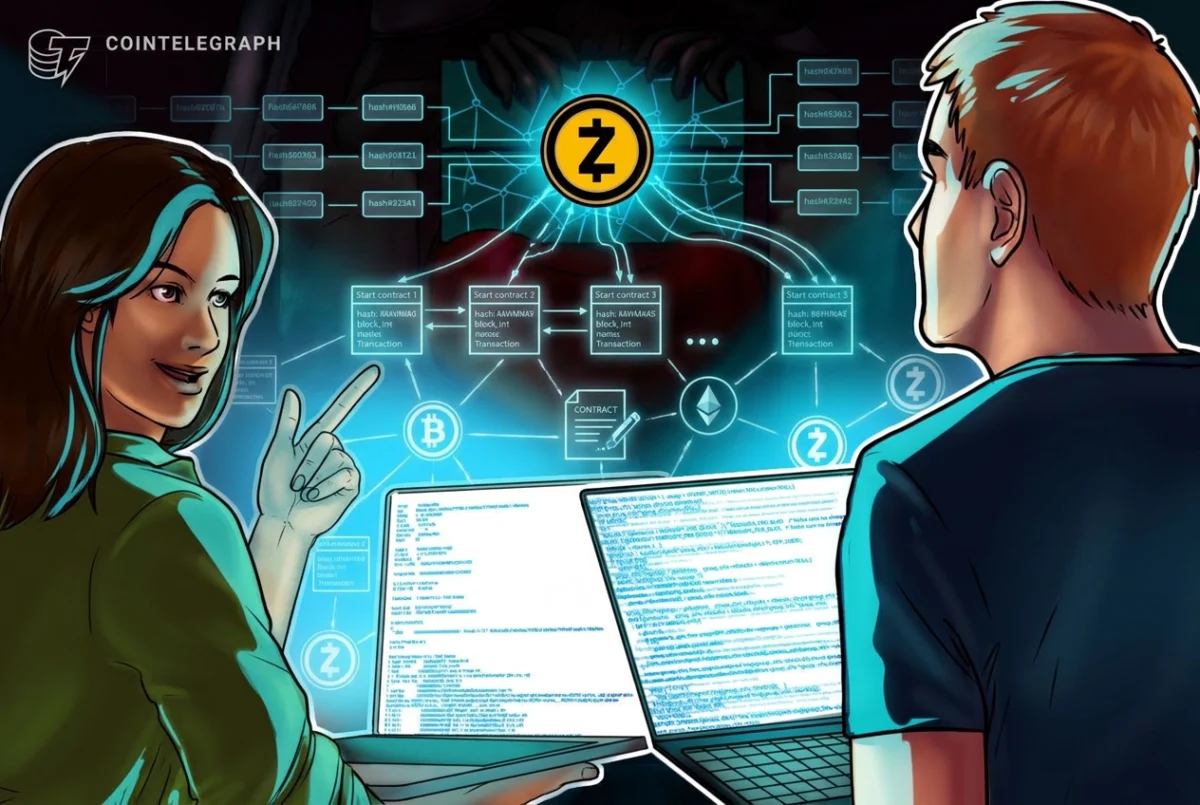
Zcash developers have set a target date of November 5 for the activation of Network Upgrade 7 (NU7) on the mainnet, following a "unanimous agreement" among key organizations and engineering teams regarding its contents and an estimated timeline. This pivotal upgrade is poised to introduce significant enhancements to the Zcash protocol, primarily focusing on network performance, transaction efficiency, and long-term economic sustainability. The meticulous planning underscores a robust development process aimed at ensuring a seamless and impactful transition for the privacy-centric cryptocurrency.
Unanimous Agreement Paves Way for Landmark Upgrade
The decision to proceed with NU7 on November 5 was the culmination of extensive collaboration and consensus-building within the Zcash ecosystem. On Thursday, Zcash developer Sean Bowe publicly confirmed the schedule, highlighting that the upgrade is first slated for activation on the testnet on October 6. This crucial testnet phase will serve as a probationary period, allowing developers to rigorously assess NU7’s performance, stability, and any potential unforeseen issues in a controlled environment. A final, definitive decision on the mainnet upgrade, including its precise activation height (block number), is anticipated on October 20, contingent upon a successful testnet evaluation. This structured approach reflects a commitment to security and stability, paramount in protocol upgrades for decentralized networks.
The "unanimous agreement" cited by developers signifies a strong alignment across various stakeholders, including the Electric Coin Company (ECC), the Zcash Foundation, and independent engineering teams. Such consensus is vital for major protocol changes in open-source projects, ensuring broad support and minimizing fragmentation within the developer and user communities. It suggests that the proposed changes have undergone thorough technical review, risk assessment, and strategic alignment with Zcash’s overarching vision.
Deep Dive into NU7’s Core Innovations
Network Upgrade 7 introduces several foundational changes designed to elevate Zcash’s capabilities. The most prominent of these are the reduction of target block spacing, the integration of the Network Sustainability Mechanism (NSM), and the disabling of version 4 transactions. Each component addresses specific aspects of network performance, economic model, and security.
Accelerated Block Spacing: From 75 to 25 Seconds
Perhaps the most immediately impactful change for users will be the drastic reduction in Zcash’s target block spacing, shrinking from 75 seconds to a mere 25 seconds. This three-fold increase in block production frequency is expected to significantly enhance the network’s transaction throughput and reduce confirmation times. In practical terms, users will experience much faster transaction finality, bringing Zcash closer to the responsiveness of modern digital payment systems. For comparison, Bitcoin averages a 10-minute block time, while Ethereum operates with block times typically between 12-15 seconds. Zcash’s move to 25-second blocks places it in a competitive position, improving the user experience for everyday transactions and enabling more responsive decentralized applications (dApps) should they emerge more prominently on the Zcash network. This change not only improves speed but also enhances the overall responsiveness and perceived efficiency of the Zcash blockchain.
The technical implications of faster block times include an increased demand on network resources for propagation and validation. However, Zcash’s underlying architecture, particularly its advancements in zero-knowledge cryptography and network efficiency, is designed to accommodate such changes. Faster blocks also mean more frequent opportunities for miners to find blocks, potentially leading to a smoother distribution of mining rewards, although the overall block reward emission schedule is managed by the halving mechanism.
The Network Sustainability Mechanism (NSM) and Halving Preservation
A critical component of NU7 is the integration of the Network Sustainability Mechanism (NSM). This mechanism is designed to ensure the long-term viability and funding of the Zcash protocol’s development and maintenance. The chosen NSM configuration has a specific and important characteristic: it preserves Zcash’s existing halving schedule. Halving events, which periodically reduce the block reward issued to miners, are a fundamental part of many cryptocurrency economic models, designed to control inflation and mimic the scarcity of precious metals. By preserving this schedule, Zcash maintains a predictable and deflationary supply trajectory, which is often seen as a key factor in long-term value appreciation.
Crucially, the NSM also includes a provision for the reintroduction of previously removed ZEC supply, scheduled to begin in February 2031. This aspect of the NSM is a sophisticated approach to managing the Zcash supply cap and ensuring that sufficient funds are available to support ongoing development, security audits, and ecosystem growth. The exact details of this reintroduction mechanism are complex, but the overarching goal is to balance scarcity with the practical need for a sustainable funding model for a public good. It represents a forward-thinking strategy to address the challenges of long-term protocol maintenance without solely relying on inflationary measures or external funding sources that could compromise decentralization. This mechanism highlights Zcash’s commitment to self-sustainability and continued innovation beyond the initial founder’s reward periods.
Disabling Version 4 Transactions: Enhancing Security and Efficiency
NU7 will also disable version 4 transactions. While this might seem like a minor technical detail, it is a standard practice in blockchain development to deprecate older transaction formats as newer, more efficient, and more secure versions become available. Disabling older versions helps streamline the protocol, reduce potential attack vectors, and ensure that all network participants are using the most robust and up-to-date transaction types. For Zcash, a project built on advanced cryptography, maintaining a lean and secure codebase is paramount. This move aligns with a broader strategy of continuous improvement in cryptographic security and network efficiency, reinforcing Zcash’s position as a leading privacy-preserving cryptocurrency.
A History of Iteration: Zcash’s Commitment to Evolution
The upcoming NU7 is not an isolated event but rather the latest in a series of deliberate and significant upgrades that have defined Zcash’s evolutionary path since its inception in October 2016. Zcash has consistently demonstrated a commitment to continuous improvement, often pioneering advancements in zero-knowledge cryptography and blockchain technology.
- Sapling (October 2018): This was a landmark upgrade that drastically improved the efficiency of shielded transactions, making them practical for everyday use. It introduced significant performance improvements and reduced the memory requirements for shielded operations, paving the way for broader adoption of privacy features.
- Blossom (December 2019): Blossom focused on improving network performance by halving the target block time from 150 seconds to 75 seconds. This upgrade laid the groundwork for the further block time reduction seen in NU7, demonstrating a long-standing goal of enhancing transaction speed.
- Canopy (November 2020): Canopy marked a significant shift in Zcash’s funding mechanism, removing the Founder’s Reward and establishing the Decentralized Future Fund (DFF). This ensured a sustainable funding stream for ongoing development by allocating a portion of block rewards to the ECC, Zcash Foundation, and independent grants, thus fostering decentralization and community-driven progress.
- Heartwood (July 2020): Focused on enabling miner payouts directly to shielded addresses, further enhancing the privacy of the mining ecosystem.
- Halo Arc (July 2021): While not a network upgrade in the traditional sense, the release of Halo Arc brought a suite of significant advancements, including the Halo 2 proving system. Halo 2 eliminated the need for trusted setup ceremonies, a critical step towards enhancing the security and trustlessness of Zcash’s privacy features. It also laid the cryptographic foundation for future scalability improvements.
- Network Upgrade 5 (NU5) (May 2022): NU5 integrated the Orchard shielded payment protocol, leveraging the Halo 2 proving system. Orchard introduced dramatically more efficient and secure shielded transactions, offering a superior privacy experience and setting a new standard for cryptographic privacy in blockchain.
- Network Upgrade 6 (NU6) (May 2023): This upgrade brought further enhancements to the protocol, building upon NU5’s foundations and refining various aspects of network operation and security.
Each of these upgrades represents a strategic step in Zcash’s journey to become a robust, scalable, and truly private digital currency. NU7 continues this tradition, focusing on performance and long-term sustainability, critical elements for Zcash’s relevance in an evolving cryptocurrency landscape.
Community Endorsement: A Mandate for Progress
The broad consensus achieved among developers is strongly echoed by the Zcash community, as evidenced by recent polls. On Wednesday, ZEC holders overwhelmingly expressed their support for the proposed changes. A remarkable 98.9% of participants backed the proposal to preserve the halving schedule, demonstrating a clear preference for maintaining the token’s established economic model and scarcity principles. Even more striking, 99.9% of the Zcash (ZEC)-weighted vote supported the faster-block proposal, indicating a nearly universal desire for improved network performance and user experience.
This overwhelming community endorsement is a testament to Zcash’s decentralized governance model and the effectiveness of its community engagement efforts. Unlike some centralized projects, major protocol changes in Zcash typically undergo extensive discussion on forums, GitHub, and community calls, culminating in formal voting or consensus mechanisms. The strong support for NU7 indicates that the development teams have successfully communicated the benefits and implications of the upgrade, aligning technical advancements with the community’s vision for Zcash’s future. Such high levels of agreement are rare in decentralized ecosystems and highlight the cohesion and shared objectives within the Zcash community.
Economic and Technical Implications
The combined changes introduced by NU7 carry significant economic and technical implications for the Zcash network and its various stakeholders.
Enhanced Transaction Throughput and User Experience
The reduction in block spacing to 25 seconds will directly translate into higher transaction throughput. While Zcash has not historically been a network primarily focused on raw transaction volume like some payment-centric blockchains, improved speed makes it more viable for applications requiring quicker confirmations. This could include point-of-sale transactions, micro-payments, or more interactive dApps that benefit from rapid state changes on the blockchain. The enhanced user experience derived from faster transaction finality is crucial for broader adoption, as it aligns Zcash more closely with conventional digital payment expectations.
Impact on Full Nodes, Indexers, and Block Explorers
While Sean Bowe noted that NU7 would not introduce new transaction formats and should not significantly affect wallets, certain network participants will require adjustments. Specifically, full nodes, indexers, and block explorers will likely necessitate software updates. Full nodes, which download and validate every transaction and block, will need to update their client software to correctly process the new 25-second block interval and the NSM logic. Indexers, which build searchable databases of blockchain data for applications, will need to adapt to the faster block production rate and potentially re-index certain historical data to ensure accuracy. Block explorers, which provide public interfaces for viewing blockchain activity, will also require updates to display block times and transaction details correctly under the new protocol rules. These adjustments are standard for major protocol upgrades and are typically managed by releasing updated software versions well in advance of the activation date, allowing operators ample time to prepare.
Long-Term Tokenomics and Supply Management
The preservation of the halving schedule combined with the NSM’s supply reintroduction mechanism in 2031 presents a unique approach to Zcash’s long-term tokenomics. By maintaining the halving schedule, Zcash reinforces its commitment to scarcity, which can be a strong driver of value in the long term. The reintroduction of previously removed supply starting in 2031 is a nuanced strategy. It suggests a proactive measure to ensure the Zcash ecosystem has a sustainable funding source for critical development and security without resorting to continuous inflation or external dependencies that could compromise decentralization. This mechanism aims to strike a delicate balance between controlling supply and ensuring the project’s ability to evolve and thrive for decades to come, distinguishing Zcash from many other cryptocurrencies that rely on simpler, fixed emission schedules.
Market Dynamics: ZEC’s Surge Amidst Privacy Coin Resurgence
The timing of the NU7 timeline announcement coincides with a notable surge in ZEC’s market performance and a broader resurgence in the privacy coin sector. On Thursday, ZEC’s price rose approximately 20% over a 24-hour period, signaling strong investor interest and positive market sentiment. This impressive performance was not isolated, as privacy coins collectively demonstrated substantial outperformance compared to the wider cryptocurrency market.
According to Glassnode data, the privacy coin sector as a whole was 213% above its level at Bitcoin’s October 2025 peak (a typo in the original article, likely meant 2021 peak, or a future projection). While this specific data point might require careful interpretation (given Bitcoin’s peak was in November 2021, and October 2025 is in the future), the underlying message is clear: privacy-focused cryptocurrencies have seen significant appreciation. Furthermore, Glassnode data showed that a basket of privacy coins, excluding ZEC, was up about 85% over the past year, indicating a sector-wide bullish trend.
This renewed interest in privacy coins can be attributed to several factors. In an increasingly surveilled digital world, the demand for financial anonymity and censorship resistance continues to grow. Users and institutions alike are becoming more aware of the implications of transparent blockchain ledgers and are seeking alternatives that offer greater confidentiality. Regulatory scrutiny and geopolitical tensions can also drive demand for assets that provide a higher degree of privacy, as individuals and entities look for ways to protect their financial sovereignty. Zcash, with its industry-leading zero-knowledge proofs (zk-SNARKs and zk-STARKs), stands at the forefront of this movement, offering robust privacy features that are increasingly valued in the current market environment. The strong performance of ZEC leading up to NU7 suggests that the market is recognizing the potential of these upgrades to further strengthen Zcash’s position as a premier privacy asset.
Broader Ecosystem Developments
The positive momentum around NU7 is further bolstered by other significant developments within the Zcash ecosystem. One notable example is the recent news that Fortitude, a Zcash mining operation, has tapped Jaime Leverton, former CEO of Hut 8, to lead the company ahead of its anticipated public listing on Nasdaq. This development signifies increasing institutional interest and investment in the Zcash mining infrastructure. The involvement of experienced industry leaders and the pursuit of public market listings indicate a maturation of the Zcash ecosystem and a growing confidence from traditional financial markets in the long-term prospects of privacy-focused digital assets. Such moves enhance the legitimacy and accessibility of Zcash for a broader range of investors and participants, contributing to the overall health and decentralization of the network.
Zcash’s overarching vision remains consistent: to provide scalable, private digital cash that empowers individuals with financial freedom and privacy in a digital world. NU7 represents a critical step towards realizing this vision by enhancing core network performance, ensuring long-term sustainability, and maintaining a robust economic model.
Looking Ahead: The Path to Mainnet Activation and Beyond
The immediate focus for the Zcash development community will be on the successful activation and rigorous monitoring of NU7 on the testnet, scheduled for October 6. This phase is critical for identifying and resolving any potential bugs or performance anomalies before the mainnet deployment. Developers will be closely watching metrics such as block propagation times, transaction processing, and overall network stability.
Following a successful testnet period, the final decision on mainnet activation and its specific block height on October 20 will be a formality, provided no major issues arise. The subsequent mainnet activation on November 5 will mark a new chapter for Zcash, ushering in an era of faster transactions and a more robust, sustainably funded protocol. Post-activation, continuous monitoring and community feedback will be essential to ensure the long-term success and stability of NU7.
Conclusion: A New Era for Zcash
Network Upgrade 7 represents a monumental leap forward for Zcash, addressing key areas of performance, sustainability, and economic modeling. The unanimous agreement among developers, coupled with overwhelming community support, underscores a unified vision for the protocol’s future. By significantly reducing block times, implementing a sophisticated Network Sustainability Mechanism, and streamlining transaction formats, Zcash is poised to offer a more responsive, efficient, and robust privacy-preserving digital currency.
The confluence of these technical advancements with a surging market interest in privacy coins and growing institutional engagement paints a promising picture for Zcash’s trajectory. As the cryptocurrency landscape continues to evolve, Zcash’s unwavering commitment to privacy, combined with its proactive approach to performance and sustainability, positions it as a critical player in the ongoing quest for decentralized, private financial systems. NU7 is not just an upgrade; it is a declaration of Zcash’s enduring commitment to its mission and its readiness to meet the demands of a rapidly changing digital world.