Clara Shinta
A recent Chainalysis report reveals a staggering 420% increase in on-chain malware this year, with state-linked hackers, predominantly from North Korea and Iran, being responsible for the vast majority of this surge. This alarming development underscores an evolving threat landscape where malicious actors are leveraging public blockchain infrastructure to enhance the resilience and evasiveness of their cyber campaigns. Concurrently, across Asia, nations are grappling with the multifaceted challenges and opportunities presented by digital assets, from pioneering tokenized bond markets to tightening regulatory frameworks and vying for regional crypto hub status.
The Rising Tide of State-Sponsored On-Chain Malware
Cybersecurity firm Chainalysis detailed that state-linked entities accounted for approximately two-thirds of the new activity observed in storing malware instructions or infrastructure information directly on public blockchains. This strategic shift from traditional web servers and domains to decentralized ledgers significantly boosts the durability of malware campaigns. Unlike conventional infrastructure, which can be taken down by authorities, information stored on a blockchain is immutable and globally accessible, making it far more difficult to eradicate. Chainalysis specifically identified UNC5342, a group with strong ties to North Korea, as responsible for previously unattributed malicious activities spanning prominent blockchain networks such as Tron, Aptos, and BNB Smart Chain.
This tactic is not entirely new; in 2025, North Korean hackers employed a similar technique known as EtherHiding, embedding crypto-stealing code within smart contracts. The latest evolution indicates a broader adoption and refinement of this strategy. The primary motivation for North Korea’s relentless cyber activities remains clear: to illicitly acquire funds for its sanctioned weapons programs, circumventing international financial restrictions. Over the past decade, North Korea’s Lazarus Group and other affiliated hacking entities have been implicated in numerous high-profile crypto heists, collectively siphoning billions of dollars from exchanges, DeFi protocols, and individual wallets. Industry experts suggest that the total value stolen by North Korean state-sponsored hackers since 2017 could exceed $3 billion, with a significant portion remaining untraced. The use of public blockchains for malware deployment adds another layer of complexity for law enforcement and cybersecurity professionals tasked with disrupting these operations.
North Korea’s Evolving Recruitment Strategies
Further exacerbating the threat, a report by NBC revealed that North Korea is increasingly utilizing remote workers from third countries, including Iran and Lebanon, to infiltrate U.S. companies. These foreign talents are used to pass initial job interviews, after which North Korean operatives assume the positions. This sophisticated method allows the reclusive state to bypass traditional hiring checks and sanctions, gain access to sensitive information, and further its financial and strategic objectives. This highlights a critical vulnerability in remote work environments and an urgent need for enhanced cybersecurity protocols and vetting processes in industries targeted by state-sponsored actors. Cybersecurity analysts emphasize that this tactic is a direct response to tightened international sanctions and demonstrates North Korea’s adaptability and determination in pursuing its illicit funding goals.

South Korea’s Stance on Crypto and Gambling
In South Korea, regulatory authorities are taking a firm stance on certain crypto activities. Users of Polymarket, a popular decentralized prediction market, have been referred to prosecutors, with authorities asserting that transactions on the platform constitute illegal gambling under the nation’s Criminal Act. This ruling is based on the premise that users stake assets on outcomes that cannot be predicted with certainty, thus falling under the definition of gambling. This move reflects South Korea’s historically stringent approach to gambling and its cautious posture toward the broader crypto market, particularly decentralized applications that blur the lines between investment, speculation, and chance. The decision sends a clear message to both domestic and international platforms operating within the South Korean market, potentially chilling the growth of prediction markets and similar DeFi protocols in the region. Legal experts in Seoul anticipate that this precedent could lead to increased scrutiny of other crypto-based activities perceived as having gambling elements, prompting platforms to reassess their offerings for South Korean users.
India’s Dual Approach: Innovation and Enforcement
India is demonstrating a nuanced, dual approach to digital assets, balancing innovative pilots with robust enforcement. The Securities and Exchange Board of India (SEBI) and the Reserve Bank of India (RBI) have successfully launched a tokenized corporate bond pilot project, marking a significant step towards integrating blockchain technology into mainstream finance. Three companies participated in the pilot, issuing a combined 10.25 billion rupees (approximately $107 million) through the new market infrastructure. This Demat 2.0 system allows corporate bonds to be issued and held as digital tokens on a distributed ledger owned by the country’s statutory depositories. Crucially, this system connects to the RBI’s wholesale central bank digital currency (CBDC) through its Unified Market Interface, facilitating seamless settlement and fostering greater efficiency and transparency in capital markets. This initiative underscores India’s ambition to leverage blockchain for regulated financial innovation while maintaining central control.
Simultaneously, India’s regulatory bodies are intensifying their oversight of the broader crypto space. The Parliamentary Standing Committee on Finance has concluded its year-long hearings on cryptocurrency policy, with the government expected to respond next week before the committee prepares and submits its comprehensive report. This extensive review process indicates a concerted effort to develop a clear and comprehensive regulatory framework for digital assets in India, moving beyond the previously ambiguous and often restrictive environment. Furthermore, the Enforcement Directorate (ED), India’s financial crime agency, is significantly bolstering its capabilities to track and investigate crimes involving cryptocurrencies. The ED aims to finalize economic crime investigations within 18 months, reflecting a commitment to swift and effective action against illicit crypto activities. This reinforced enforcement arm, coupled with the regulatory review, signals India’s determination to mitigate risks such as money laundering, terrorist financing, and fraud within the burgeoning digital asset ecosystem. The country appears to be striving for a framework that supports responsible innovation while curbing illicit use, potentially positioning it as a significant player in the global digital economy.
Hong Kong’s Strategic Window Amidst Global Shifts
Hong Kong continues its ambitious drive to establish itself as a leading global crypto hub, seizing strategic opportunities presented by shifts in the international regulatory landscape. Following last week’s controversy over a plan to grant executives as much as 20% of its fully diluted shares, Metaplanet, a firm making significant strides in Bitcoin adoption, has now dramatically slashed its Series 10 stock pool. The company announced a reduction in the number of potential shares underlying the rights from 319.464 million to 188.19 million, simultaneously resetting the conversion ratio to its level before its September 2025 international share offering. This adjustment effectively extinguishes over $220 million in warrant value and is projected to increase the company’s Bitcoin per fully diluted share by approximately 8.8%. This move appears to be a direct response to shareholder backlash and reflects a commitment to stronger corporate governance as Hong Kong seeks to attract reputable crypto businesses.

Industry insiders in Hong Kong are urging policymakers to capitalize on the failure of the CLARITY Act vote in the U.S., which has created a “critical strategic window.” Allen Ding, director of Bitfire Research, highlighted this opportunity for Hong Kong to solidify its position while U.S. regulatory uncertainty persists. Shawn Yan, founder of Cregis Technology, advised the city to focus on "building infrastructure that can operate across regulatory boundaries, rather than waiting for any single jurisdiction to define the market for everyone.” This perspective underscores Hong Kong’s proactive stance and its intent to foster an environment conducive to crypto innovation and global integration.
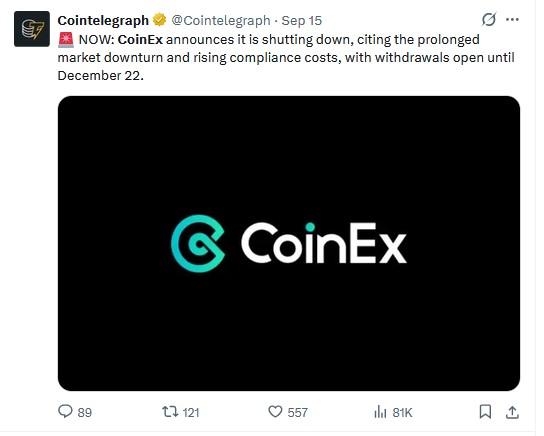
However, the path is not without its challenges. The Hong Kong-founded exchange CoinEx announced its decision to cease operations after nine years, citing falling trading volumes and liquidity during the bear market, coupled with rising regulatory and compliance costs. While withdrawals remain open until December 22, the closure of CoinEx serves as a stark reminder of the intense market pressures and increasing operational complexities faced by crypto exchanges, even in jurisdictions striving for a supportive regulatory environment. This event highlights the competitive nature of the global crypto exchange market and the need for robust business models to navigate volatile market cycles and evolving compliance demands.
Vietnam’s Emerging Role in Crypto
Vietnam is increasingly positioning itself as a significant player in the digital asset space, fostering both development and regulatory oversight. Bitcoin Suisse, a prominent Swiss crypto financial services company, announced plans to shift up to half of its Swiss jobs abroad, with Bratislava and Vietnam earmarked as key locations. The company, founded in Zug in 2013, provides a comprehensive suite of crypto trading, custody, staking, and lending services. It plans to establish a new center in Vietnam to handle many back-office and administrative roles, leveraging the country’s skilled workforce and competitive operational costs. This move signifies Vietnam’s growing attractiveness as an operational hub for global crypto enterprises.
In parallel, Vietnamese regulators are actively developing a supervisory mechanism for crypto asset service providers and investor transactions. This initiative draws heavily upon recommendations from the Financial Action Task Force (FATF), indicating a commitment to align with international anti-money laundering (AML) and counter-terrorist financing (CTF) standards. This proactive regulatory development aims to create a more secure and transparent environment for crypto participants, fostering confidence and mitigating risks.
Further solidifying its commitment to digital finance, Binance, the world’s largest cryptocurrency exchange, has signed an agreement to help develop the Vietnam International Finance Center in Ho Chi Minh City. This collaboration underscores Vietnam’s ambition to become a regional financial powerhouse and reflects Binance’s strategy to expand its footprint in emerging markets. Such partnerships are crucial for knowledge transfer, infrastructure development, and establishing Vietnam as a key innovation hub in Southeast Asia.
Singapore: A Hub of Innovation, Legal Clarity, and Enforcement
Singapore continues to solidify its reputation as a leading global financial and crypto hub, marked by significant regulatory milestones and robust enforcement actions. The Singapore Exchange (SGX) has become the first major Asian TradFi exchange to secure approval from the Commodities Futures Trading Commission (CFTC) to offer Bitcoin and Ethereum perpetual futures to U.S. institutions. This landmark approval is a testament to Singapore’s mature regulatory framework and its role in facilitating institutional adoption of digital assets, bridging traditional finance with the crypto economy. It provides a regulated pathway for U.S. institutional investors to gain exposure to leading cryptocurrencies through a trusted Asian exchange.
The Singapore High Court has also provided crucial guidance for valuing crypto assets in legal claims, setting a precedent that departs from typical breach-date damage assessment principles. According to law firm Reed Smith, a recent decision indicated that “the court is unlikely to allow claimants to delay mitigation for years and then seek damages at a higher present-day market price.” This ruling provides much-needed legal clarity for disputes involving digital assets, emphasizing the responsibility of claimants to mitigate losses promptly and reflecting the volatile nature of crypto markets. It contributes to Singapore’s comprehensive legal infrastructure supporting the digital asset ecosystem.
On the enforcement front, Singapore recently concluded a high-profile case involving a 2024 armed robbery. Six Malaysian men were sentenced to hefty sentences, including up to 12 years and 11 months in jail, plus 24 strokes of the cane, for a heist involving crypto, cash, and luxury items. This stern judgment underscores Singapore’s unwavering commitment to maintaining law and order, even in cases involving digital assets, and serves as a deterrent against illicit activities in the crypto space.
Thailand and Malaysia: Diverse Approaches to Digital Assets
In Southeast Asia, other nations are also shaping their crypto policies. Thailand’s Securities and Exchange Commission (SEC) has proposed new stablecoin regulations that would prohibit users from transferring more than 5 million baht (approximately $151,000) per day. This proposed cap reflects the Thai SEC’s concerns about financial stability, potential for illicit flows, and a desire to maintain oversight over large-scale transactions involving stablecoins. While aimed at risk mitigation, this limit could impact institutional users and high-volume traders, potentially prompting adjustments to their operational strategies within Thailand.
Conversely, Malaysia is emerging as one of the more crypto-friendly Islamic nations. According to Fitch Ratings, Malaysia stands out among Muslim-majority countries for its progressive stance on digital assets. The local Securities Commission has formally declared Bitcoin, Ethereum, Ripple, and Stellar as sharia-compliant, a significant step that could attract Islamic finance investors into the cryptocurrency market. This move aligns with Malaysia’s broader efforts to integrate digital finance within Islamic economic principles, offering a unique value proposition for global investors seeking sharia-compliant digital asset opportunities.
The diverse regulatory and market developments across Asia underscore a rapidly evolving landscape. While state-sponsored cyber threats present a significant and persistent challenge requiring global cooperation, many Asian nations are actively working to harness the transformative potential of blockchain and cryptocurrencies, striving to balance innovation with robust regulatory oversight and enforcement.