Lina Wu
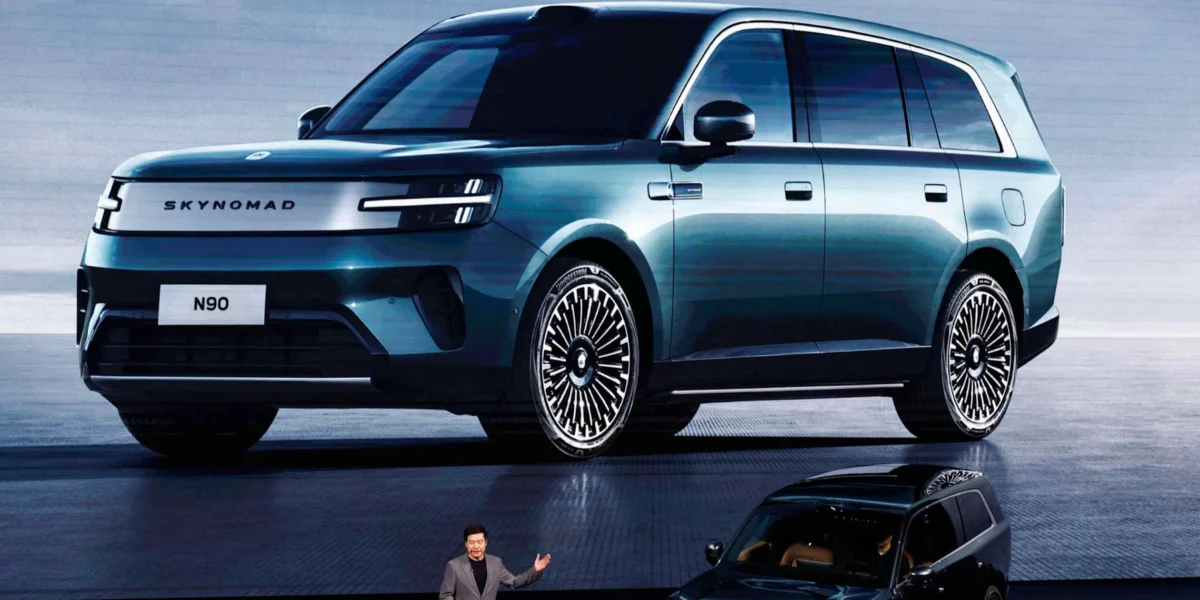
GUANGZHOU — Chinese smartphone giant Xiaomi is experiencing remarkable success in the burgeoning electric vehicle market, with its new SkyNomad SUVs rapidly gaining traction among families. The vehicles are drawing consumers with their emphasis on spacious and adaptable interiors, coupled with a compelling performance and a price point that undercuts many established competitors. This strategic entry into the automotive sector, a move anticipated for years, appears to be paying dividends, signaling a significant disruption in the competitive Chinese EV landscape.
The SkyNomad N90 Max EREV, a key model in Xiaomi’s automotive lineup, has emerged as a particular favorite. Launched in July at a high-profile event in Beijing, the SUV has been lauded for its practical design, catering specifically to the needs of modern Chinese families. The vehicle’s innovative seating configurations are a standout feature, offering flexibility that can accommodate various passenger and cargo requirements. This focus on user-centric design, a hallmark of Xiaomi’s consumer electronics business, has translated effectively into the automotive realm.

A Strategic Entry into a Competitive Market
Xiaomi’s foray into the electric vehicle sector is not a sudden impulse but a meticulously planned expansion. The company, already a dominant force in the global smartphone market and a significant player in smart home devices, has been investing heavily in its automotive division for several years. The official unveiling of the SkyNomad line marked the culmination of this extensive development phase, showcasing the company’s ambition to become a comprehensive smart ecosystem provider, extending its reach from the pocket to the road.
The timeline leading up to the SkyNomad’s market debut was characterized by intense research and development, strategic partnerships, and significant capital investment. While specific financial figures for the automotive division remain closely guarded, industry analysts estimate the investment to be in the billions of dollars. This commitment underscores Xiaomi’s long-term vision and its belief in the transformative potential of electric mobility.
SkyNomad: Designed for the Modern Family
The success of the SkyNomad SUVs can be attributed to a deep understanding of the Chinese consumer. Families in China, particularly in urban and suburban areas, often require vehicles that can comfortably transport multiple passengers, including children and elderly relatives, while also providing ample space for shopping, luggage, and recreational equipment. Xiaomi has responded to this demand with a vehicle that prioritizes practicality without compromising on modern aesthetics and technological integration.

The "Max" designation in models like the N90 Max EREV often signifies enhanced features, and in the case of the SkyNomad, this translates to a more opulent and versatile interior. Reports from early adopters highlight the modularity of the seating, allowing for configurations that can transform the cabin from a passenger carrier to a cargo hauler, or even a comfortable resting space on longer journeys. This adaptability is a significant differentiator in a market where many EVs are still designed with a more singular focus.
Beyond the interior, the SkyNomad SUVs are engineered to deliver competitive performance. While specific battery ranges and acceleration figures vary by model, they are generally positioned to meet the daily commuting and occasional long-distance travel needs of their target demographic. The integration of Xiaomi’s proprietary software and smart assistant technology further enhances the driving experience, offering seamless connectivity and intuitive control over vehicle functions and infotainment.
Market Reception and Sales Performance
The initial sales figures for the SkyNomad SUVs have been robust, exceeding many market expectations. While exact sales numbers are typically released by companies on a quarterly basis, anecdotal evidence from dealerships and industry observers suggests strong demand since the launch. This positive reception indicates that Xiaomi has successfully captured the attention of a significant segment of the car-buying public.

Several factors contribute to this strong market penetration. Firstly, Xiaomi’s brand recognition is exceptionally high in China. Consumers trust the company for its quality electronics and value-driven pricing. This existing brand loyalty has provided a significant head start in the automotive sector. Secondly, the pricing strategy for the SkyNomad has been notably aggressive. By leveraging its manufacturing efficiencies and supply chain expertise, Xiaomi has been able to offer its EVs at price points that are highly competitive, often undercutting similarly equipped vehicles from legacy automakers and even some established EV startups.
For instance, while specific comparisons are subject to ongoing market fluctuations, the SkyNomad N90 Max EREV, with its EREV (Extended Range Electric Vehicle) configuration, offers a compelling proposition. EREV technology combines an electric powertrain with a small gasoline generator that recharges the battery, effectively mitigating range anxiety, a common concern for many potential EV buyers. This dual-powertrain approach provides the benefits of electric driving for daily commutes while offering the flexibility of extended range for longer trips, a feature particularly appealing to families.
Broader Implications for the Chinese EV Market
Xiaomi’s successful entry into the automotive market has significant implications for the broader Chinese EV industry. The company’s approach, characterized by aggressive pricing, user-centric design, and the integration of its established smart ecosystem, sets a new benchmark for competitors. It demonstrates that a tech company, with its agile development processes and deep understanding of consumer behavior, can rapidly become a formidable force in a traditionally capital-intensive industry.

The competitive pressure exerted by Xiaomi is likely to drive further innovation and cost optimization across the sector. Established automakers and EV startups will need to re-evaluate their product development strategies, pricing models, and marketing approaches to remain competitive. This intensified competition ultimately benefits consumers through a wider array of choices, improved vehicle technologies, and potentially lower prices.
Furthermore, Xiaomi’s success underscores the evolving definition of an automobile. For many consumers, the car is no longer just a mode of transportation but an extension of their digital lives. The seamless integration of smart technology, connectivity, and personalized user experiences is becoming as important as the vehicle’s performance and range. Xiaomi’s expertise in these areas positions it well to capitalize on this trend.
The Rise of Tech Giants in Automotive Manufacturing
Xiaomi is not an isolated case. Other major technology companies, both within China and internationally, are increasingly venturing into the automotive space, either through direct manufacturing, strategic investments, or collaborations. Companies like Huawei in China have also made significant inroads, focusing on providing advanced intelligent driving systems and software solutions for existing automakers. This trend signifies a blurring of lines between traditional industries and the technology sector, ushering in an era of "smart mobility."

The impact of these tech giants extends beyond product innovation. Their involvement is also influencing the manufacturing and supply chain dynamics within the automotive industry. Their experience in high-volume production of complex electronic devices allows them to bring new efficiencies and perspectives to vehicle manufacturing.
Future Outlook and Potential Challenges
The initial success of the SkyNomad SUVs bodes well for Xiaomi’s automotive ambitions. However, the path ahead is not without its challenges. The automotive industry is characterized by high capital expenditure, stringent safety regulations, and the need for extensive after-sales service networks. Xiaomi will need to continue investing heavily in these areas to sustain its growth and build long-term customer loyalty.
Building a comprehensive charging infrastructure and ensuring a robust after-sales service network are critical for any EV manufacturer’s long-term success. While Xiaomi has the advantage of its existing retail presence for its electronics, the scale and complexity of automotive after-sales support are significantly greater. Establishing and maintaining a reliable network of service centers, parts availability, and roadside assistance will be crucial.

Another key challenge will be navigating the evolving regulatory landscape. Governments worldwide are implementing increasingly strict emissions standards and safety regulations for vehicles. Xiaomi will need to ensure its vehicles remain compliant and adapt to any future changes in these regulations.
Despite these challenges, the early performance of the SkyNomad SUVs suggests that Xiaomi has laid a strong foundation for its automotive division. By focusing on the needs of families, offering competitive pricing, and leveraging its technological prowess, the company has carved out a significant niche in the rapidly expanding Chinese EV market. The continued success of SkyNomad will undoubtedly be closely watched as a bellwether for the future of automotive manufacturing and the growing influence of technology companies in shaping our transportation future. The November 25, 2026 launch event in Beijing, where Xiaomi CEO Lei Jun was pictured next to a SkyNomad N90 Max EREV, served as a powerful symbol of this new era. The company’s ability to translate its consumer electronics success into the automotive realm is a testament to its strategic vision and execution capabilities.