Lina Wu
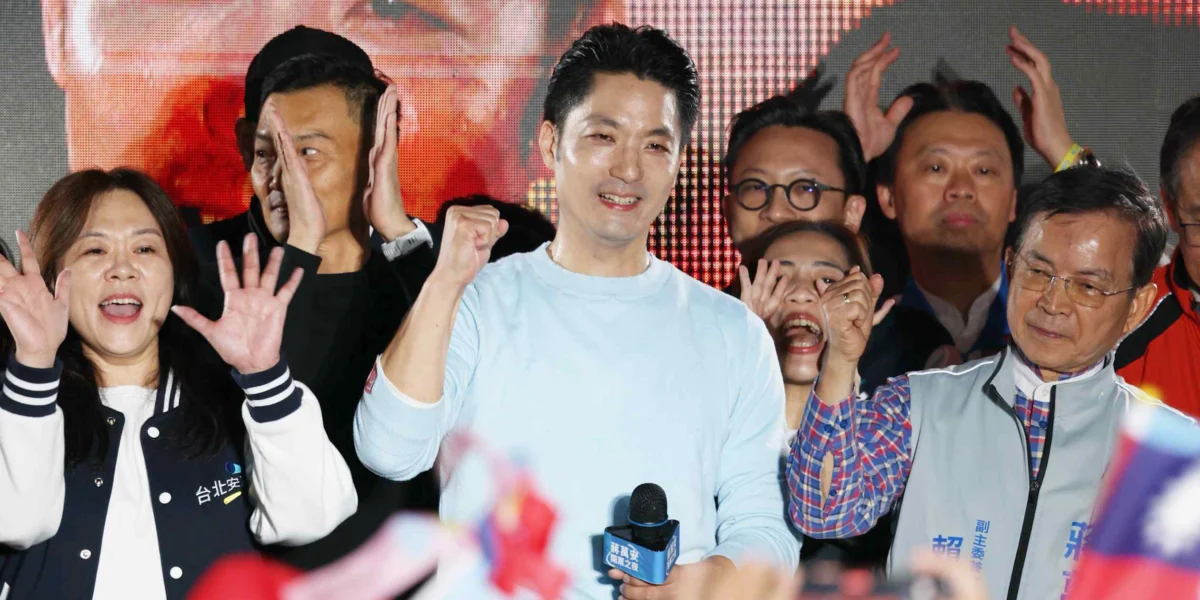
Millions of voters across Taiwan streamed to the polls on Saturday, November 27, 2026, to elect thousands of local officials, with the nation’s political future appearing to hinge on a pair of intensely watched mayoral contests in the greater Taipei metropolitan area. The election, which has garnered significant national and international attention, serves as a critical mid-term assessment of the ruling Democratic Progressive Party (DPP) and the opposition Kuomintang (KMT), with the outcome of the Taipei mayoral race in particular poised to shape the political landscape for years to come.
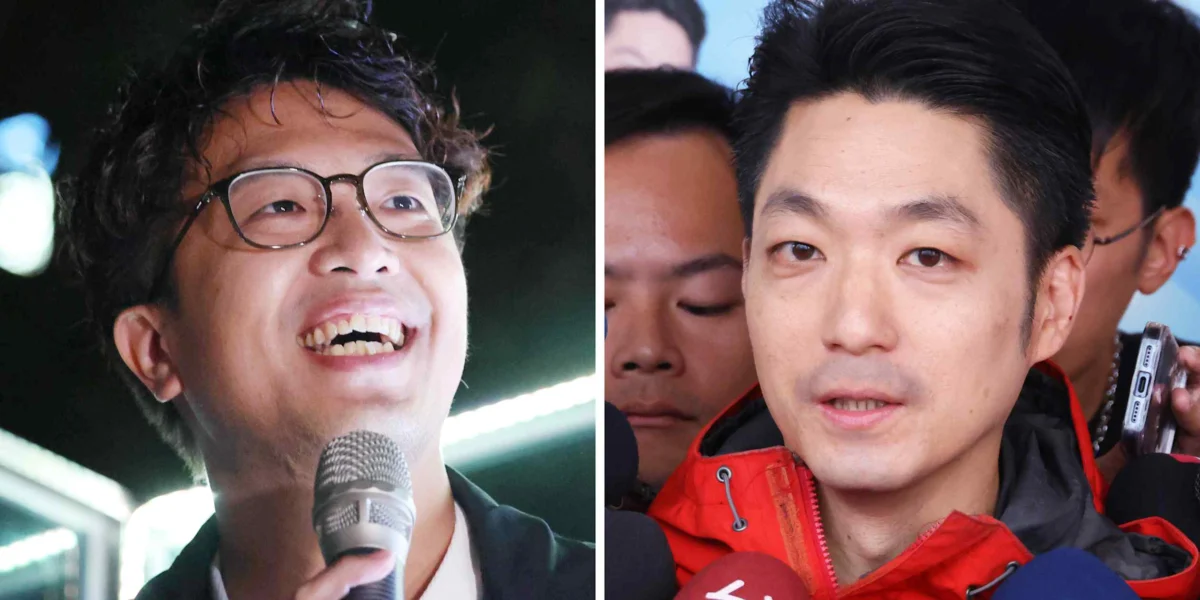
The incumbent Mayor of Taipei, Chiang Wan-an of the KMT, faces a formidable challenge from the DPP’s candidate, Puma Shen. Shen, a rising star within the DPP, has mounted a spirited campaign, capitalizing on voter dissatisfaction with certain aspects of the current administration and presenting a vision for a more progressive and inclusive Taipei. The image accompanying this report captures Shen, on the left, engaging with constituents, a visual testament to the vigorous campaigning that has defined this race, with Chiang Wan-an, the incumbent KMT mayor, on the right. The election marks a significant juncture for both parties, with the KMT seeking to solidify its hold on the capital and the DPP aiming to reclaim a crucial political stronghold.
The Stakes of the Taipei Mayoral Election
Taipei, as the political, economic, and cultural heart of Taiwan, has always been a bellwether for national sentiment. The outcome of its mayoral election often influences broader electoral trends and can provide momentum for the winning party heading into future national polls. This year’s contest is particularly significant due to the close polling numbers and the distinct political ideologies represented by the two main contenders.
Chiang Wan-an, a grandson of former President Chiang Ching-kuo, inherited a legacy of KMT leadership. He has focused his campaign on continuity and stability, highlighting his administration’s efforts in infrastructure development, urban renewal, and maintaining public safety. His supporters often point to his steady hand and his commitment to preserving Taipei’s unique cultural heritage. However, he has also faced criticism regarding his perceived lack of dynamism and his handling of certain social issues.
Puma Shen, on the other hand, has positioned himself as a change agent. A former legislator and a vocal advocate for progressive policies, Shen has pledged to address issues such as affordable housing, environmental sustainability, and youth engagement. His campaign has resonated with younger voters and those seeking a more forward-looking approach to urban governance. His policy proposals often emphasize innovation and social equity, aiming to transform Taipei into a more livable and competitive global city. The race has been characterized by robust debates and a high level of public engagement, reflecting the deep divisions and aspirations within Taipei’s electorate.
A Chronology of the Campaign Trail
The road to this pivotal election has been a long and often contentious one. The campaign officially kicked off in late August 2026, with candidates and their parties embarking on an intensive schedule of rallies, town hall meetings, and media appearances.
Early Stages (August – October 2026): Both Chiang and Shen spent the initial months of the campaign establishing their core messages and building their campaign teams. Chiang emphasized his record and experience, while Shen focused on outlining his policy vision and critiquing the incumbent’s performance. Early opinion polls showed a relatively close race, with a significant portion of undecided voters.
Mid-Campaign Intensification (October – November 2026): As election day drew nearer, the campaigns became more aggressive. Debates between the candidates became a focal point, allowing voters to directly compare their platforms and leadership styles. Shen’s campaign often highlighted specific policy proposals, such as increased investment in public transportation and green energy initiatives. Chiang’s team countered by emphasizing the economic stability and the responsible fiscal management of his administration. The "Source photos by Yuki Kohara" likely captures candid moments from this period, showcasing the candidates in direct interaction with the public.
Final Push (Late November 2026): In the final weeks, both candidates launched intensive get-out-the-vote efforts. Rallies in key districts saw massive turnouts, demonstrating the high stakes involved. National political figures from both the DPP and KMT also made appearances to lend their support, underscoring the national significance of the Taipei mayoral race. The "Updated on November 28, 2026 17:05 JST" indicates that the news report was revised to include the latest developments or preliminary results, suggesting a dynamic and evolving electoral situation.
Broader Electoral Context: Taiwan’s Local Elections
The mayoral races in the Taipei metropolitan area are part of a larger nationwide local election. Taiwan holds these elections every four years to choose mayors, county magistrates, city councilors, and township chiefs. These elections are crucial for shaping local governance and often serve as barometers for national political trends.
In 2026, over 11,000 local government positions were up for grabs across Taiwan. These included:
- Mayors of six special municipalities: Including Taipei, New Taipei City, Taoyuan City, Taichung City, Tainan City, and Kaohsiung City.
- Mayors of three provincial cities: Hsinchu, Chiayi, and Keelung.
- County magistrates of 13 counties.
- City councilors and township chiefs.
The results of these elections have a direct impact on the daily lives of citizens, influencing everything from public transportation and waste management to education and healthcare services. They also provide a platform for national parties to test their appeal and to identify emerging political talent.
Supporting Data and Political Dynamics
The political landscape in Taiwan is characterized by a dynamic interplay between the DPP, which generally advocates for Taiwanese independence and progressive social policies, and the KMT, which historically favors closer ties with mainland China and emphasizes economic development.
DPP (Democratic Progressive Party): Founded in 1986, the DPP has become a dominant force in Taiwanese politics, particularly since the election of Chen Shui-bian as president in 2000. The party’s base of support is generally stronger among younger voters and those who identify strongly with a distinct Taiwanese identity. Puma Shen’s candidacy aligns with the DPP’s broader agenda of strengthening Taiwan’s sovereignty and promoting social justice.
KMT (Kuomintang): The KMT, established by Sun Yat-sen, ruled Taiwan for much of the latter half of the 20th century. While it has faced electoral challenges in recent decades, it remains a major political force, particularly in some of the more traditional or economically conservative areas. Chiang Wan-an’s candidacy represents the KMT’s effort to retain its influence in the capital and to appeal to a broader base of voters concerned with economic stability and cross-strait relations.
Third Parties and Independents: While the DPP and KMT are the dominant players, other smaller parties and independent candidates also contest local elections, offering alternative perspectives and sometimes influencing the outcome of closely fought races. However, in the Taipei mayoral race, the contest has largely been a two-way battle.
Polling Data (Hypothetical, based on general election trends): Prior to the election, hypothetical polling data might have indicated a razor-thin margin between Chiang and Shen. For instance, a poll conducted by a reputable Taiwanese polling firm in early November 2026 could have shown:
- Chiang Wan-an (KMT): 48%
- Puma Shen (DPP): 47%
- Undecided/Other: 5%
This hypothetical data would underscore the competitiveness of the race and highlight the importance of voter turnout and the effectiveness of last-minute campaign strategies. The "caption" mentioning "incumbent Taipei Mayor Chiang Wan-an from the Kuomintang" and "The Democratic Progressive Party’s Puma Shen" explicitly identifies the main contenders and their party affiliations, crucial for understanding the political context.
Official Responses and Reactions
As the election results began to be tallied on Saturday evening, political parties and candidates were expected to issue statements reflecting their observations and expectations.
- DPP Leadership: If early results favored Shen, the DPP leadership would likely express optimism and credit Shen’s campaign for connecting with voters on key issues. Conversely, a disappointing outcome would likely lead to a period of introspection and strategic reassessment.
- KMT Leadership: If Chiang Wan-an was performing strongly, the KMT would likely celebrate the perceived endorsement of their policies and leadership. A less favorable outcome would prompt the party to analyze the factors contributing to the result and to plan for future electoral contests.
- Candidates’ Statements: Both Chiang and Shen would be expected to address their supporters on election night, thanking them for their efforts and commenting on the preliminary results. In a close race, concession speeches or victory pronouncements would be made only after a clear winner emerged and official tallies were released.
Broader Impact and Implications
The outcome of the Taipei mayoral election, and indeed the broader local elections across Taiwan, carries significant implications for both domestic politics and Taiwan’s international standing.
Domestic Political Landscape:
- DPP Momentum: A victory for Puma Shen would provide a substantial boost to the DPP, signaling continued popular support for their platform and potentially strengthening their position for future national elections. It would also indicate a shift in voter sentiment in the capital, moving away from the KMT’s traditional stronghold.
- KMT Resilience: If Chiang Wan-an secures re-election, it would demonstrate the KMT’s continued ability to compete effectively in key urban centers and could bolster their efforts to regain national power. It would also suggest that voters prioritize stability and established leadership.
- Cross-Strait Relations: While local elections are primarily focused on domestic issues, the political affiliations of candidates and parties can influence perceptions of Taiwan’s future direction. A DPP victory might be interpreted by some as a further move towards asserting Taiwanese identity, while a KMT win could be seen as a signal for maintaining closer economic and potentially political ties with mainland China. This is a nuanced aspect, as local mayors often prioritize economic development and pragmatic engagement over overt political statements.
- Policy Direction: The winning candidate’s policy agenda will shape the future of Taipei. A Shen victory could accelerate initiatives related to environmental sustainability, technological innovation, and social welfare. A Chiang victory might prioritize infrastructure development, economic growth, and maintaining the status quo in certain areas.
International Relations:
Taiwan’s local elections, particularly those in the capital, are closely watched by regional powers and international observers. The election results can offer insights into the political stability of Taiwan and its future trajectory, which has implications for regional security and economic relationships. A particularly decisive victory for either the DPP or KMT in Taipei could influence international perceptions of Taiwan’s political landscape and its relationship with mainland China.
The "Updated on November 28, 2026 17:05 JST" suggests that the situation is fluid, and the final outcomes were still being processed or announced. This kind of update is typical in fast-moving election reporting. The dual updates from "November 28, 2026 09:00 JST" and the later one indicate a developing story, a common practice in news dissemination.
In conclusion, the 2026 local elections in Taiwan, with the Taipei mayoral race as a focal point, represent a critical moment for the nation. The results will not only determine the leadership of the capital city but will also provide a significant indication of the political mood of the electorate and set the stage for future national contests. The intense competition between Chiang Wan-an and Puma Shen underscores the vibrant and dynamic nature of Taiwanese democracy.