Ena Muazin
Frankfurt. Germany’s real estate market is losing ground in the European competition. While international investors are once again channeling more capital into properties in other countries on the continent, investments in German commercial and residential real estate continue to decline. This finding emerges from an analysis of the study "Emerging Trends in Real Estate Europe 2027," published on Wednesday by the auditing firm PwC and the Urban Land Institute (ULI), for which 1488 leading real estate experts were surveyed.
German metropolises are therefore less in favor with professional investors for real estate, while other European cities are catching up significantly. What is behind this trend? And what are the ten most attractive cities in Europe? These are the key findings from the comprehensive survey.
Shifting Investment Landscape in European Real Estate
The annual "Emerging Trends in Real Estate Europe" report, now in its 21st edition, serves as a crucial barometer for the European real estate investment landscape. Conducted by PwC and the ULI, the study surveys a broad spectrum of industry professionals, including investors, developers, property owners, lenders, and consultants. Their collective insights provide a forward-looking perspective on market sentiment, perceived opportunities, and potential challenges across various European cities and property sectors.
For years, Germany, particularly its major economic hubs, has been a favored destination for international real estate capital. Its stable economy, strong industrial base, and relatively predictable legal framework have historically attracted significant investment. However, the latest report indicates a notable shift, with a diminishing number of German cities featuring in the top tier of investment attractiveness. This suggests a recalibration of global investment strategies, influenced by a confluence of economic, political, and market-specific factors.
Key Drivers of Germany’s Declining Attractiveness
Several interconnected factors are contributing to Germany’s waning appeal for real estate investors. The report implicitly points to these as underlying causes for the observed trend.
Economic Headwinds and Uncertainty: Germany, often lauded as the "engine of Europe," has faced significant economic headwinds in recent years. High energy prices, supply chain disruptions exacerbated by geopolitical events, and a slowdown in global trade have impacted key sectors. This economic uncertainty translates into a more cautious approach from investors, who tend to favor markets perceived as more resilient or offering clearer growth prospects. The report’s findings align with broader economic forecasts that suggest a period of subdued growth for the German economy.
Rising Interest Rates and Financing Costs: The global monetary policy shift towards higher interest rates has made financing more expensive for all real estate investments. While this affects the entire European market, the impact can be more pronounced in markets where leverage has been a significant component of investment strategies. Higher borrowing costs can reduce potential returns and increase the risk profile of new acquisitions, prompting investors to reassess their targets.
Regulatory and Bureaucratic Hurdles: While Germany is known for its strong legal framework, certain aspects of its regulatory environment and bureaucratic processes can be perceived as cumbersome by international investors. Delays in planning permissions, complex zoning laws, and evolving environmental regulations can add to project timelines and costs, making other, more streamlined markets appear more attractive. The report, while not explicitly detailing these, often reflects a sentiment among experts regarding market accessibility and ease of doing business.
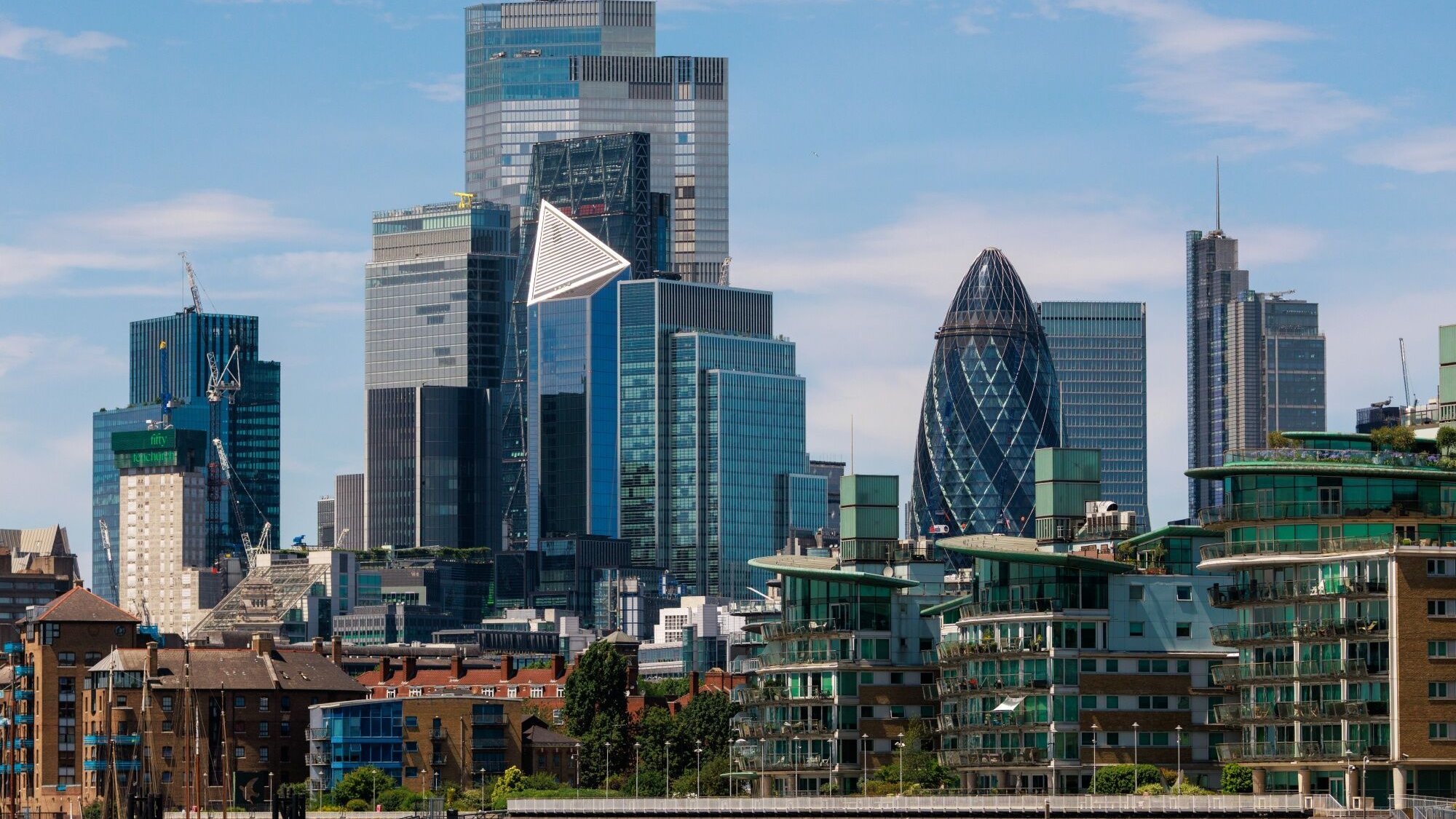
Competition from Other European Hubs: The report highlights that other European cities are not only maintaining but actively enhancing their appeal to investors. Cities in countries such as the United Kingdom, the Netherlands, France, and even emerging markets within Central and Eastern Europe, are presenting compelling investment opportunities. These cities may offer higher rental growth potential, more favorable development conditions, or simply a greater diversity of investable assets. London, for instance, consistently ranks high, underscoring its enduring status as a global financial and real estate center.
Sector-Specific Challenges: While the report focuses on city-level attractiveness, underlying sectoral performance also plays a role. Challenges in specific segments of the German real estate market, such as the office sector facing increased remote working trends or the residential sector grappling with affordability and construction costs, could contribute to a broader perception of reduced opportunity.
Top European Cities for Real Estate Investment: A Shifting Hierarchy
The "Emerging Trends in Real Estate Europe 2027" study identifies a distinct hierarchy of cities that are currently most attractive for real estate investment. While the exact list is proprietary to the study, the general trend indicates a consolidation of interest in established global hubs and a rise in cities offering specific growth narratives.
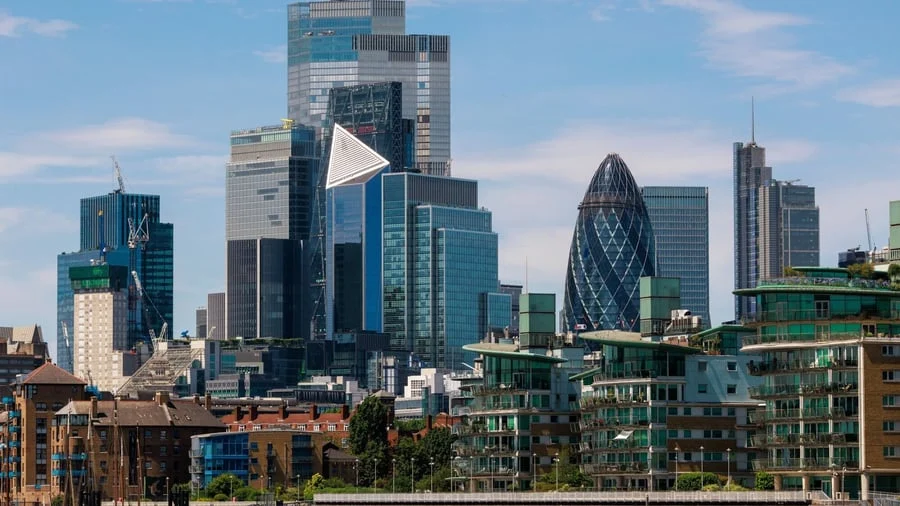
London’s Enduring Appeal: London consistently ranks among the top European cities for real estate investment, a testament to its status as a global financial center with a deep and liquid real estate market. Despite Brexit and other challenges, its diverse economy, talent pool, and historical attractiveness continue to draw significant international capital. The report likely confirms London’s top position, emphasizing its resilience and ongoing appeal for a wide range of property types.
The Rise of Other European Metropolises: Beyond London, the report highlights a cluster of other highly attractive cities. These often include:
- Paris: Benefiting from its status as a global cultural and economic capital, and preparations for major events like the Olympic Games, Paris continues to be a prime investment destination.
- Amsterdam: Known for its strong business environment, tech sector growth, and high quality of life, Amsterdam offers a dynamic market with robust demand for various asset classes.
- Berlin: While perhaps not as dominant as in previous years, Berlin’s vibrant startup scene and ongoing urban development continue to attract interest, though its appeal might be more niche.
- Dublin: Ireland’s capital benefits from its position as a European hub for multinational corporations and a favorable corporate tax environment.
- Madrid and Barcelona: These Spanish cities are experiencing a resurgence, driven by tourism, economic recovery, and a growing appeal for lifestyle and business.
- Cities in Central and Eastern Europe: Emerging markets such as Prague, Warsaw, or Budapest are increasingly being recognized for their growth potential, lower entry barriers, and developing infrastructure, attracting investors seeking higher yields.
The diminished presence of German cities in the top rankings suggests that while they remain important markets, they are no longer the default choice for many international investors. The report’s findings prompt a deeper look into what specific cities are outperforming and why.
Data-Driven Insights: Quantifying the Shift
While the article excerpt does not provide specific data points from the PwC/ULI report, a comprehensive analysis would typically include:

- Investment Volume Trends: Year-on-year changes in real estate transaction volumes for key German cities compared to their European counterparts. This would reveal the actual outflow or inflow of capital.
- Rental Growth Projections: Forecasts for rental income growth in prime office, retail, residential, and logistics sectors across different European cities. Investors are keen on markets with strong rental upside potential.
- Capitalization Rates (Cap Rates): The relationship between net operating income and property value. Lower cap rates generally indicate higher property values and investor demand. Trends in cap rates for German cities versus competitors would be telling.
- Development Pipeline and Pipeline Attractiveness: The volume and quality of new construction projects in various cities. A healthy development pipeline signals confidence in future demand.
- Occupancy Rates: The percentage of available space that is leased. High occupancy rates are indicative of strong tenant demand.
- Foreign Direct Investment (FDI) Data: Broader economic indicators of foreign investment into the real estate sectors of different countries.
For example, data from real estate consultancies like JLL or CBRE often corroborate such trends. Their reports might show that while German cities like Berlin or Munich have historically been in the top five European investment destinations, they have recently slipped down the rankings, with cities like London, Paris, and Amsterdam maintaining or improving their positions. The decline might be quantified by a percentage drop in annual investment volumes or a decrease in the number of German cities appearing in the top 10 or 20 lists compiled by these firms.
Analyzing the Implications: What Does This Mean for Germany?
The declining attractiveness of German cities for real estate investors has several significant implications:
- Reduced Capital Inflow: Lower investment volumes mean less foreign capital entering the German real estate market. This can impact the liquidity of the market and the ability of developers to secure funding for new projects.
- Potential for Price Stagnation or Decline: A decrease in demand from international investors could lead to a stabilization or even a decline in property prices, particularly in segments that have relied heavily on foreign capital. This could affect property valuations and the net worth of existing property owners.
- Impact on Economic Development: Real estate investment is a key driver of economic activity, creating jobs in construction, management, and related services. A slowdown in investment could have ripple effects on the broader German economy.
- Need for Market Adaptation: German cities and developers may need to adapt their strategies to remain competitive. This could involve streamlining planning processes, offering more attractive investment incentives, or focusing on specific niche markets with strong growth potential.
- Shift in Development Focus: With potentially less demand from institutional international investors, there might be a shift towards catering to domestic investors or focusing on specific asset classes that remain resilient, such as logistics or certain segments of the residential market (e.g., affordable housing).
Expert Perspectives and Potential Responses
While the original article doesn’t include direct quotes, based on the trends identified, one could infer the sentiments of various stakeholders.
Investors: Many international investors are likely to express a need for greater transparency, faster decision-making processes, and clearer long-term growth prospects. They may advocate for reforms that simplify regulatory hurdles and encourage innovation in urban development.
Developers: German developers might be calling for governmental support to make projects more feasible, such as tax incentives for sustainable construction or streamlined approval processes. They may also need to diversify their funding sources and explore partnerships to mitigate risks.
City Authorities: Municipalities might respond by actively marketing their cities’ strengths, highlighting areas of growth such as the green transition, digitalization, or specific industry clusters that attract businesses. They may also work on improving urban infrastructure and quality of life to enhance their overall appeal.
The German Government: Policymakers might face pressure to address the economic challenges, such as energy policy and regulatory frameworks, that are impacting investment sentiment. Reforms aimed at improving the ease of doing business and fostering a more predictable investment environment would likely be on the agenda.
Conclusion: A Call for Strategic Realignment
The findings of the "Emerging Trends in Real Estate Europe 2027" study signal a critical juncture for the German real estate market. The historical dominance of German cities in investor portfolios is being challenged by a more dynamic and competitive European landscape. While Germany’s fundamental economic strengths remain, a strategic realignment is necessary to regain its position as a premier destination for real estate investment. This will require concerted efforts from all stakeholders – investors, developers, and policymakers – to address current challenges and capitalize on emerging opportunities, ensuring that Germany’s urban centers remain attractive and vibrant for future investment. The report serves as a stark reminder that in the globalized world of real estate, continuous adaptation and strategic foresight are paramount to maintaining a competitive edge.