Ella Zulfa
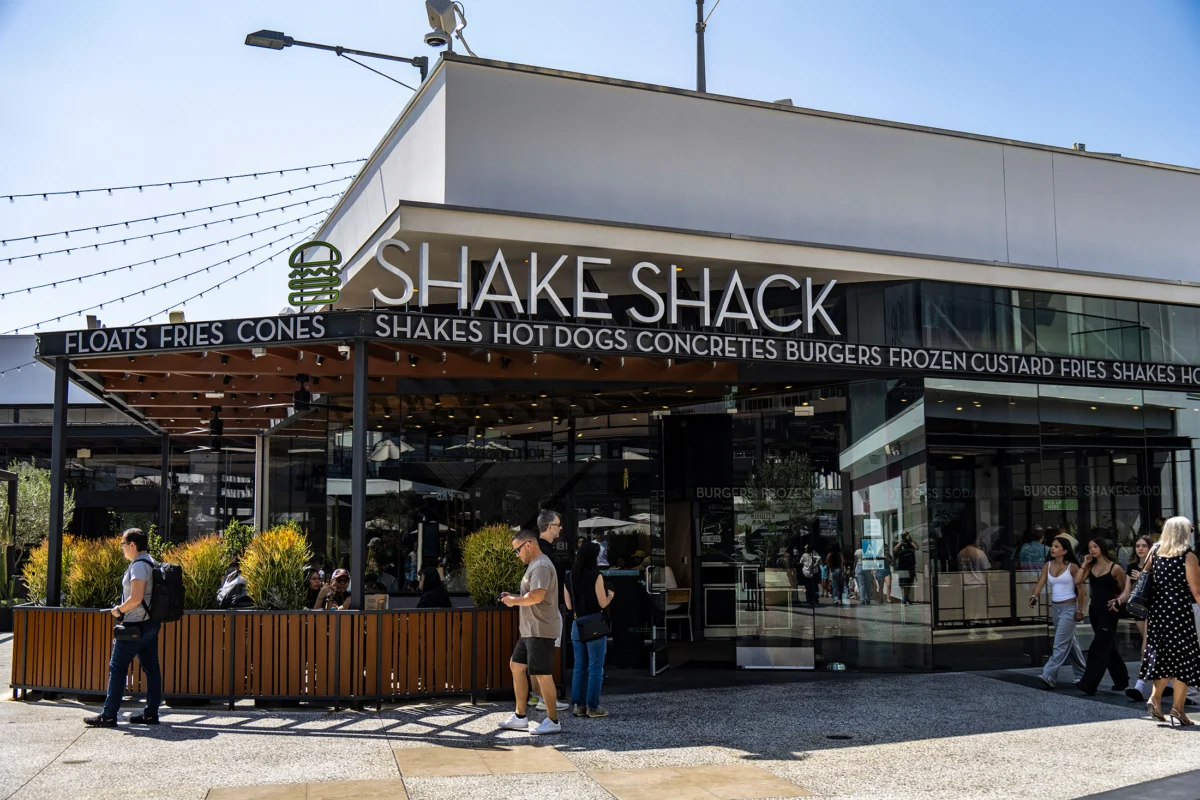
Shake Shack, the fast-casual burger chain known for its elevated take on American classics, has achieved a significant milestone, opening a record 21 new locations in the third quarter of 2026, and a total of 54 stores year-to-date, with projections for up to 65 new openings by the end of the year. This aggressive expansion strategy, detailed by CEO Rob Lynch, is underpinned by a meticulous approach to site selection designed to avoid cannibalizing sales from existing restaurants, a tactic that appears to be resonating positively with Wall Street investors.
The company’s commitment to controlled growth is exemplified by a strict geographical rule: new Shake Shack locations are intentionally not opened within a 10-mile radius of an existing establishment, with the notable exception of Manhattan, a dense urban environment where such proximity is often unavoidable. This deliberate strategy, as articulated by Lynch, aims to safeguard the sales performance of each individual Shack, ensuring that each new opening contributes positively to the overall financial health of the brand without siphoning revenue from its established counterparts.
The Cannibalization Concern: A Core Tenet of Shake Shack’s Growth Strategy
In the highly competitive fast-casual dining sector, rapid expansion can often lead to a phenomenon known as cannibalization. This occurs when the introduction of a new outlet in close proximity to an existing one draws customers away from the established location, thereby diluting overall sales and potentially hindering profitability for both. Brands like Starbucks, which has historically pursued a more aggressive saturation strategy in certain markets, have faced scrutiny for this very issue, sometimes leading to store closures when market saturation reaches a point of diminishing returns.
Shake Shack’s leadership, under CEO Rob Lynch, has proactively addressed this potential pitfall by implementing the 10-mile rule. This policy is not merely a guideline but a fundamental component of their expansion blueprint. Lynch has asserted that, barring the unique circumstances of Manhattan’s high-density urban landscape, the company adheres to this spacing principle. The primary driver behind this rule is to ensure that each new Shack operates in a distinct market territory, maximizing its potential customer base and minimizing internal competition.
The only exception to this rule, Lynch has noted, is in the realm of delivery. While physical store locations are spaced to avoid direct customer overlap, the operational radius for delivery services typically spans around seven miles. This means that while customers are unlikely to choose between two nearby Shacks for an in-person visit, delivery orders might occasionally originate from a customer within the delivery zone of a more distant, but still accessible, store. However, the overall impact of delivery on cannibalization is considered to be far less significant than the direct competition for dine-in and takeout customers.
A Robust Growth Trajectory: Numbers Speak Louder Than Words
The success of Shake Shack’s expansion strategy is demonstrably reflected in its recent financial performance. The company’s opening of 21 new Shacks in the third quarter of 2026 marks a significant acceleration in its growth trajectory. This follows a strong performance throughout the year, with 54 stores already established and an ambitious target of 65 new openings by the close of 2026. This level of growth is indicative of a robust operational capacity and a confident outlook on market demand.
CEO Rob Lynch has expressed a strong belief in the untapped potential of the U.S. market, estimating that there is room for at least 1,500 Shake Shack locations nationwide. This projection, as reported by Restaurant Business, suggests a long-term vision for sustained expansion, with a focus on strategic placement rather than sheer volume.
The positive impact of this controlled expansion is evident in key financial metrics. In the third quarter, Shake Shack reported a 2.5% increase in same-store sales. This marks the fifth consecutive quarter of growth in this crucial indicator, demonstrating that even as new stores are added, existing locations continue to perform well. While newly opened Shacks typically begin with lower sales figures compared to the chain’s average of $4 million per store, the overall revenue picture is overwhelmingly positive.
Total revenue for the third quarter of 2026 surged by 15.2%, reaching $423.3 million. This substantial increase underscores the effectiveness of the company’s growth strategy and its ability to attract and retain customers. The market’s reaction to this performance has been overwhelmingly favorable, with Shake Shack’s stock price experiencing a notable jump of nearly 9% on Monday following the earnings report. This surge in stock value reflects investor confidence in Shake Shack’s management, its expansion strategy, and its future earning potential.
A Timeline of Strategic Growth and Investor Relations
The current expansion phase represents a culmination of years of strategic planning and operational refinement for Shake Shack. Founded in 2001 as a hot dog cart in New York City’s Madison Square Park, the company has evolved into a global brand. Its initial focus on quality ingredients, a modern aesthetic, and a vibrant atmosphere laid the groundwork for its subsequent growth.
- Early Years (2001-2010s): Shake Shack’s initial growth was largely organic, focusing on establishing a strong presence in key urban centers. The emphasis was on creating a destination dining experience that appealed to a discerning clientele.
- Public Offering and Accelerated Growth (2015 onwards): The company’s initial public offering (IPO) in 2015 provided the capital necessary for more ambitious expansion. This period saw an increase in the pace of store openings, both domestically and internationally.
- Strategic Refinement and the 10-Mile Rule (Late 2010s – Present): As the brand matured and the competitive landscape intensified, Shake Shack began to refine its site selection strategy. The formalization and strict adherence to the 10-mile rule, as championed by CEO Rob Lynch, became a cornerstone of this refined approach, particularly as the company looked to expand beyond its core urban strongholds.
- Record Quarter (Q3 2026): The opening of 21 new Shacks in the third quarter of 2026 represents the most significant quarterly expansion to date, validating the efficacy of the company’s long-term strategy and its ability to execute complex growth plans.
The consistent communication of this strategy to investors has been crucial. By clearly articulating the rationale behind their expansion model and demonstrating its positive impact on same-store sales and overall revenue, Shake Shack has cultivated a strong relationship with the financial community. The positive stock reaction following the Q3 earnings report is a testament to this effective investor relations approach.
Broader Implications for the Fast-Casual Sector and Consumer Behavior
Shake Shack’s success with its controlled expansion model offers valuable insights for other players in the fast-casual dining industry. In an era where market saturation can be a significant risk, demonstrating that profitable growth can be achieved through strategic placement rather than sheer ubiquity is a powerful message. This approach may encourage other brands to re-evaluate their expansion strategies, prioritizing market research and a deep understanding of local demographics and competitive landscapes.
Furthermore, Shake Shack’s ability to maintain strong same-store sales growth even amidst rapid new store openings suggests a growing consumer appetite for their specific brand experience. This indicates that their target demographic is not only expanding but also remains loyal to the core Shake Shack offering. The brand’s ability to consistently deliver on its promise of quality food, inviting ambiance, and efficient service is likely a key factor in mitigating cannibalization and fostering sustained customer engagement.
The company’s revenue growth of 15.2% also signals a healthy demand for the premium fast-casual segment. As consumers continue to seek out convenient yet high-quality dining options, brands that can effectively balance speed of service with a superior product and experience are well-positioned for continued success. Shake Shack’s strategy appears to be a textbook example of achieving this balance.
Future Outlook and Continued Investor Interest
With a clear vision for substantial domestic growth, Shake Shack is poised to continue its upward trajectory. The company’s disciplined approach to expansion, coupled with its strong financial performance, suggests that it will remain an attractive investment. The ongoing commitment to the 10-mile rule, while seemingly conservative, is proving to be a robust strategy for sustainable, long-term growth, ensuring that each new Shack contributes to the overall strength and profitability of the brand. As Shake Shack continues to open its doors across the nation, its adherence to strategic site selection and its positive financial outcomes are likely to keep both consumers and investors keenly interested.