Ella Zulfa
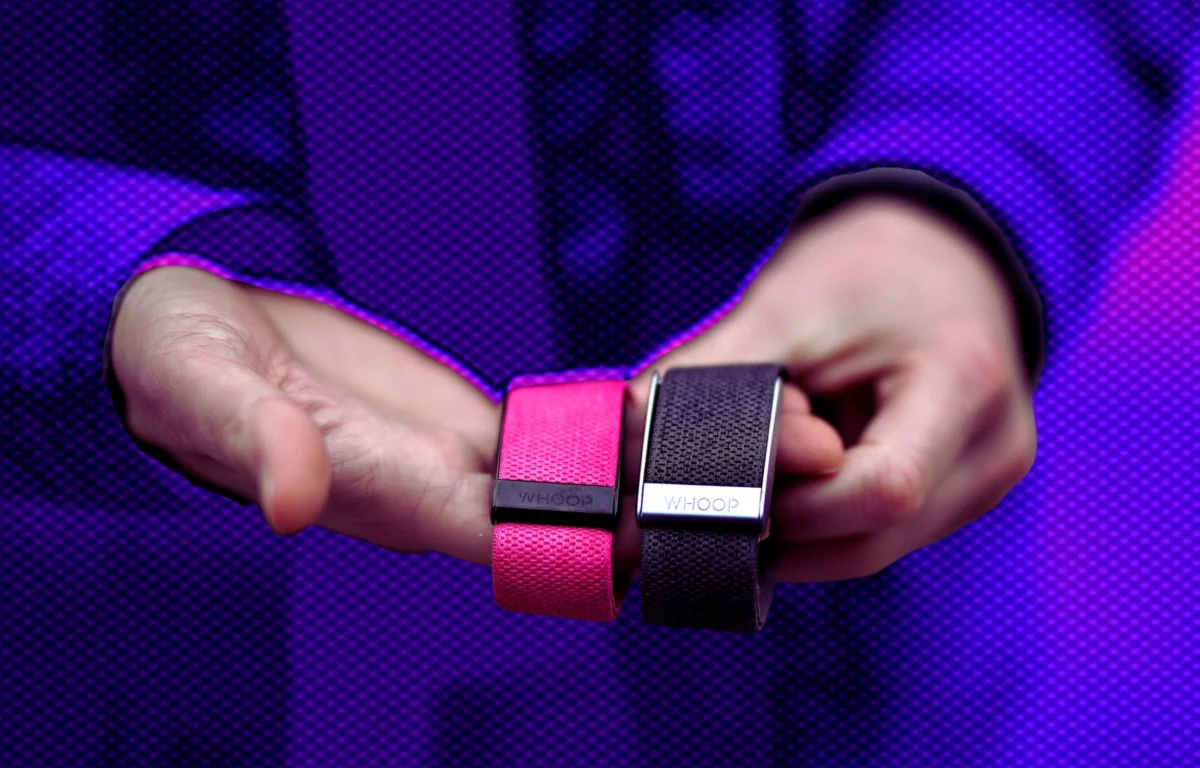
Whoop, the prominent consumer technology company renowned for its innovative screenless fitness bands, is expanding its ecosystem beyond individual health metrics. The company announced this week the launch of "Whoop Humans," a novel social network integrated into its existing app, aiming to cultivate a more authentic and supportive community among its users. Positioned as "the most verifiably human social network," Whoop Humans seeks to leverage real-time physiological data to create a unique social experience.
The core of Whoop Humans lies in its ability to connect users based on their verified physiological data. In an era increasingly dominated by digital interactions, Whoop CEO and founder Will Ahmed articulated the company’s vision, stating in a press release, "In a world that’s becoming increasingly artificial, we’re building something deeply human. Every account represents a real person with a verified heartbeat. They have real goals, challenges, and achievements. That’s what makes Whoop Humans different, and it’s a big area of investment for us." This emphasis on "verified heartbeat" underscores Whoop’s unique approach, distinguishing it from conventional social platforms that rely solely on self-reported information.
How Whoop Humans Operates
The functionality of Whoop Humans is designed for seamless integration within the Whoop app. Members can connect with friends, family, and other Whoop users, creating a network of individuals committed to understanding and improving their physical well-being. The platform allows users to share updates on their workouts, sleep patterns, and recovery scores – key metrics meticulously tracked by Whoop wearables. These shared insights can be accompanied by comments and reactions, fostering a dynamic and interactive environment.
The underlying philosophy of Whoop Humans is to facilitate mutual encouragement and to provide a mechanism for proactive support. The platform aims to empower users to celebrate each other’s successes and, crucially, to check in on one another when physiological data suggests a need for rest or recovery. This proactive approach to well-being is a significant departure from traditional social media, which often focuses on curated highlights and can inadvertently foster feelings of inadequacy.
User Testimonials and Early Reception
Early feedback from Whoop members highlights the potential of this new social dimension. Mika Bublitz, a Whoop member, shared her perspective on the platform’s ability to foster genuine connection: "Sometimes people don’t tell you when they’re not feeling their best. If I see a friend’s Recovery is low, I can check in and say, ‘Hey, it’s okay to take it easy today.’ That’s what I like about Whoop Humans. It gives us another way to look out for each other." This sentiment reflects the growing desire for more authentic online interactions and the recognition that technology can play a role in facilitating empathetic communication.
The launch of Whoop Humans comes at a time when Whoop has experienced significant growth. The company reports that its network now comprises over three million members globally, with individuals owning a Whoop wearable. The engagement metrics further underscore the platform’s popularity; members reportedly open the Whoop app more than eight times per day, indicating a high level of daily interaction and reliance on the data provided by the device. This consistent engagement suggests a fertile ground for a social network built around shared health journeys.
A Deeper Dive into Whoop’s Ecosystem
Whoop’s unique business model centers on annual memberships, priced between $199 and $359, which include the company’s signature wrist-worn fitness tracker. This device is engineered to monitor a comprehensive suite of physiological data, including sleep quality, heart rate variability, respiratory rate, and strain. The overarching objective is to provide users with actionable insights to optimize their health, athletic performance, and overall well-being. A key feature of the Whoop wearable is its extended battery life, lasting up to two weeks on a single charge, which minimizes disruption to continuous data collection.
The journey to this point has been a testament to sustained vision and development. Will Ahmed revealed in a recent interview on the "All-In Podcast" that Whoop’s path to widespread adoption was a long one, characterizing it as "it took a very long time to be an overnight success." He elaborated that it took approximately 12 years to reach the one-million-member milestone. The subsequent growth has accelerated significantly, with the company reaching two million members in about 18 months and then achieving three million members in a mere six months. Looking ahead, Whoop anticipates concluding the current year with approximately four million members, a trajectory that underscores the increasing demand for sophisticated health monitoring technology.
The scientific underpinnings of Whoop’s efficacy are supported by its own research. A study published last year in the journal Sensors, analyzing 12 weeks of data from nearly 12,000 Whoop members, revealed compelling correlations between consistent wearable use and positive health outcomes. The findings indicated that daily Whoop wearers engaged in over 90 additional minutes of exercise per week compared to non-daily users. Furthermore, these dedicated users reported approximately 20 extra minutes of sleep per night, translating to over two additional hours of sleep per week. This research provides empirical evidence for the behavioral impact of consistent physiological monitoring and the insights it can drive.
Competitive Landscape and Future Outlook
The health and fitness tracker market is intensely competitive, with major players like Google and Apple vying for market share. Google recently entered the screenless wearable space with the introduction of the Fitbit Air, priced at $100, a move that directly challenges the niche occupied by Whoop. Reports also suggest that Apple is actively developing its own screenless device, potentially aiming to compete with existing offerings from companies like Oura and Whoop.
In this dynamic environment, Whoop’s strategic move to incorporate a social network is a significant development. By fostering a sense of community and shared experience, Whoop aims to enhance user retention and deepen engagement beyond the individual metrics. The "verifiably human" aspect of Whoop Humans is a deliberate attempt to differentiate itself from the often superficial and performative nature of broader social media platforms. By grounding social interaction in objective physiological data, Whoop is attempting to create a space for more genuine connection and mutual support, aligning with the growing consumer desire for authentic online experiences.
The implications of Whoop Humans extend beyond mere social interaction. By creating a platform where users can openly share and discuss their health data, Whoop could facilitate valuable peer-to-peer learning and support. For individuals struggling with motivation, accountability, or understanding their own physiological responses, the collective wisdom and encouragement of the Whoop community could prove invaluable. Moreover, the aggregated, anonymized data from Whoop Humans could offer researchers and public health officials unprecedented insights into population-level health trends, behavioral patterns, and the efficacy of various interventions.
The company’s continued investment in this social dimension signals a belief that the future of wearable technology lies not just in data collection but in how that data is contextualized and shared within a supportive human network. As the technology continues to evolve, the integration of sophisticated physiological tracking with authentic social connection positions Whoop at the forefront of a new wave of health and wellness platforms. The success of Whoop Humans will likely depend on its ability to maintain the integrity of user data, ensure privacy, and foster a positive and supportive environment that genuinely reflects its "verifiably human" ethos. This initiative represents a bold step for Whoop, aiming to weave a stronger social fabric into the already robust tapestry of personal health tracking.