Ena Muazin
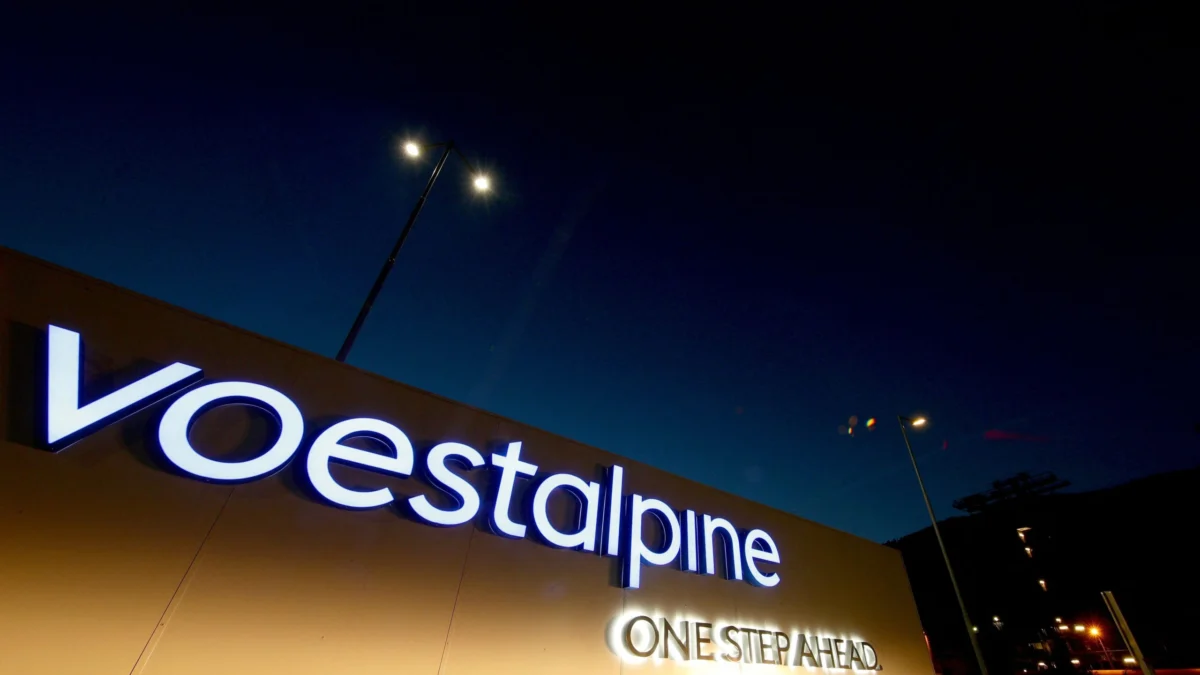
The autumn season has presented a series of significant challenges for Voestalpine, the prominent Austrian steel manufacturer headquartered in Linz. The company has been compelled to revise its annual financial projections downwards, a move that signals a period of recalibration for the industrial giant. Compounding these financial adjustments, a substantial workforce reduction of 150 positions is slated to occur in Kindberg, Styria, a measure that underscores the difficult operational decisions being made. The tangible impact of these developments was further emphasized on Friday, as Voestalpine’s shares closed at €32.56 on the Vienna Stock Exchange, marking a new low for the year. This confluence of negative news has cast a shadow over the company’s immediate outlook, prompting close scrutiny from investors and market analysts alike.
A Challenging Autumn for Voestalpine
The recent downturn for Voestalpine can be traced to a combination of internal and external factors that have converged to create a challenging operating environment. The downward revision of the company’s annual forecast, while not unprecedented in the cyclical steel industry, indicates a more pronounced softening of demand or an increase in operational costs than initially anticipated. The specific reasons for this revision have not been fully detailed by the company, but industry observers point to a broader slowdown in key European manufacturing sectors, which are major consumers of steel products. Furthermore, escalating energy prices and supply chain disruptions, exacerbated by geopolitical tensions, have likely contributed to increased production costs, squeezing profit margins.
The decision to implement job cuts in Kindberg, while difficult, reflects a strategic response to these evolving market conditions. The number of positions affected, 150, represents a notable reduction in the workforce at that particular site. Such measures are often taken to streamline operations, enhance efficiency, and align production levels with current demand. The Kindberg facility, like many in the heavy industry sector, is susceptible to fluctuations in the global steel market, and the company’s management has evidently determined that workforce adjustments are necessary to maintain financial stability.
The stock market’s reaction has been swift and decisive. The closing price of €32.56 per share on Friday represents a significant depreciation from earlier highs and signifies a new benchmark for the lowest point reached by Voestalpine’s stock in the current calendar year. This decline can be attributed to a combination of investor sentiment, driven by the negative news flow, and potentially to broader market trends that are affecting the industrial and materials sectors. The year-to-date performance, showing a loss of nearly 15%, further illustrates the difficult trading period the company has experienced.
Analyst Confidence Persists Despite Market Headwinds
Despite the palpable headwinds facing Voestalpine, a significant segment of financial analysts remains cautiously optimistic about the company’s long-term prospects. This divergence in sentiment highlights the complex interplay between short-term operational challenges and underlying strategic strengths. The steel industry is inherently cyclical, and analysts often look beyond immediate fluctuations to assess a company’s fundamental value and its position within the evolving market landscape.
In a notable vote of confidence, Jefferies upgraded Voestalpine’s stock to a "Buy" rating in the past week. While this positive rating signals a belief in the stock’s potential for appreciation, the firm concurrently lowered its price target from €52 to €48. This adjustment in the price target suggests that while the fundamental outlook remains favorable, the immediate challenges may temper the pace of recovery or necessitate a more conservative valuation for the near term. Such nuanced rating changes are common when analysts acknowledge both positive catalysts and ongoing risks.
Furthermore, prominent financial institutions such as Deutsche Bank, UBS, and JP Morgan also maintain a "Buy" recommendation for Voestalpine shares. This broad consensus among major financial players underscores a shared conviction in the company’s resilience and its capacity to navigate current market difficulties. These institutions often base their recommendations on thorough fundamental analysis, including an assessment of the company’s competitive positioning, its innovation pipeline, and its exposure to key growth markets.
A significant factor underpinning this analyst optimism appears to be the recent implementation of new EU safeguard measures for the steel market. These measures, designed to protect European steel producers from what is perceived as unfair competition from imports, are expected to create a more favorable operating environment. A spokesperson for Voestalpine, in response to an inquiry from Handelsblatt, indicated that the company anticipates "tailwinds" as a result of these protective measures. These safeguards typically involve the imposition of quotas or tariffs on certain steel products, thereby reducing the influx of cheaper imports and allowing domestic producers to compete on a more even playing field.
Robust Growth Expectations for the Upcoming Fiscal Year
The analysts’ positive outlook is further substantiated by robust growth expectations for Voestalpine’s upcoming fiscal year, which commences in April. According to Jefferies’ analysis, the consensus among industry experts projects an operating result before depreciation and amortization (EBITDA) of €2.04 billion. This figure represents a substantial increase, approximately one-fifth higher than the anticipated result for the current fiscal year.
EBITDA is a key financial metric used to assess a company’s operational profitability. A projected increase of this magnitude suggests that analysts anticipate a significant rebound in Voestalpine’s earnings power. This forecast is likely predicated on several factors: the anticipated benefits from the EU steel safeguards, a potential recovery in demand from key customer industries, and the company’s ongoing efforts to improve operational efficiency and innovate its product offerings.
The projected EBITDA of €2.04 billion would not only signify a substantial improvement over the current year but would also likely bring the company’s performance back in line with or even exceed historical averages, depending on the specific economic climate of the period. This forward-looking optimism is a crucial counterpoint to the current stock price underperformance and suggests that many market participants are viewing the present situation as a temporary dip rather than a fundamental deterioration of the business.
Stock Performance Lags Growth Projections: A Potential Buying Opportunity?
Despite the encouraging long-term growth projections and the generally positive analyst ratings, Voestalpine’s stock performance has not yet mirrored these optimistic expectations. The equity has experienced a notable decline of nearly 15% since the beginning of the year. Furthermore, when compared to its European steel industry peers, Voestalpine’s stock has lagged significantly, with Jefferies reporting a deficit of 27 to 50 percentage points in performance since January.
This disconnect between anticipated future performance and current market valuation has led some analysts to view the current stock price as an attractive entry point. Deutsche Bank, for instance, has characterized the recent decline in Voestalpine’s share price as a "buying opportunity." This perspective suggests that the market may be overreacting to short-term challenges, thereby creating a situation where the stock is undervalued relative to its intrinsic worth and future earnings potential.
The reasons for this underperformance can be multifaceted. Investor sentiment can be heavily influenced by immediate news flow, and the series of setbacks in the autumn—the forecast revision, job cuts, and the annual low—may have created a negative perception that is proving difficult to shake. Broader market sentiment, including concerns about global economic growth, inflation, and interest rate hikes, can also weigh on cyclical stocks like those in the steel sector, regardless of individual company performance.
Moreover, the steel industry is subject to global commodity price fluctuations and intense international competition. While the EU safeguards aim to mitigate some of these pressures, the overall global economic landscape continues to present uncertainties. Investors may be adopting a wait-and-see approach, holding back from significant new investments until there is clearer evidence of sustained recovery and a more stable geopolitical environment.
Broader Context: The Global Steel Market and Voestalpine’s Strategic Positioning
Voestalpine operates within a global steel industry that is undergoing significant transformations. The industry is characterized by its cyclical nature, its sensitivity to macroeconomic conditions, and its increasing focus on sustainability and decarbonization. As a major European producer, Voestalpine is particularly attuned to the regulatory landscape and competitive dynamics within the European Union.
The EU’s commitment to achieving climate neutrality by 2050 is driving significant investment in green steel technologies. Voestalpine has been actively pursuing initiatives in this area, investing in research and development for innovative production processes that reduce carbon emissions. These efforts are crucial for long-term competitiveness, as customers and regulators increasingly demand sustainable materials. The company’s strategic focus on high-quality steel products for demanding sectors such as the automotive industry, aerospace, and renewable energy infrastructure provides a degree of insulation from the more commoditized segments of the market.
The recent EU safeguard measures are a response to concerns about the influx of unfairly priced steel from countries with lower production costs and potentially less stringent environmental regulations. These measures aim to level the playing field and protect the jobs and investments of European steel manufacturers. However, such protectionist policies can also lead to retaliatory measures from trading partners and can, in some cases, lead to higher prices for downstream industries that rely on steel as a raw material.
The company’s significant presence in specialty steel products, rather than purely bulk commodity steel, is a strategic advantage. This focus allows Voestalpine to command higher margins and build stronger relationships with customers who require tailored solutions and superior product performance. The company’s investment in advanced manufacturing capabilities and its commitment to innovation are key differentiators in a competitive global market.
Future Outlook: Navigating Economic Uncertainty with Strategic Resilience
Looking ahead, Voestalpine’s trajectory will be influenced by a complex interplay of global economic trends, geopolitical developments, and the effectiveness of its own strategic initiatives. The company’s ability to manage its cost base, adapt to evolving customer demands, and capitalize on opportunities in emerging sectors will be critical.
The projected growth in EBITDA for the next fiscal year, driven by analyst expectations of a more favorable market environment due to EU safeguards and potential demand recovery, offers a promising outlook. However, the path to realizing these projections will likely involve navigating ongoing economic uncertainties, including persistent inflation, potential recessions in key markets, and the continued impact of supply chain disruptions.
The company’s strategic diversification into high-value sectors and its investments in sustainable production technologies position it well for the future. The current stock market underperformance, viewed by some analysts as a "buying opportunity," suggests that the market may be undervaluing Voestalpine’s long-term potential. As the company continues to execute its strategy and the anticipated market tailwinds materialize, its share price may eventually reflect its underlying fundamental strength. Investors and industry observers will be closely watching Voestalpine’s performance in the coming quarters to assess its ability to translate strategic vision into sustained financial success amidst a challenging global economic backdrop.