Farhan Pambudi
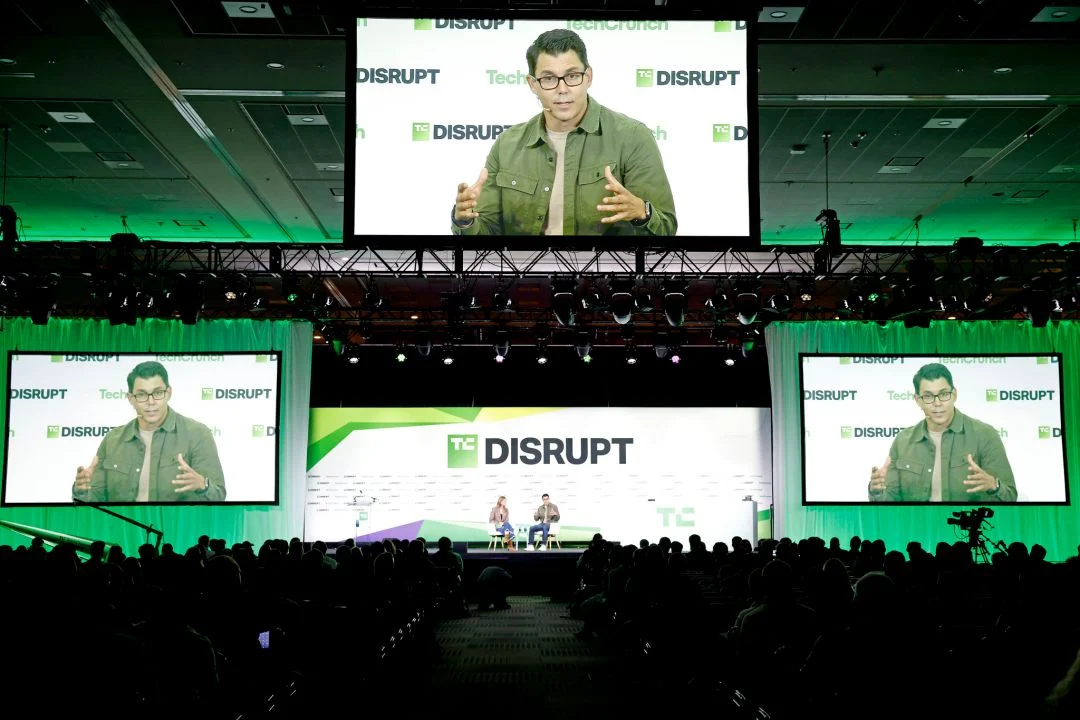
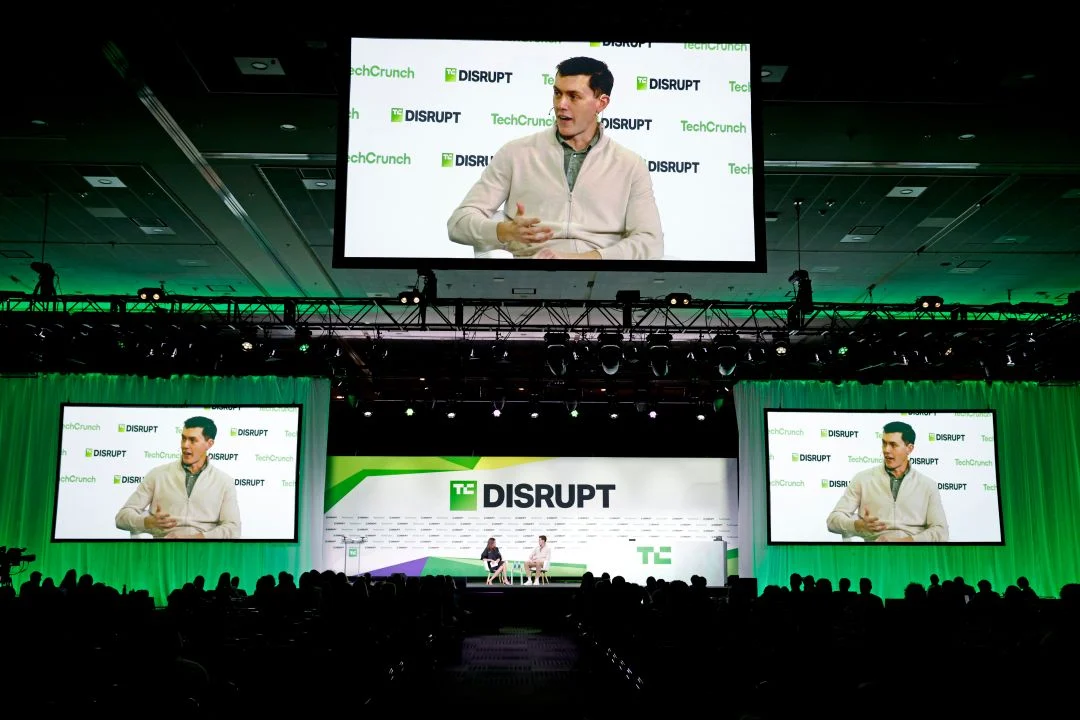
The second day of TechCrunch Disrupt 2026 commenced at San Francisco’s Moscone West, signaling a pivotal shift in the conference’s focus from early-stage conceptualization to the practical scaling and physical deployment of emerging technologies. With an estimated attendance of over 10,000 founders, investors, and technology leaders, the event continues to serve as the global epicenter for the startup ecosystem. The day’s proceedings are characterized by an intense focus on Artificial Intelligence (AI), robotics, and the evolving mechanics of venture capital, featuring high-profile speakers from industry titans such as Nvidia and Benchmark.
As the tech industry navigates a post-generative AI boom, the discussions at Disrupt 2026 reflect a broader trend toward "Physical AI"—the integration of intelligent systems into hardware, robotics, and public infrastructure. This transition marks a significant milestone in the technological timeline, moving beyond digital chatbots toward autonomous systems capable of interacting with the physical world.

Historical Context and Event Evolution
TechCrunch Disrupt has long been recognized as the premier launchpad for transformative startups, with previous alumni including companies like Dropbox, Cloudflare, and Fitbit. Since its inception, the conference has evolved from a niche gathering of Silicon Valley enthusiasts into a massive multi-stage summit that dictates the narrative for the global venture market.
The 2026 edition takes place against a backdrop of stabilizing interest rates and a renewed appetite for "hard tech" and "deep tech" investments. After several years of software-centric dominance, the 2026 agenda emphasizes the convergence of AI with traditional sectors such as life sciences, manufacturing, and public safety. The choice of Moscone West, a venue synonymous with major tech breakthroughs, underscores the scale of ambition represented by the 300-plus startups currently exhibiting in the Expo Hall.
Detailed Chronology of Day 2
The day began at 8:00 a.m. PT with the opening of the registration halls and the Expo Hall on Level 2. The morning hours were dominated by the Pitch Showcase Stage, where enterprise-focused startups delivered high-velocity presentations to panels of seasoned investors. This segment provides a real-time look at how modern founders are articulating value propositions in an increasingly crowded AI marketplace.

Throughout the midday period, the programming split across several specialized stages, including the Disrupt Stage, the Builders Stage, and the Real World AI Stage. Each track was designed to address specific tiers of the startup lifecycle, from "zero-to-one" creation to late-stage scaling and the complexities of initial public offerings (IPOs).
The afternoon sessions shifted toward high-level strategic discussions, including the StrictlyVC track, which is restricted to Investor Pass holders. These closed-door conversations focused on the shifting role of Limited Partners (LPs) and the increasing influence of family offices in the venture landscape. The day will conclude with a series of "Side Events" across San Francisco, intended to facilitate informal networking and relationship-building beyond the conference walls.
The Physical AI Revolution: Robotics and Hardware
A central theme of Day 2 is the realization of AI in physical forms. On the Real World AI Stage, the discourse focused on the challenges of deploying autonomous systems where "failure is not an option." Raquel Urtasun of Waabi and Nathan Michael of Shield AI discussed the rigorous safety protocols required for autonomous trucking and defense technologies, respectively.

One of the most anticipated moments of the day was the live demonstration of "Stretch 4," a robot developed by Hello Robot. Unlike the highly curated videos often seen on social media, this demonstration focused on the robot’s ability to navigate unpredictable, real-life environments. This was followed by a presentation from Agility Robotics featuring "Digit," a humanoid robot designed for logistics and warehouse automation.
Les Karpas of Nvidia provided a fact-based analysis of why robotics is currently awaiting its "ChatGPT moment." According to Karpas, while generative AI has mastered language, the "spatial intelligence" required for robots to interact with physical objects is the next great frontier. Industry data suggests that the global market for humanoid robots could reach $38 billion by 2035, and the sessions at Disrupt 2026 suggest that the foundational technologies for this growth are being solidified today.
The Investment Landscape: Benchmark and the Future of Venture
The presence of the full partnership from Benchmark—including Jack Altman, Peter Fenton, Chetan Puttagunta, Everett Randle, and Eric Vishria—provided a rare glimpse into the internal thesis of one of the world’s most successful venture capital firms. The partners discussed their current beliefs on where the next breakout startups will emerge, highlighting a shift away from "AI wrappers" toward companies building proprietary infrastructure and vertically integrated solutions.

Supporting data from the first half of 2026 indicates a "flight to quality" in venture rounds. While total deal volume has seen a moderate correction from the peaks of 2021, the average size of Series A rounds for AI-first companies has remained robust. The "Series A in 2027" panel, featuring representatives from Index Ventures and Bessemer Venture Partners, offered a forward-looking analysis of the metrics founders will need to hit to secure institutional backing in the coming year.
A significant takeaway from the investment sessions is the rising prominence of "Sovereign AI." This concept, discussed by representatives from Turkcell and the Office of the Presidency of the Republic of Türkiye, involves nations building their own localized AI infrastructure to ensure data privacy and national security. This trend suggests that the future of AI may be more fragmented and geopolitical than the current US-centric model.
Startup Battlefield 200: Competition and Innovation
The Startup Battlefield 200 continued on Day 2, with a focus on health tech, life sciences, and enterprise security. This competition, which offers a $100,000 equity-free grand prize, remains the centerpiece of the Disrupt experience. Contenders are judged not only on their technical innovation but also on their business model viability and their ability to withstand intense investor scrutiny.

In the health tech segment, startups presented solutions ranging from AI-driven drug discovery to wearable devices capable of real-time organ monitoring. The enterprise security track highlighted the "Agent Security Problem," a new category of risk emerging as companies deploy autonomous AI agents that have the authority to make financial transactions and access sensitive data.
Strategic Operational Insights for Founders
For founders in attendance, the Builders Stage offered practical playbooks for navigating a tougher market. A session titled "How to Win When You’re Not Building AI" provided essential context for the thousands of startups operating in sectors that are not directly related to large language models. Speakers from General Catalyst and Baillie Gifford emphasized that while AI is a powerful tool, fundamental business metrics—such as unit economics, customer acquisition costs (CAC), and churn—remain the ultimate arbiters of success.
Another critical discussion focused on the "Zero-to-1K Playbook," where

leaders from GV (Google Ventures) and Gamma shared strategies for acquiring the first 1,000 customers without a traditional marketing budget. The consensus among the experts was that in 2026, community-led growth and "relationship-led GTM (Go-To-Market)" strategies have become more effective than traditional digital advertising.
Analysis of Broader Impact and Implications
The proceedings of Day 2 at TechCrunch Disrupt 2026 suggest that the tech industry is entering a phase of "operationalization." The initial excitement surrounding generative AI is being replaced by a sober assessment of how these tools can be integrated into the enterprise and the physical world securely and profitably.
The emphasis on "Agentic AI" and robotics indicates that the next wave of productivity gains will likely come from systems that do not just suggest content but execute tasks. This has profound implications for the labor market, particularly in logistics, manufacturing, and middle-management roles within the enterprise.

Furthermore, the focus on "Sovereign AI" and the involvement of family offices in venture capital suggest a decentralization of tech power. While Silicon Valley remains the heart of the ecosystem, the capital and the infrastructure are becoming increasingly global and diverse.
As Day 2 concludes, the focus shifts to the final day of the conference, where the Startup Battlefield winner will be crowned, and the long-term trajectory of the 2026 vintage of startups will begin to take shape. For the 10,000 attendees at Moscone West, the message is clear: the era of pure digital experimentation is over, and the era of the "Real World AI" has officially arrived.