Lina Wu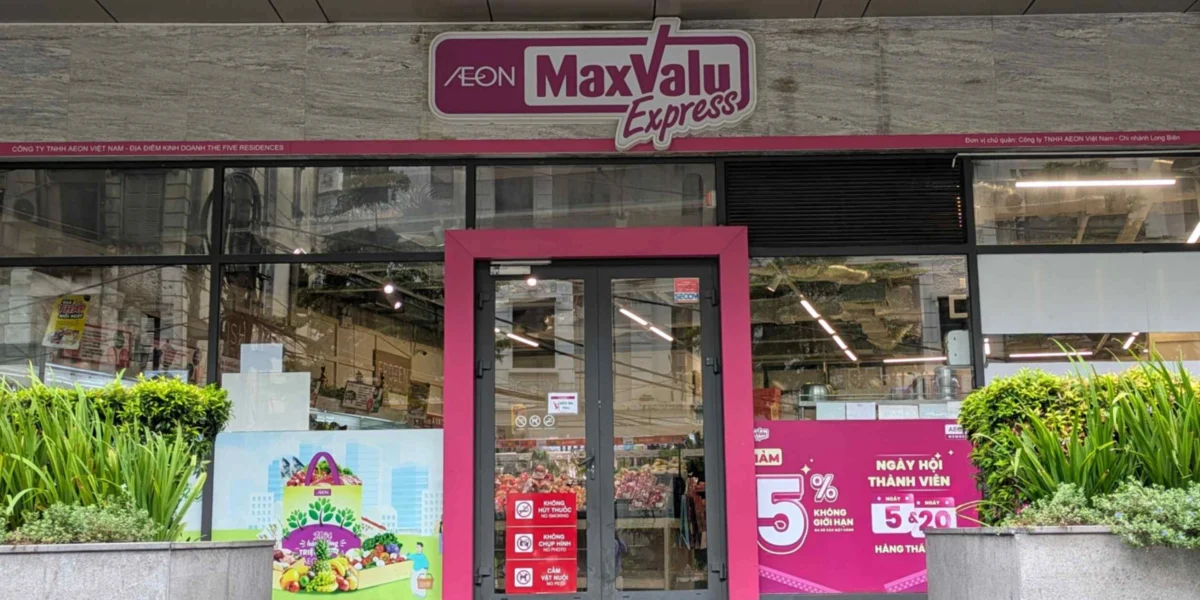
HANOI – Vietnam will significantly ease restrictions on foreign direct investment in its retail sector, a move long anticipated by international players and now poised to accelerate the expansion of major global retailers, particularly Japanese giants like Aeon and convenience store operator FamilyMart. The revised regulations will exempt foreign companies, including those from Japan and other developed nations, from additional bureaucratic reviews when establishing multiple retail outlets within the country. This streamlining is expected to unlock substantial growth opportunities for companies with ambitious expansion plans, marking a pivotal moment for Vietnam’s burgeoning consumer market.

A Strategic Shift in Vietnam’s Retail Landscape
The Vietnamese government’s decision to liberalize its retail investment framework is a strategic response to both domestic economic imperatives and the growing global interest in Vietnam as a prime investment destination. For years, foreign retailers have navigated a complex web of regulations, including requirements for multiple permits and approvals for each new store opening. This process, while intended to manage development, often proved to be a bottleneck, hindering the pace of expansion and deterring some potential investors. The new policy, effective from September 24, 2026, aims to dismantle these barriers, fostering a more dynamic and competitive retail environment.
This policy shift is particularly significant for Japanese companies, which have been actively seeking to deepen their presence in Vietnam’s rapidly growing economy. Aeon Co., a leading Japanese retailer, has been a vocal advocate for such regulatory reforms, having made substantial investments in Vietnam over the past decade. The company currently operates a network of Aeon Mall shopping centers, MaxValu supermarkets, and other retail formats across the country. The eased restrictions will enable Aeon to more rapidly deploy its various retail concepts, including its popular MaxValu convenience stores and larger supermarket chains, to meet the escalating demand from Vietnam’s burgeoning middle class.

Similarly, FamilyMart, a prominent Japanese convenience store chain, stands to benefit immensely. With a growing urban population and increasing disposable incomes, Vietnam presents a fertile ground for the convenience store model. The simplified approval process will allow FamilyMart to scale its operations more efficiently, a crucial factor in the highly competitive convenience retail segment.
Background and Timeline of Reforms
The liberalization of Vietnam’s retail sector has been a gradual but persistent theme in the country’s economic reform agenda, often referred to as "Doi Moi" (Renovation). As Vietnam integrated further into the global economy, particularly after joining the World Trade Organization (WTO) in 2007, it committed to opening its markets to foreign competition. However, the retail sector, being a sensitive area impacting local businesses and employment, has seen a more cautious approach to liberalization.

Initial commitments made under WTO accession and subsequent free trade agreements, such as the Comprehensive and Progressive Agreement for Trans-Pacific Partnership (CPTPP) and the EU-Vietnam Free Trade Agreement (EVFTA), laid the groundwork for increased foreign participation. These agreements often stipulated a phased liberalization of market access, with specific targets for reducing restrictions.
For years, foreign retailers have lobbied the Vietnamese government for a more streamlined investment process. Reports and analyses from industry bodies like the European Chamber of Commerce in Vietnam (EuroCham) and the Japan External Trade Organization (JETRO) have consistently highlighted regulatory hurdles as a key challenge. These discussions often involved bilateral dialogues between Vietnam and its trading partners, culminating in the recent policy announcement.

The specific impetus for the September 24, 2026, announcement can be traced to ongoing economic dialogues and reviews of existing trade commitments. Vietnamese authorities have recognized that a more open and competitive retail sector can drive innovation, improve consumer choice, and contribute to overall economic efficiency. The COVID-19 pandemic also underscored the importance of resilient and diverse supply chains, and a robust domestic retail sector is a key component of that resilience.
Supporting Data: Vietnam’s Growing Consumer Market
Vietnam’s economic trajectory provides a compelling backdrop for these regulatory changes. The country has experienced robust GDP growth for decades, consistently ranking among the fastest-growing economies in Southeast Asia. This growth has been fueled by a young, increasingly urbanized population with rising disposable incomes.

- Demographics: Vietnam boasts a young population, with a median age of around 32 years. This demographic profile translates into a large and growing consumer base with evolving preferences and increasing purchasing power. The country is projected to have a middle-class population of over 50 million people by 2035, according to various economic forecasts.
- Urbanization: Rapid urbanization is concentrating consumers in cities, where demand for modern retail formats, including supermarkets, hypermarkets, and convenience stores, is particularly strong. Hanoi and Ho Chi Minh City, as well as other Tier 1 and Tier 2 cities, are experiencing significant growth in modern retail penetration.
- Retail Market Size: The Vietnamese retail market is substantial and expanding. While precise figures vary, estimates suggest the market is worth tens of billions of dollars annually and is projected to continue growing at a healthy pace. The organized retail sector, which includes modern formats, is still developing but represents a significant growth area.
- Foreign Investment Trends: Foreign direct investment (FDI) in Vietnam has consistently been strong, with the retail sector attracting a growing share of this investment. However, the pace of deployment has been constrained by regulatory complexities. The new policy is expected to unlock pent-up investment demand.
Official Responses and Inferred Reactions
While specific official statements directly from Aeon and FamilyMart regarding the September 24, 2026, policy change are not detailed in the initial report, their long-standing advocacy for such reforms strongly suggests a positive and proactive response.
Inferred Reactions:

- Aeon: Aeon’s leadership is likely to express strong approval and immediately begin strategizing the accelerated rollout of its various retail formats. The company has publicly stated its commitment to Vietnam as a key growth market. The easing of restrictions will allow them to optimize their investment in logistics, supply chains, and store development, potentially leading to a significant increase in their store count and market share within a shorter timeframe. Their focus will likely be on expanding their MaxValu convenience stores, which have a lower barrier to entry compared to large Aeon Mall complexes, and bolstering their supermarket presence in underserved urban and suburban areas.
- FamilyMart: For FamilyMart, this is a welcome development that will allow for more aggressive expansion. The convenience store sector thrives on ubiquity and accessibility. Streamlined approvals mean they can open more outlets faster, capturing market share before competitors can fully react. They will likely increase their investment in training local staff and adapting their product offerings to local tastes, while leveraging their global expertise in efficient store operations.
- Vietnamese Government: The government’s move signals a commitment to fostering a more attractive investment climate and embracing global best practices. Officials are likely to highlight this policy as evidence of Vietnam’s continued efforts to improve its business environment and attract high-quality foreign investment. They may also emphasize the expected benefits for consumers, including greater choice, competitive pricing, and improved shopping experiences.
Broader Impact and Implications
The liberalization of retail investment rules in Vietnam carries significant implications, extending beyond the immediate beneficiaries.
For Consumers:
- Increased Choice and Variety: Consumers will benefit from a wider array of products and services as foreign retailers expand their offerings and introduce new concepts. This will include more imported goods, specialized products, and diverse private label brands.
- Competitive Pricing: Greater competition among retailers is likely to lead to more competitive pricing, offering consumers better value for their money.
- Improved Shopping Experience: Foreign retailers often bring with them advanced retail technologies, sophisticated store layouts, and higher standards of customer service, leading to an overall enhanced shopping experience.
For the Vietnamese Economy:
- Job Creation: The expansion of retail operations will inevitably lead to significant job creation, from store staff and management to logistics and supply chain personnel.
- Modernization of the Retail Sector: The influx of foreign investment will accelerate the modernization of Vietnam’s retail infrastructure, encouraging local businesses to adopt more efficient practices and technologies.
- Supply Chain Development: Increased retail activity will spur investment in logistics, warehousing, and cold chain infrastructure, further strengthening Vietnam’s overall supply chain capabilities.
- Economic Growth: A more vibrant and competitive retail sector contributes directly to GDP growth through increased consumption and investment.
For Local Retailers:
- Increased Competition: Local businesses will face heightened competition. This could pressure smaller, less efficient players but also incentivize innovation and improvement among those who adapt.
- Opportunities for Partnerships: The entry of large foreign players can also create opportunities for local businesses to form partnerships, joint ventures, or become suppliers to these multinational corporations.
Challenges and Considerations:
Despite the positive outlook, potential challenges remain. The Vietnamese government will need to carefully monitor the impact of increased foreign competition on local small and medium-sized enterprises (SMEs) to ensure a balanced development. Furthermore, the success of this liberalization will also depend on the consistent enforcement of regulations, including labor laws and consumer protection standards, across all retail operators.

The long-promised move by Vietnam to ease retail investment restrictions marks a significant step forward in its economic development. By streamlining the process for foreign retailers, the country is positioning itself to attract substantial investment, enhance consumer welfare, and further integrate into the global economy. For companies like Aeon and FamilyMart, this policy shift represents a golden opportunity to accelerate their growth and solidify their presence in one of Asia’s most dynamic markets. The coming years will likely witness a transformation in Vietnam’s retail landscape, driven by enhanced competition, greater consumer choice, and a more robust economic ecosystem.