Ena Muazin
The broad-based US stock market continued its impressive rally on Thursday, building on recent momentum that has seen major indices reach new heights. In tandem with the bullish equity performance, the US dollar experienced a notable decline, falling below a significant moving average, a development closely watched by financial markets. This dual movement suggests a shifting sentiment among investors, with a preference for riskier assets over the perceived safety of the dollar.
Market Dynamics: Equities Ascend, Dollar Descends
On Thursday, the primary US stock indices maintained their upward trajectory, trading close to their record highs. The Dow Jones Industrial Average, the S&P 500, and the Nasdaq Composite all demonstrated resilience, reflecting sustained investor confidence in the US economic outlook. The S&P 500, in particular, has shown remarkable strength throughout April, having only experienced a single day of minor losses, a testament to the prevailing optimism. This performance has led to an approximate 11% gain for the index in the current month alone, following a dip to an eight-month low at the end of March.
Concurrently, the US dollar weakened, a trend that has been a point of focus for economists and traders. The dollar’s decline below a closely watched average, often interpreted as a key technical indicator of market sentiment, suggests a potential shift away from its traditional safe-haven status. This weakening could be attributed to several factors, including the robust performance of US equities, which often draw capital away from currency markets, and potentially evolving global economic conditions.
Underlying Economic Factors and Investor Sentiment
The sustained positive sentiment in US markets appears to be driven by a confluence of factors. While geopolitical tensions have been a concern, the market seems to be largely discounting their immediate impact on corporate earnings. Joachim Schallmeyer, Head of Capital Markets & Strategy at Dekabank, commented on this phenomenon, stating, "The indices are quickly leaving the crisis behind. This is good and right because it has little impact on the earnings development of US companies." This perspective highlights an underlying belief that corporate America’s fundamental strength remains intact, even amidst broader global uncertainties.
The recent news of a ceasefire between the United States and Iran, effective until the following Wednesday, along with initial, albeit inconclusive, peace talks in Islamabad, has contributed to a sense of de-escalation in a key geopolitical region. US President Donald Trump’s recent suggestion of a potential second round of negotiations has further fueled hopes for a peaceful resolution. Additionally, a ten-day ceasefire agreement between Israel and Lebanon has added to the general atmosphere of reduced global tensions. These developments, while not directly tied to US domestic economic policy, can contribute to a more favorable risk appetite among investors, encouraging a move towards equities.
The Dollar’s Technical Breakdown
The weakening of the US dollar against a significant average is a technical development that warrants closer examination. While the specific average was not detailed in the provided information, such benchmarks are often crucial for traders and analysts in assessing market trends. A sustained break below a key moving average can signal a change in momentum, potentially leading to further depreciation.
The implications of a weaker dollar are multifaceted. For US consumers, it can make imported goods more expensive, potentially contributing to inflation. Conversely, it can make US exports more attractive to foreign buyers, potentially boosting American manufacturers and service providers. For global investors holding dollar-denominated assets, a weaker dollar means their holdings are worth less when converted back to their home currency. This can also influence capital flows, as investors might seek assets in currencies that are appreciating or expected to appreciate.

Historical Context and Market Performance
The current bullish run on Wall Street follows a period of considerable volatility. The S&P 500’s decline at the end of March marked a significant low, but the subsequent recovery has been exceptionally strong. The fact that the index has only experienced one day of negative trading in April, with a minimal loss of 0.1%, underscores the dominant positive sentiment. This sustained upward momentum has been a key driver for investor confidence.
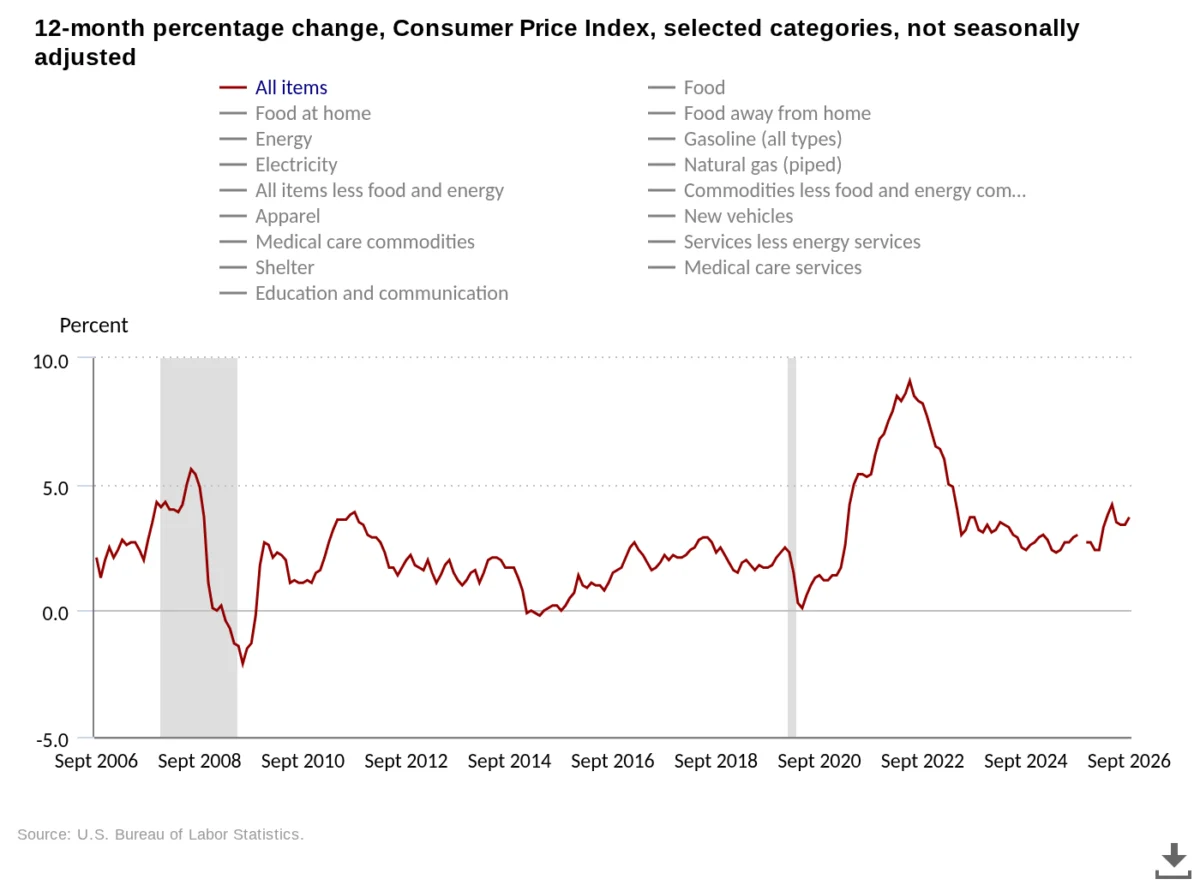
The broader context of the US economy plays a crucial role. Despite lingering concerns about inflation and the potential for interest rate hikes, the underlying economic data has, for the most part, remained robust. Employment figures, consumer spending, and manufacturing output have all contributed to a narrative of economic resilience. This backdrop provides a fertile ground for equity markets to thrive, as companies are generally expected to perform well in a growing economy.

Expert Analysis and Future Outlook
The market’s ability to quickly absorb negative news and focus on positive indicators has been highlighted by financial experts. The ongoing strength of US corporate earnings, a primary driver of stock market performance, appears to be a key factor underpinning the current rally. While geopolitical events can cause short-term fluctuations, the market’s focus on fundamental economic drivers suggests a degree of confidence in the long-term prospects of the US economy.
The interplay between a strengthening stock market and a weakening dollar creates an interesting dynamic. Typically, a strong US economy might lead to both higher stock prices and a stronger dollar, as foreign capital flows into the country seeking investment opportunities. However, the current divergence suggests that other factors may be at play, such as global economic conditions, monetary policy expectations in other major economies, or a strategic shift in investor preferences.

Broader Implications and Investor Strategies
The continued strength of US equity markets and the weakening dollar have significant implications for various stakeholders. For domestic investors, this environment offers opportunities for capital appreciation, albeit with the inherent risks associated with any bull market. For international investors, the weaker dollar may make US assets more appealing, potentially leading to increased foreign investment.
Businesses engaged in international trade will also be closely monitoring these trends. Exporters may benefit from the weaker dollar, making their products more competitive abroad. Importers, however, may face higher costs for goods sourced from overseas.

The current market sentiment suggests a strong preference for growth-oriented assets. Investors are likely to continue favoring sectors that have shown resilience and potential for future growth, even as broader economic uncertainties persist. The ability of the market to digest geopolitical news and focus on corporate performance indicates a mature and perhaps even optimistic outlook among market participants. The coming weeks will be crucial in determining whether this trend continues, especially as new economic data emerges and geopolitical developments unfold. The market’s resilience in the face of potential headwinds will be a key indicator of its underlying strength.