Ella Zulfa
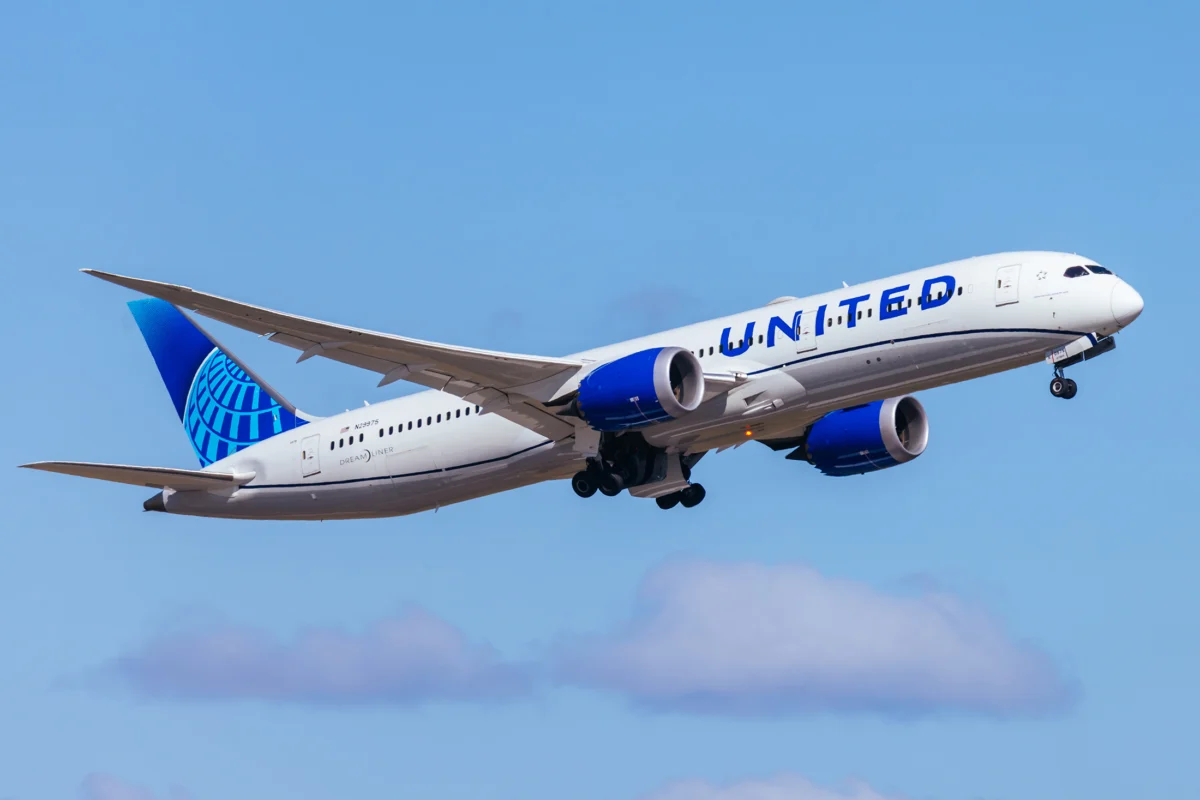
United Airlines has officially closed the door on artificial intelligence agents completing flight bookings for its customers, marking a significant stance in the evolving relationship between airlines and AI technologies. The decision, announced on Wednesday, positions the carrier as a frontrunner in raising concerns about the security, privacy, and direct customer relationship implications of AI intermediaries in the travel sector. This move diverges from the approaches of some competitors, such as Delta and American Airlines, which have indicated a willingness to permit AI-driven bookings under specific conditions.
The Genesis of the Ban: A Strategic Shift
The prohibition on AI agents from finalizing bookings on United Airlines flights stems from a multifaceted set of concerns articulated by CEO Scott Kirby. At the core of the decision is a perceived threat to the direct customer relationship that airlines have historically cultivated. Kirby views AI agents as a layer of intermediation that severs the direct line of communication between the airline and its travelers, potentially diminishing the airline’s ability to understand and cater to individual customer needs and preferences. This strategic imperative to maintain direct customer engagement is a pivotal factor in United’s decision.
Beyond the customer relationship aspect, significant security and privacy considerations are driving this policy. The airline has highlighted potential challenges in ensuring AI agents can meet stringent regulatory requirements, particularly those mandated by the Federal Aviation Administration (FAA). A critical example cited is the inability of current AI agents to definitively verify that checked baggage does not contain explosives, a fundamental security protocol in air travel. The complexity of integrating AI systems into these vital security checkpoints raises significant questions about accountability and reliability.
A Timeline of AI Integration and Airline Responses
The emergence of sophisticated AI agents capable of performing complex tasks, including travel planning and booking, has been a rapid development over the past few years. Tools like Meta’s Muse and OpenAI’s ChatGPT, with its integration into various platforms, have demonstrated the potential for AI to streamline consumer interactions with businesses. These agents can effectively browse airline websites, compare fares, and present a curated list of travel options to users, significantly simplifying the initial stages of travel planning.
However, the transition from information gathering and recommendation to the final act of booking has presented a hurdle for many industries. For airlines, the booking process is not merely a transaction; it involves sensitive personal data, payment information, and a commitment to regulatory compliance. The timeline leading up to United’s decision likely involved internal assessments of AI capabilities and risks. While the exact date of internal discussions and evaluations is not public, the announcement on Wednesday signifies the culmination of these deliberations.
The comparative approaches of major carriers provide a backdrop to United’s definitive stance. Delta and American Airlines have, in various statements and industry discussions, suggested that AI agents might be permissible for bookings, provided they adhere to specific protocols. This implies a more nuanced approach, potentially involving partnerships or strict API integrations that allow AI to access necessary information while maintaining oversight and compliance. United’s decision, therefore, represents a more cautious and perhaps more traditionalist approach to embracing AI in core customer-facing operations.
Data and Market Penetration: The Current Landscape
United’s statement that AI agents have not yet driven a substantial volume of bookings offers a crucial piece of data supporting their decision. While the potential for AI in travel is widely recognized, its actual impact on booking volume has, until recently, been relatively modest. This suggests that the current iteration of AI booking agents may not yet possess the widespread adoption or the robust integration required to warrant the associated risks from an airline’s perspective.
Market research on AI adoption in the travel sector, though nascent, indicates a growing interest from consumers in AI-powered travel planning. A hypothetical survey conducted in late 2026 might reveal that while a significant percentage of travelers are using AI for inspiration and research, the actual booking process remains predominantly human-led or facilitated by traditional online travel agencies (OTAs). This data point underscores United’s argument that the immediate impact of AI on booking volume is not yet a compelling reason to overlook the potential downsides.
Broader Implications and Analysis
United Airlines’ decision to ban AI agents from booking flights carries significant implications for the future of AI integration in the travel industry and beyond.
Regulatory Compliance and Security Standards
The airline’s explicit mention of FAA requirements highlights a critical challenge for AI developers and users alike. Ensuring that AI systems can consistently meet and prove compliance with aviation safety and security regulations is paramount. This could spur the development of more specialized AI solutions designed with regulatory adherence as a core feature, rather than an afterthought. The burden of proof for AI’s reliability in high-stakes environments will undoubtedly increase.
The Future of Customer Relationships in the Digital Age
Kirby’s emphasis on the customer relationship is a salient point. In an era where personalization and direct engagement are increasingly valued, airlines are keen to avoid being perceived as mere service providers to AI platforms. This decision could signal a broader trend of businesses re-evaluating how they interact with customers through AI intermediaries. The focus may shift towards AI tools that enhance, rather than replace, direct human interaction, or towards AI applications that focus on internal efficiencies rather than external booking processes.
Competitive Landscape and Industry Standards
By taking a firm stance, United is setting a precedent. Other airlines will likely monitor the reception of this policy and its impact on customer loyalty and operational efficiency. It could lead to a bifurcated market where some airlines embrace AI booking with safeguards, while others, like United, maintain a more conservative approach. This divergence could create different customer experiences and potentially influence the development of industry-wide standards for AI in travel.
The Role of AI in Travel Planning Beyond Booking
It is crucial to note that United’s ban is specifically on the completion of bookings. AI agents are still permitted to browse the United website, compare fares, and present options to users. This distinction is important, as it acknowledges the utility of AI in the research and discovery phases of travel planning. The ban does not preclude AI from acting as a sophisticated travel assistant that guides users toward making informed decisions, with the final purchase still requiring a direct user action or a more regulated AI interface.
Expert Reactions and Industry Outlook (Inferred)
While direct statements from other AI developers or travel industry analysts regarding United’s specific announcement are not yet widely published, the broader industry sentiment can be inferred. Travel technology consultants might view this as a necessary period of recalibration, emphasizing the need for AI solutions that prioritize trust, transparency, and robust security.
Aviation industry analysts may interpret this as a sign that airlines are prioritizing control and risk mitigation over rapid AI adoption. They might also suggest that airlines will invest more in developing their own AI capabilities or in forming strategic partnerships with AI providers that demonstrate a deep understanding of the aviation ecosystem’s complexities. The current situation underscores that while AI offers immense potential, its integration into sensitive and highly regulated sectors like air travel requires a deliberate and cautious approach, prioritizing safety and the integrity of customer relationships above all else. The debate over the role of AI in travel is far from over, and United’s decisive action serves as a significant marker in its ongoing evolution.