Lina Wu
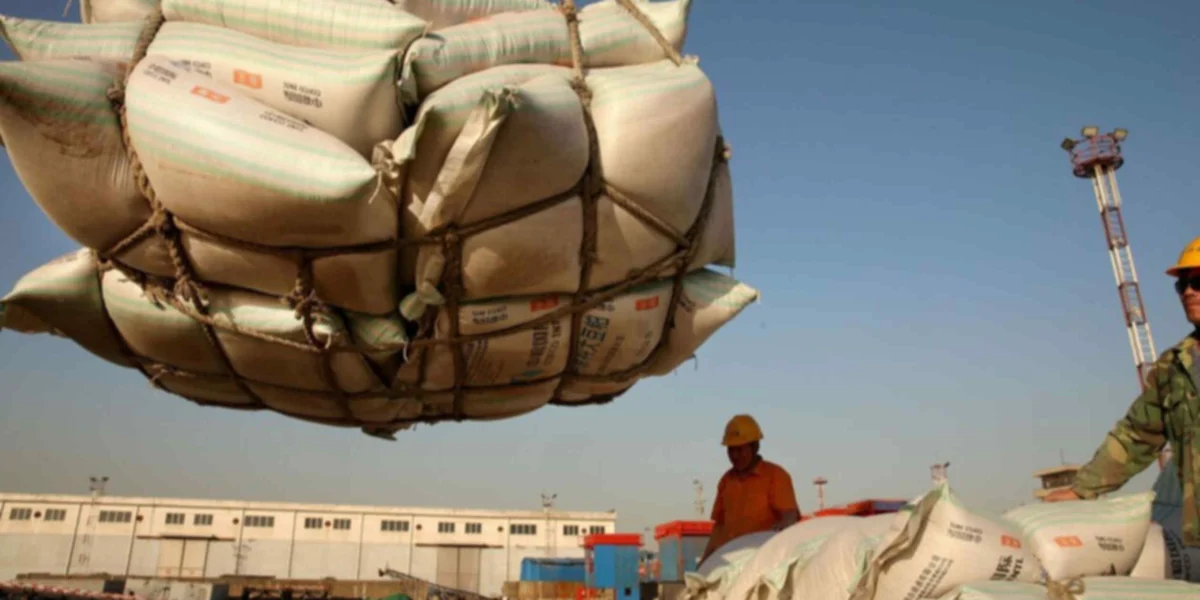
NEW YORK – The United States government on Thursday announced the imposition of new tariffs on goods from a broad spectrum of trading partners, with rates ranging from 10% to 12.5%. This move signals a significant effort by the administration to re-establish and reinforce President Donald Trump’s signature trade policies, which have faced considerable legal challenges and setbacks in recent years. The tariffs, affecting imports from countries including India, Malaysia, Mexico, Bangladesh, and Cambodia at a 10% rate, and imposing a 12.5% levy on Chinese goods, represent a renewed commitment to a protectionist trade stance.
A Strategic Reassertion of Trade Policy
The announcement comes at a critical juncture for the Trump administration’s trade agenda. Following a series of court rulings that curtailed the executive branch’s authority to unilaterally implement certain trade measures, this broad-based tariff imposition appears to be a strategic maneuver to reassert presidential power in shaping international trade relations. Officials have indicated that the new tariffs are designed to address perceived trade imbalances, protect domestic industries, and level the playing field for American businesses.
The specific goods targeted by these tariffs were not immediately detailed, but the inclusion of major manufacturing hubs and significant trading partners suggests a wide-ranging impact. The differentiated rates – 10% for a group of nations and 12.5% specifically for China – indicate a nuanced approach, likely reflecting differing assessments of trade practices and bilateral relationships.
The Genesis of a Trade War and Subsequent Legal Battles
President Trump’s initial trade initiatives, launched early in his first term, were characterized by aggressive actions aimed at renegotiating trade deals and confronting countries he accused of unfair trade practices. The imposition of tariffs on steel and aluminum in 2018, for instance, sparked retaliatory measures from allies and adversaries alike, escalating into a global trade dispute.
These unilateral tariff actions often met stiff resistance in U.S. courts. Legal challenges questioned the executive branch’s authority to impose tariffs based on national security concerns or to retaliate against perceived unfair trade practices without explicit congressional authorization. Several rulings, particularly those stemming from challenges to Section 232 tariffs, weakened the administration’s ability to wield tariffs as a primary tool of foreign policy and economic negotiation.
The current tariff announcement, therefore, suggests that the administration has either found new legal grounds or has developed strategies to navigate these judicial constraints. It is plausible that these new tariffs are grounded in different statutory authorities, or that they are being implemented with greater attention to procedural due diligence to withstand future legal scrutiny. The timing also indicates a deliberate effort to solidify these policies before potential shifts in the political landscape, underscoring the administration’s long-term vision for trade.
Differentiated Tariffs: A Tactical Approach
The tiered tariff structure is particularly noteworthy. The 10% tariff applied to a diverse group of countries – India, Malaysia, Mexico, Bangladesh, and Cambodia – suggests a broad effort to recalibrate trade relationships across multiple fronts. These nations are significant players in global supply chains, often serving as alternative manufacturing bases to China. By imposing tariffs on their goods, the U.S. may be aiming to incentivize reshoring of production or to encourage these countries to adopt more favorable trade terms with the United States.
The 12.5% tariff specifically targeting Chinese goods reflects the ongoing, and often contentious, trade relationship between the world’s two largest economies. This rate, while higher than that applied to the other group of nations, is still within the range previously seen in U.S.-China trade disputes. It signals a continued commitment to addressing the trade deficit with China and addressing long-standing concerns about intellectual property theft, forced technology transfer, and state subsidies.
Economic Context and Supporting Data
The U.S. trade deficit has been a persistent concern for the Trump administration. In 2023, the U.S. trade deficit in goods and services reached approximately $773 billion, with China accounting for a significant portion of the deficit in goods. Data from the Bureau of Economic Analysis shows that imports from China alone amounted to hundreds of billions of dollars annually in recent years.
The tariffs are intended to curb imports and encourage domestic production. By making imported goods more expensive, the administration hopes to increase the competitiveness of American-made products. This strategy is often referred to as protectionism and aims to safeguard domestic industries, such as manufacturing and agriculture, from foreign competition.
For example, in the steel and aluminum sectors, where tariffs were previously imposed, there were some indications of increased domestic production. However, these measures also led to increased costs for downstream industries that rely on these raw materials, such as the automotive and construction sectors. The current broad-based tariffs are likely to have similar, multifaceted economic impacts.
Potential Reactions from Trading Partners
The imposition of tariffs is almost certain to elicit responses from the affected countries. Historically, such measures have often led to retaliatory tariffs, disrupting global supply chains and potentially harming U.S. exporters.
- China: Beijing is expected to respond with its own set of retaliatory tariffs, further escalating trade tensions. This could impact American agricultural products, technology exports, and other key sectors.
- India, Malaysia, Mexico, Bangladesh, Cambodia: These nations may lodge formal complaints with the World Trade Organization (WTO) or explore bilateral negotiations to mitigate the impact of the U.S. tariffs. Some may also consider retaliatory measures against U.S. exports.
- Allies: While some allies may be spared from the immediate tariff impositions, they are likely to express concerns about the broader implications for global trade stability and the potential for the U.S. to adopt more protectionist policies across the board.
The business communities in both the U.S. and the affected countries will be closely monitoring these developments. Industry groups representing manufacturers, importers, and exporters are likely to voice their concerns about increased costs, reduced market access, and supply chain disruptions.
Broader Implications and Analysis
The reassertion of tariffs by the U.S. carries significant implications for the global economic order. It signals a potential shift away from multilateral trade agreements and a greater reliance on bilateral negotiations and unilateral actions. This approach can create uncertainty for international businesses and investors, potentially slowing down global economic growth.
Supply Chain Realignment: The tariffs could accelerate the ongoing trend of supply chain diversification. Companies that have relied heavily on single-country sourcing, particularly from China, may expedite efforts to move production to other regions or to bring it back to the United States. This could benefit countries like Vietnam, Indonesia, and other emerging manufacturing hubs.
Inflationary Pressures: Increased tariffs on imported goods can lead to higher prices for consumers and businesses in the U.S. This could contribute to inflationary pressures, particularly if the tariffs are broad and sustained. The pass-through of costs from importers to consumers is a key factor to watch.
Geopolitical Ramifications: Trade disputes often have geopolitical undertones. The U.S. tariff actions could strain relationships with some allies while potentially strengthening ties with others who are seen as aligning with U.S. trade objectives. The broader impact on international alliances and the balance of global power remains to be seen.
WTO’s Role: The World Trade Organization’s ability to effectively address these unilateral tariff impositions will be tested. If the U.S. continues to bypass WTO dispute settlement mechanisms, it could further weaken the organization’s authority and the rules-based international trading system.
The administration’s strategy appears to be one of calculated pressure, aiming to achieve concessions from trading partners through economic leverage. However, the effectiveness of this strategy will depend on a complex interplay of domestic economic conditions, the responses of other nations, and the ability of the U.S. to withstand potential economic fallout and retaliatory measures. The coming months will be crucial in determining the long-term impact of these renewed tariff policies on both the U.S. economy and the global trade landscape.